
What a 3D Printer Does: Core Functions for Hardware & Plastic Mold Fast Sampling
Author: SZTC
2026-03-23


Samuel Song Your service representative
Specializing in zinc-aluminum-magnesium alloy die-casting processing, CNC milling, CNC turning, 3D printing, injection molding and sheet metal processing. Manufacturing services.
-----------------------------------------------------------------------------------------------------------------------------------------------------------------------------------------------------------------------------------------------------------------------------------------------------------------------------------------------
In the hardware processing and plastic mold industries, slow, costly traditional prototyping has long been a major bottleneck for product development and client delivery. Whether you need a custom metal hardware bracket, a precision mold insert, or a trial mold cavity, waiting days or weeks for a single sample can derail entire project timelines. To understand how this technology solves these pain points, the first question to answer is: what a 3D printer does—and more specifically, what it does to streamline fast sampling for these two critical manufacturing sectors.
A 3D printer is not just a standard piece of machinery; it is a specialized rapid prototyping tool built to eliminate the flaws of conventional manufacturing. Below, we break down the core functions of a 3D printer, its industry-specific roles for hardware and plastic molds, and how its daily operations directly enable fast, high-precision sample production.
1. The Basic Answer: What a 3D Printer Does at Its Core
1.1 Core Operational Function of a 3D Printer
At its most fundamental level, what a 3D printer does is perform additive manufacturing—it transforms digital 3D CAD models into solid, physical three-dimensional objects by building them layer by layer, rather than cutting or removing material from a solid block. This is the complete opposite of the subtractive manufacturing methods used in traditional CNC machining, metal cutting, and mold steel processing, which waste material and require extensive tooling setup.
A 3D printer reads a digital design file, slices it into thousands of ultra-thin horizontal layers, and then deposits, cures, or fuses raw materials one layer at a time to form the finished part. It operates automatically once programmed, requiring minimal manual intervention, and can produce complex, custom parts without the need for dedicated jigs, fixtures, or pre-made production molds—this is the foundational function that makes it indispensable for industrial fast sampling.
1.2 Key Core Tasks a 3D Printer Performs
Beyond basic layer-by-layer fabrication, what a 3D printer does encompasses a set of targeted tasks that make it ideal for hardware and plastic mold applications, all focused on speed, precision, and flexibility:
-
Digital-to-Physical Conversion: Directly translates computerized design files into tangible parts, bridging the gap between virtual design and real-world testing.
-
Tooling-Free Production: Manufactures prototypes and small-batch parts without custom tooling, cutting out weeks of setup time and upfront costs.
-
Complex Geometry Fabrication: Creates intricate, hollow, or undercut structures that traditional machining cannot easily produce, perfect for detailed mold cavities and custom hardware components.
-
On-Demand Rapid Production: Produces parts on a just-in-time basis, allowing for instant reprints and design iterations without additional setup delays.
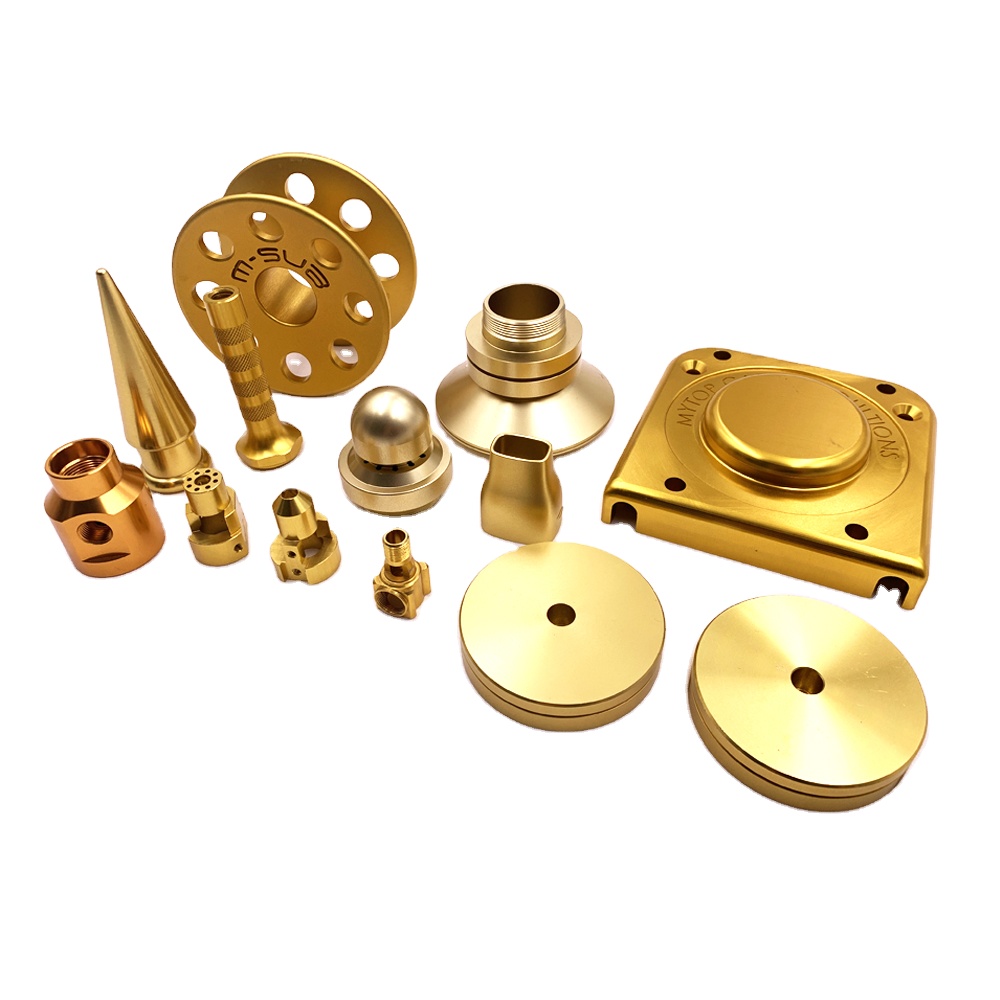
2. What a 3D Printer Does Specifically for Hardware & Plastic Mold Industries
While a 3D printer has broad manufacturing uses, its functions are uniquely tailored to solve the fast sampling challenges of hardware processing and plastic mold manufacturing. What a 3D printer does for these industries goes beyond general prototyping—it addresses their specific pain points, accelerates workflows, and reduces costly risks.
2.1 What a 3D Printer Does for Hardware Processing
For hardware processing teams that rely on durable metal parts like brackets, fasteners, gears, and custom industrial components, what a 3D printer does is revolutionize metal prototyping. Traditional hardware prototyping requires CNC machining solid metal blocks, a process that takes days to program, set up, and execute, with any design tweak requiring a full restart.
A 3D printer equipped for metal additive manufacturing melts and fuses metal powders (stainless steel, aluminum, tool steel) layer by layer to produce fully functional metal prototypes in hours. It eliminates the need for costly tool changes and long machining times, allowing engineers to test part fit, dimensional accuracy, and durability quickly. It also handles custom, complex hardware designs that are difficult to machine traditionally, making it a core tool for fast, flexible hardware sample production.
2.2 What a 3D Printer Does for Plastic Mold Manufacturing
Plastic mold makers face even higher stakes with traditional prototyping, as a single steel production mold can take weeks to make and cost thousands of dollars, with design flaws leading to costly rework.What a 3D printer does for this industry is provide a low-risk, fast alternative for trial molds and cavity samples.
Using high-temperature resistant resin or engineering plastics, a 3D printer prints precision mold inserts, core cavities, and full trial molds in a single day. These printed molds can withstand preliminary injection molding testing, allowing designers to verify draft angles, part release, and cooling efficiency before investing in steel molds. It cuts sample lead times from weeks to days, eliminates rework costs, and lets mold teams deliver client samples quickly—directly solving the biggest bottlenecks in mold development.
2.3 Unified Industry Function: Enabling Fast Sampling & Quick Iteration
Across both industries, the most vital thing what a 3D printer does is enable rapid, low-cost sample iteration. It lets teams adjust a digital design, reprint a corrected sample in hours, and test multiple versions in a single week—something impossible with traditional machining or mold making. This function speeds up design verification, client approvals, and product launches, giving manufacturers a competitive edge in fast-paced markets.

3. What a 3D Printer Does in Daily Industrial Workflow
To fully grasp what a 3D printer does in practical terms, it helps to outline its step-by-step role in the daily fast sampling workflow of hardware and plastic mold factories. This real-world operation highlights its efficiency and ease of integration into existing processes.
3.1 Step 1: Receive & Process Digital Design Files
First, a 3D printer imports and processes the 3D CAD file provided by design teams—either a hardware part drawing or a mold cavity design. Its internal software automatically slices the model into printable layers and sets optimized parameters (layer thickness, material flow, printing speed) tailored to industrial precision and speed requirements.
3.2 Step 2: Automatic Layer-by-Layer Printing
Once set up, the 3D printer runs autonomously to build the part. For plastic mold samples, it cures resin or extrudes plastic filament; for metal hardware parts, it fuses metal powder with a high-power laser. It runs continuously without constant supervision, freeing up staff for other tasks and ensuring consistent, precise fabrication.
3.3 Step 3: Support for Post-Processing Readiness
After printing, what a 3D printer does is produce a near-finished part that requires only minimal post-processing—removing thin support structures, light sanding, or basic heat treatment for metal parts. Unlike traditionally machined parts, it doesn’t need extensive grinding or finishing, so samples are ready for testing in just 1-2 hours after printing.
Final Recap: To sum up what a 3D printer does for hardware processing and plastic mold industries: it is an automated additive manufacturing tool that converts digital designs into physical, high-precision parts quickly, without traditional tooling, and enables fast, low-risk prototyping. It eliminates the delays and costs of conventional manufacturing, making same-day and next-day sample production a standard reality—an irreplaceable function for any manufacturing team focused on speed and efficiency.
What Are 3D Printers Used For? Fast Sampling & More for Hardware & Plastic Mold Industries
How Can I Get Something 3D Printed? A Full Guide for Hardware & Plastic Mold Fast Sampling
Related Article

Fast sampling is the fastest way to win business in the hardware machining and plastic mold industries. Customers want a working sample in days, and a 3D printer delivers it, but only when you know how to print in 3d correctly.
how to print in 3d

Fast sampling is the fastest way to win business in the hardware machining and plastic mold industries. Customers often send an STL file and expect a working sample in days.
how to print an stl file

