
What Are 3D Printers Good for in Mold and Hardware Manufacturing
Author: SZTC
2026-08-06


Samuel Song Your service representative
Specializing in zinc-aluminum-magnesium alloy die-casting processing, CNC milling, CNC turning, 3D printing, injection molding and sheet metal processing. Manufacturing services.
-----------------------------------------------------------------------------------------------------------------------------------------------------------------------------------------------------------------------------------------------------------------------------------------------------------------------------------------------
With the rapid upgrade of industrial rapid prototyping, more mold and hardware factories adopt additive manufacturing. Many manufacturers wonder what are 3D printers good for and how to maximize their value in daily workshop production. For plastic mold and hardware processing industries, 3D printers serve as efficient, low-cost and flexible tools for rapid sampling and product iteration.
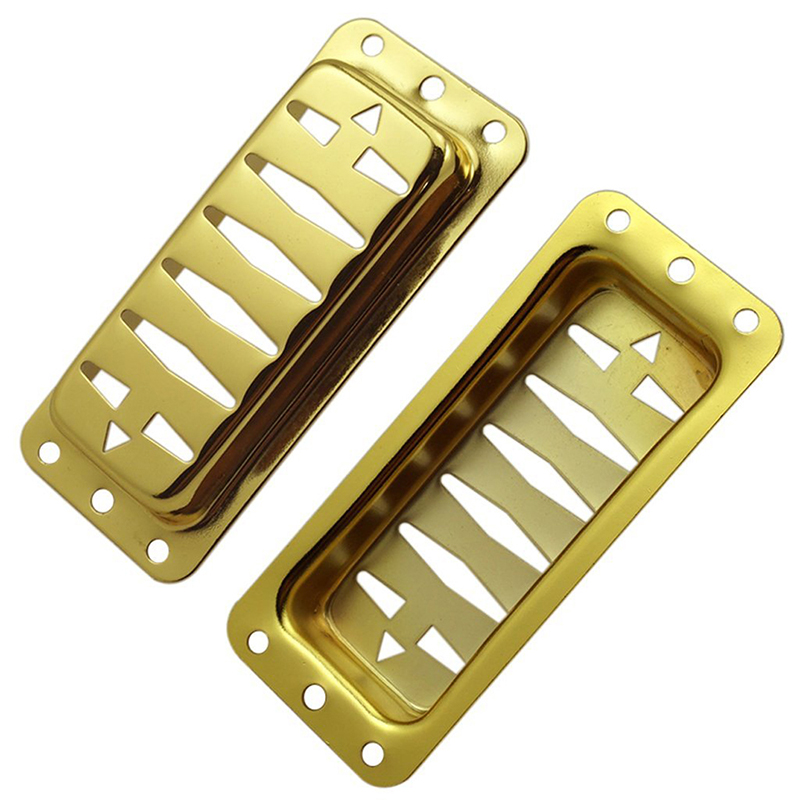
1. Fast Rapid Sampling and Design Verification
The most prominent advantage when answering what are 3D printers good for is efficient prototype verification.
1.1 Plastic Mold Structure Testing
3D printers quickly produce high-precision mold cavity prototypes, thin-wall structures and intricate groove samples. Manufacturers can visually check structural flaws, unreasonable dimensions and assembly interference before formal mold opening, avoiding costly mold modifications.
1.2 Custom Hardware Prototype Making
They excel at manufacturing non-standard hardware prototypes and special-shaped mechanical parts. Unlike rigid traditional machining, 3D printing supports free structural customization to meet personalized trial production demands of hardware processing projects.
2.1 Jig and Fixture Fabrication
Factories can print custom positioning jigs, assembly fixtures and detection tools. These tailor-made auxiliary parts improve processing accuracy and assembly efficiency for mass hardware production and mold testing procedures.
2.2 Small-Batch Trial Production
For new product promotion and functional testing, 3D printers support small-batch low-volume production. It eliminates the need for early-stage mold investment, perfectly fitting trial orders of customized mold accessories and precision hardware parts.

3.1 Lower Production Costs
Sample production time is shortened from days to hours. Designers can modify models and print new samples repeatedly, accelerating R&D iteration and helping enterprises seize market opportunities faster.
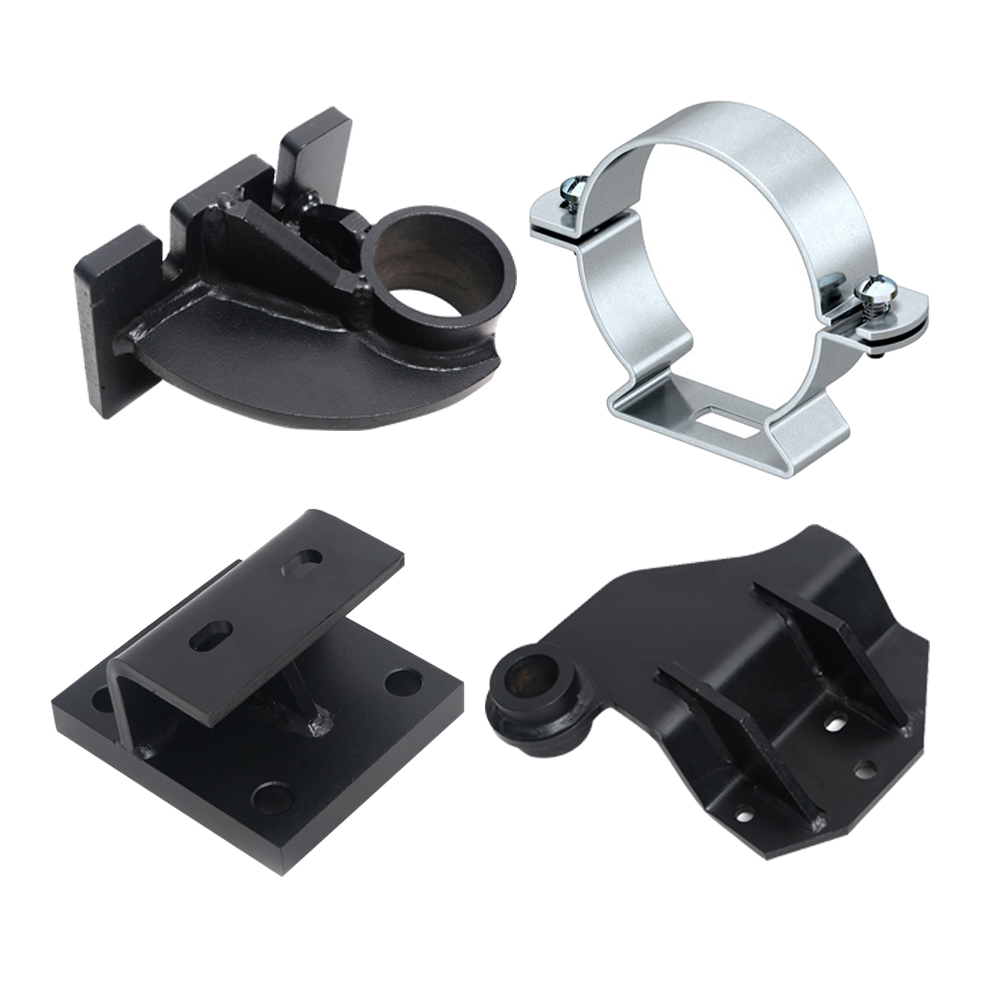
3.2 Shorten Product Iteration Cycles
Sample production time is shortened from days to hours. Designers can modify models and print new samples repeatedly, accelerating R&D iteration and helping enterprises seize market opportunities faster.
In conclusion, the best answer to what are 3D printers good for covers rapid sampling, custom tooling manufacturing and cost-effective R&D iteration. It has become an indispensable core device for modern plastic mold and hardware processing workshops.
What Can 3D Printers Do for Mold and Hardware Rapid Sampling
What Are 3D Printing Technologies for Mold and Hardware Sampling
Related Article

Machine parts are essential crafting materials in Fortnite: Save the World. They are used to craft weapons and traps, so running short can slow down mission progress.
what is the meaning of machining?
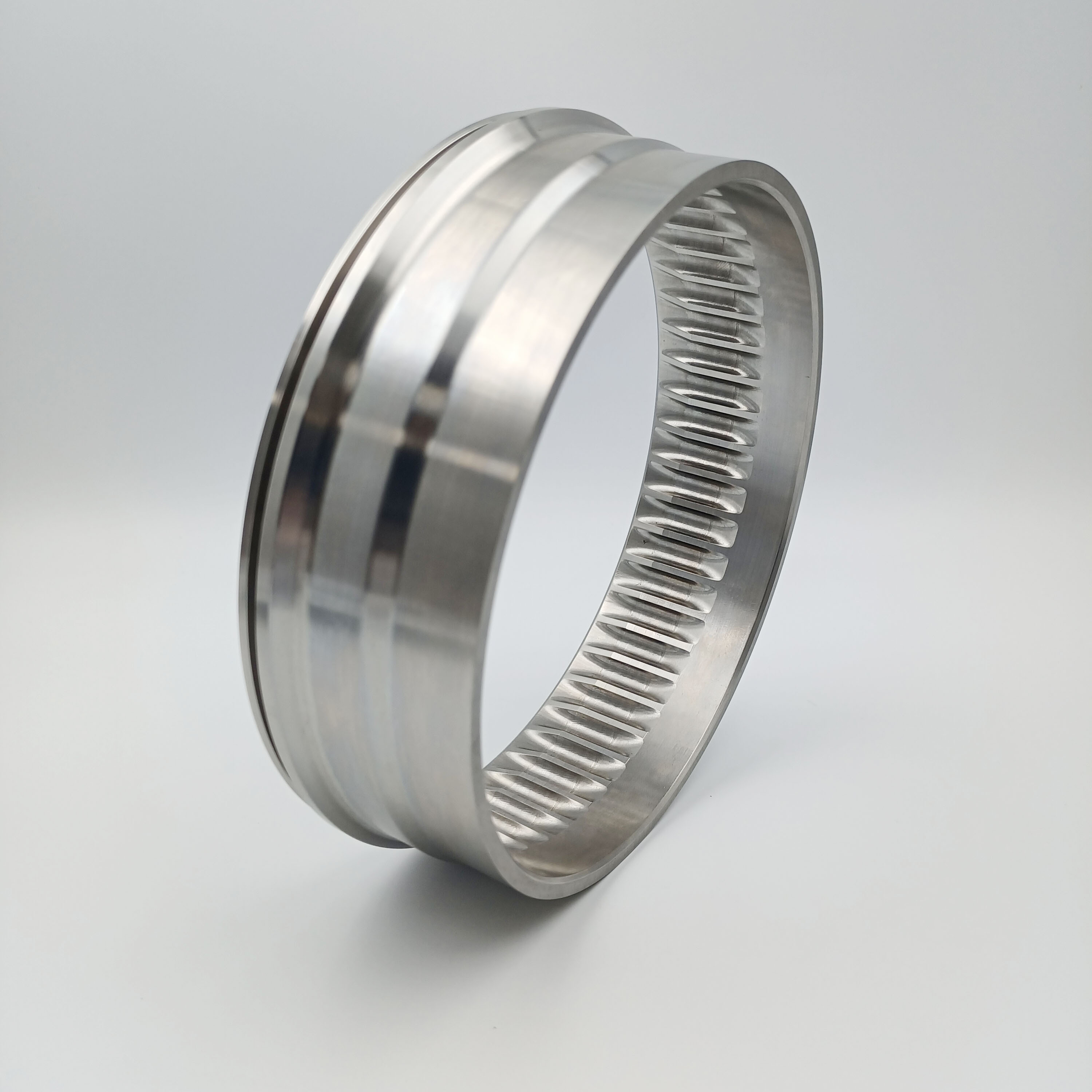
In hardware machining and plastic mold manufacturing, machines use rotating, cutting, pressing, and moving components to shape materials. These parts can create serious hazards if workers come into contact with them during operation.
what is machining?
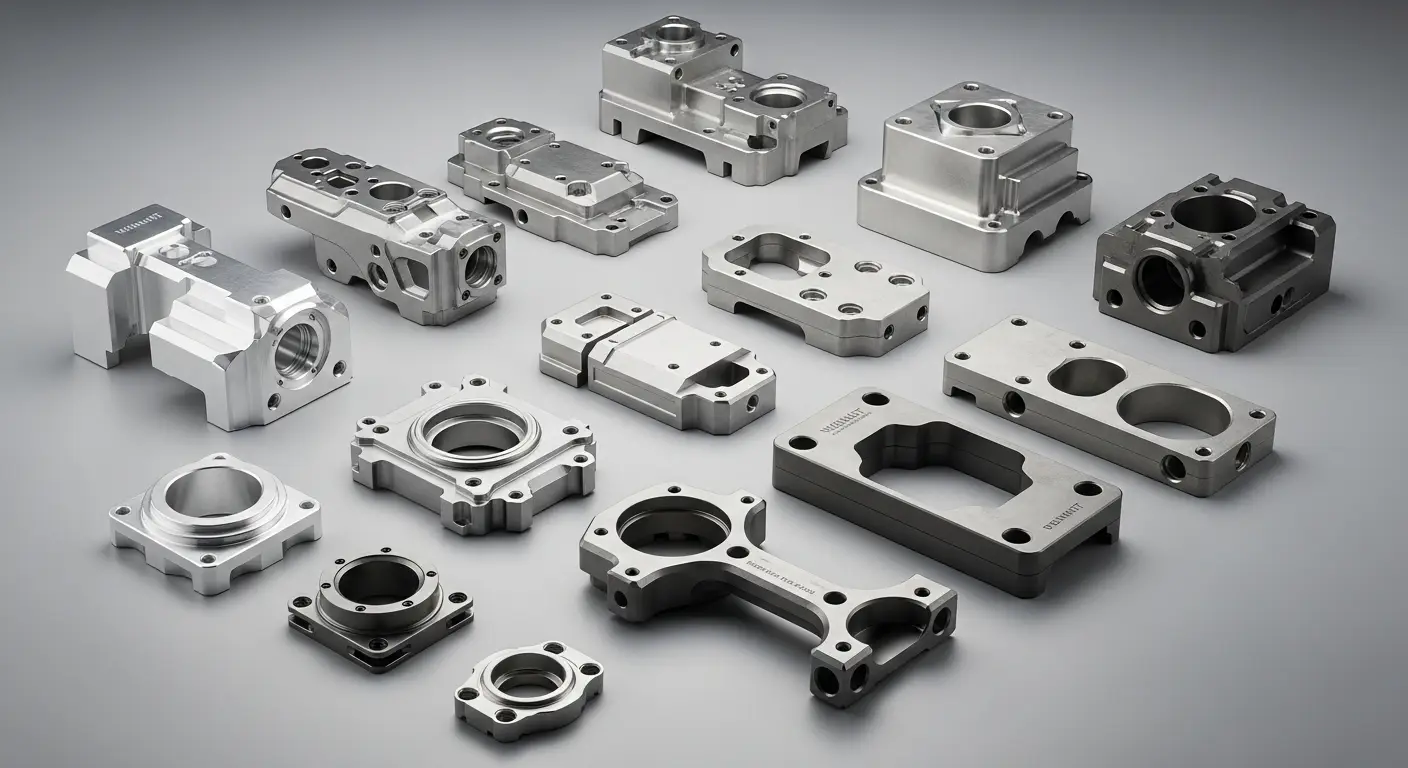
Machine parts are essential crafting materials in Fortnite: Save the World. They are used to craft weapons and traps, so running short can slow down mission progress.
how to collect machine parts in save the world?
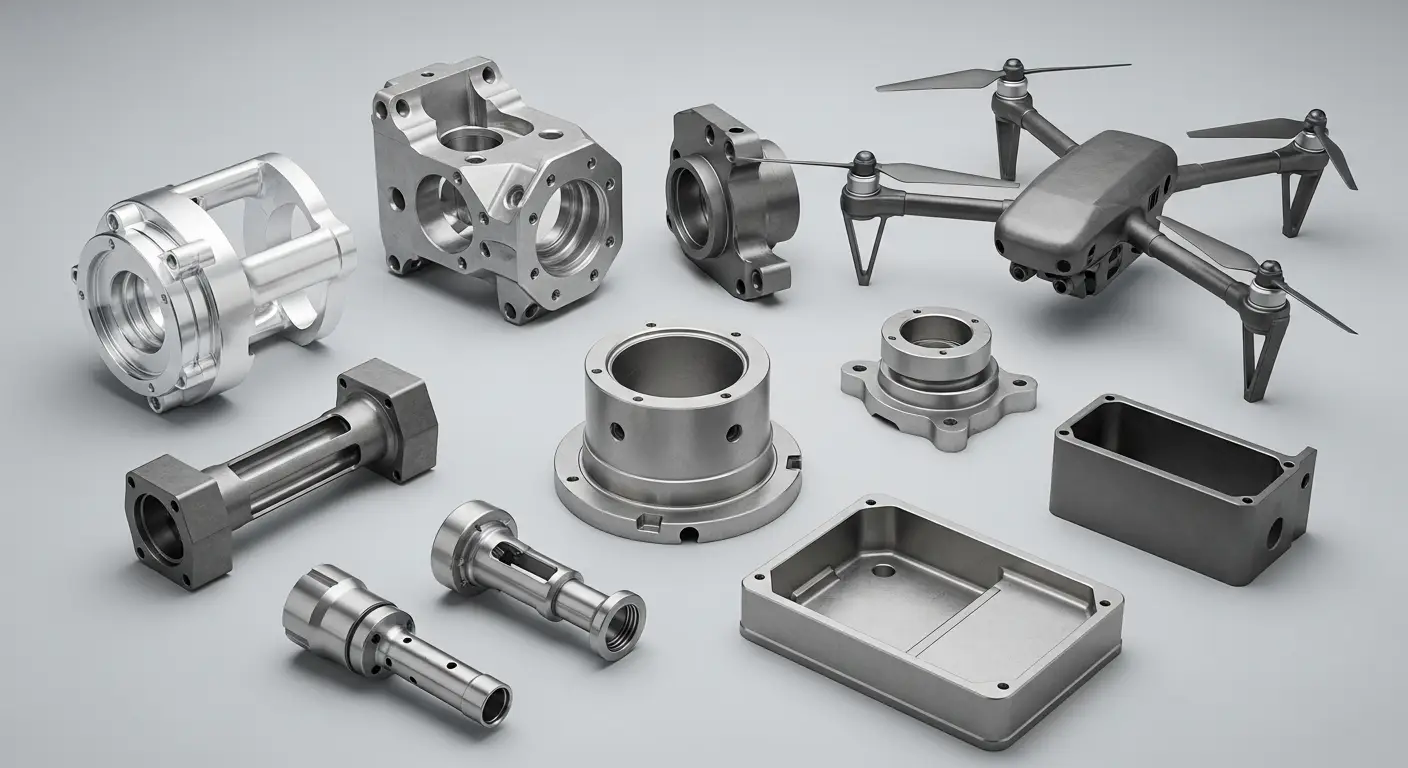
In hardware machining and plastic mold manufacturing, machines use rotating, cutting, pressing, and moving components to shape materials. These parts can create serious hazards if workers come into contact with them during operation.
which of the following machine parts always require guards?