
Specific Magnesium Alloy Grades for Camera Thermal Imaging Housing
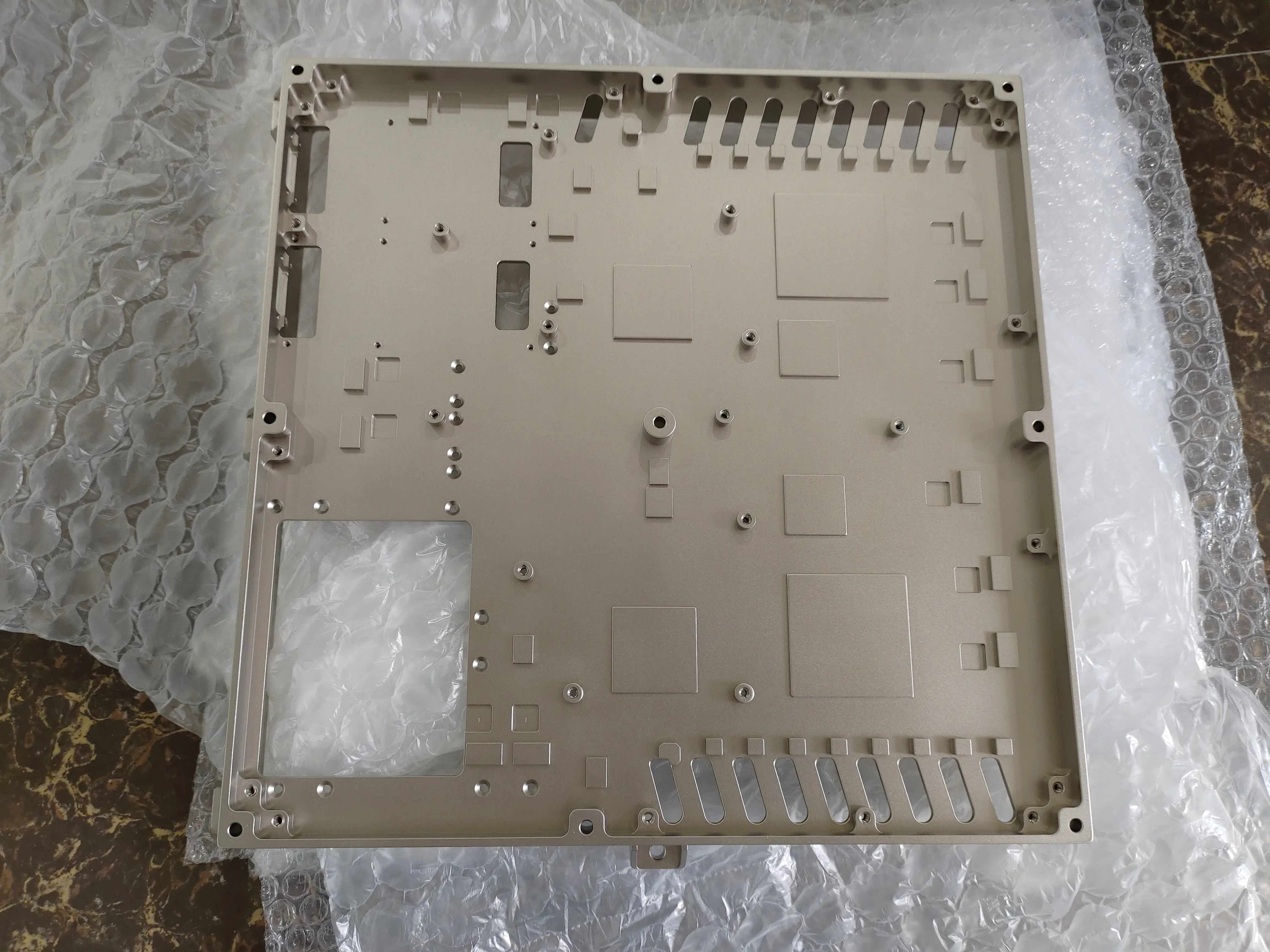
Magnesium alloys are known for their exceptional light weight, high strength-to-weight ratio, and suitability for applications in industries that prioritize energy efficiency, such as automotive, aerospace, electronics, and manufacturing. Among various manufacturing techniques, die-casting has emerged as the preferred method for producing magnesium alloy components due to its ability to produce complex, high-precision parts in large volumes at lower costs. However, traditional magnesium alloy die-casting techniques face challenges such as porosity, shrinkage, and low productivity, which can hinder the widespread use of magnesium die-cast parts in demanding applications.
When it comes to thermal imaging cameras, magnesium alloy housings are often used because they provide both light weight and high durability, essential for sensitive electronic devices. Below are the specific grades of magnesium alloys commonly used for producing thermal imaging camera housings, each offering different properties like strength, corrosion resistance, and workability.
1. AZ91D
- Composition: Magnesium (Mg) + 9% Aluminum (Al) + 1% Zinc (Zn).
- Properties: AZ91D is one of the most commonly used magnesium-aluminum-zinc alloys. It offers good overall mechanical properties and high strength, making it suitable for die-casting. AZ91D also exhibits good corrosion resistance and relatively low density, making it a great option for applications requiring lightweight materials.
- Applications: It is widely used in the production of thermal imaging camera housings, camera housings, automotive parts, and other lightweight structural components.
2. AM60B
- Composition: Magnesium (Mg) + 6% Aluminum (Al) + 0.3% Manganese (Mn).
- Properties: AM60B alloy is known for its excellent ductility and high impact strength, especially at low temperatures. Its good processing performance makes it easier to machine and form into complex shapes.
- Applications: This alloy is ideal for magnesium alloy housings in thermal imaging cameras where impact resistance and toughness are important, especially under colder operating conditions.
3. Elektron 21 (or WE43)
- Composition: Magnesium (Mg) + 4% Aluminum (Al) + 3% Rare Earth Elements (such as Yttrium, Neodymium, etc.).
- Properties: Elektron 21 is a magnesium alloy designed for high-temperature and high-strength environments. It contains rare-earth elements, which significantly enhance its corrosion resistance and mechanical properties at elevated temperatures.
- Applications: This alloy is suitable for high-performance thermal imaging camera housings that require high strength, excellent corrosion resistance, and durability in extreme operating environments.
4. ZK60A
- Composition: Magnesium (Mg) + 6% Zinc (Zn).
- Properties: ZK60A is known for its high strength, good corrosion resistance, and excellent weldability. It is also highly suited for precision casting, offering superior machinability.
- Applications: This alloy is suitable for use in demanding thermal imaging applications where high-strength components are required. It is also used for complex components where precise dimensional accuracy is crucial.
5. AZ31B
- Composition: Magnesium (Mg) + 3% Aluminum (Al) + 1% Zinc (Zn).
- Properties: AZ31B offers good overall properties for magnesium alloys, including good formability, high strength-to-weight ratio, and corrosion resistance. It has a relatively low aluminum content, which gives it better plasticity during forming processes.
- Applications: Ideal for thermal imaging camera housings and other electronic devices where both strength and lightweight characteristics are needed.
6. MG-RE
- Composition: Magnesium (Mg) + Rare Earth Elements.
- Properties: MG-RE alloys are known for their excellent high-temperature performance, corrosion resistance, and good mechanical strength at elevated temperatures. The rare-earth elements enhance the alloy’s strength and resistance to thermal degradation.
- Applications: This alloy is mainly used in aerospace and high-end thermal imaging applications that require superior performance under extreme thermal conditions.
7. AZ92A
- Composition: Magnesium (Mg) + 9% Aluminum (Al) + 2% Zinc (Zn).
- Properties: AZ92A is a high-strength, high-performance alloy with excellent corrosion resistance. It is particularly well-suited for casting large, complex shapes with precision.
- Applications: Used in thermal imaging camera housings where both high strength and corrosion resistance are critical, especially in harsh environments.
8. M1 (or WE54)
- Composition: Magnesium (Mg) + 4% Rare Earth Elements (such as Yttrium, Neodymium, etc.).
- Properties: M1 alloy is a high-strength magnesium alloy with outstanding high-temperature resistance and excellent corrosion resistance, making it ideal for extreme conditions.
- Applications: M1 is used in high-end thermal imaging camera housings and applications where extreme high-temperature performance and long-term durability are critical.
Conclusion
For thermal imaging camera housings, the most commonly used magnesium alloys are AZ91D and AM60B, as they provide an excellent balance of light weight, strength, and corrosion resistance. These alloys are ideal for producing high-performance, durable, and lightweight enclosures for sensitive devices such as thermal imaging cameras. For more advanced or high-temperature applications, alloys such as Elektron 21 and ZK60A are ideal due to their enhanced mechanical properties and resistance to thermal degradation.
Selecting the appropriate magnesium alloy for a thermal imaging camera housing depends on various factors such as the strength, corrosion resistance, and workability required for the specific use case. By choosing the right magnesium alloy grade, manufacturers can ensure the longevity and performance of the thermal imaging devices under challenging operating conditions.
which rivet is used for riveting magnesium alloy structures
Innovative Developments in Magnesium Alloy Die-Casting Technology
Related Article



