
Is Gold Plated Brass Hypoallergenic? The Truth for Sensitive Skin
Author: SZTC
2025-12-11
If you have sensitive skin, shopping for jewelry can feel like navigating a minefield. You spot a stunning necklace or a dainty bracelet—gold-plated brass, the tag says—and your heart skips a beat. But then the doubt creeps in: Will this irritate my skin? The question of “is gold plated brass hypoallergenic” is one that plagues many jewelry lovers with sensitivities. Gold’s reputation for being gentle and brass’s affordability make this combination tempting, but the answer isn’t a simple yes or no. Let’s break down what gold plated brass is, why it might (or might not) cause reactions, and how to wear it safely if you have sensitive skin.
1. First, What Is Gold Plated Brass?
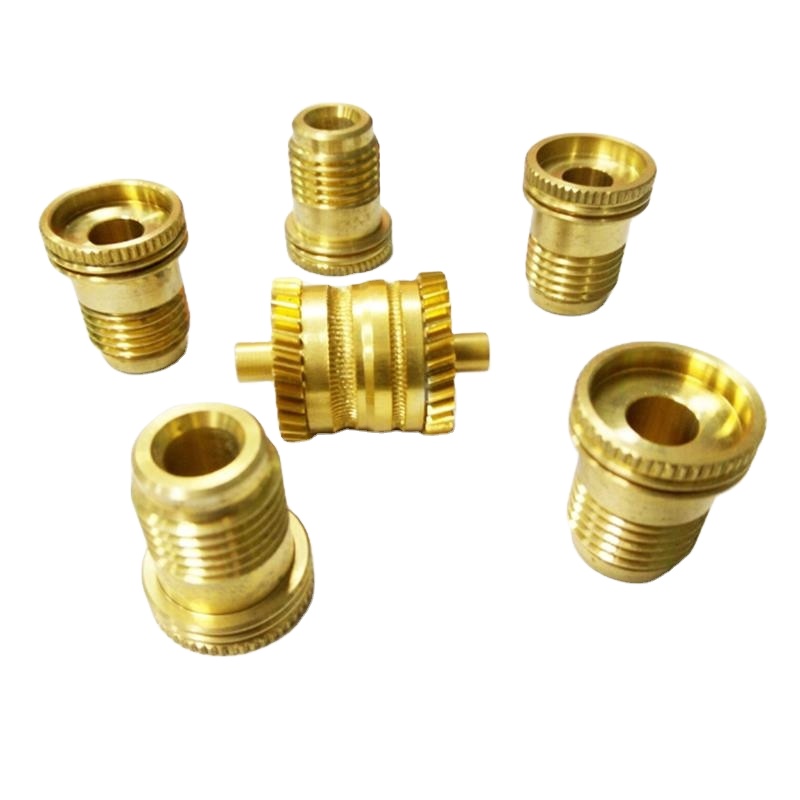
To understand its hypoallergenic properties, we first need to clarify what gold plated brass actually is. It’s a two-part material: the base is brass, an alloy primarily made of copper and zinc, and the top layer is a thin coating of gold applied via electroplating. This process bonds the gold to the brass surface, giving the jewelry the warm, luxurious appearance of gold at a fraction of the cost of solid gold or gold filled pieces.
Brass is a popular base metal for jewelry because it’s durable, malleable (easy to shape into intricate designs), and has a natural tone that complements gold plating. The gold layer, meanwhile, adds aesthetic appeal and is often marketed as a protective barrier against the base metal. But here’s the catch: the gold plating on brass is typically very thin—often just a few microns thick. This thinness is key to understanding why gold plated brass’s hypoallergenic status is so nuanced.

2. The Big Question: Is Gold Plated Brass Hypoallergenic?
Let’s cut to the chase: Gold plated brass is not inherently hypoallergenic. For a material to be hypoallergenic, it must be unlikely to cause an allergic reaction. While pure gold (24k) is hypoallergenic, the gold used in plating is often alloyed with other metals (like nickel, silver, or copper) to improve its durability—and those alloys can be problematic. More importantly, the brass base itself is a common trigger for sensitive skin, and the thin gold layer may not always provide a reliable shield.
That said, some people with mild sensitivities can wear gold plated brass without issue—especially if the plating is high-quality and intact. The difference lies in two factors: the composition of the gold plating and the condition of the plating over time. Let’s break these down further.
2.1 The Role of Gold Plating Composition
Not all gold plating is created equal. The karatage and alloy of the gold used can impact its hypoallergenic potential. 18k or 24k gold plating is purer, meaning it contains fewer additional metals that could cause irritation. However, these purer golds are softer, so they’re less commonly used for plating (since the layer needs to withstand daily wear). Most gold plated brass uses 14k or 10k gold, which contains more alloy metals.
The biggest red flag here is nickel. Nickel is one of the most common causes of jewelry allergies, affecting up to 17% of adults. If the gold plating alloy includes nickel, even a small amount can leach through and trigger a reaction—redness, itching, swelling, or a rash—for those who are sensitive. Reputable brands may label their gold plated brass as “nickel-free,” which significantly reduces the risk, but this isn’t a universal standard.
2.2 The Problem with Worn or Damaged Plating
Even if the gold plating is nickel-free, the brass base is still a concern. Brass contains copper, which is another common allergen. When the gold plating is new and intact, it acts as a barrier between your skin and the brass. But over time, the thin plating can wear off due to friction (from clothing, other jewelry, or frequent touching), exposure to moisture (sweat, water), or chemicals (perfume, lotion, sunscreen).
Once the plating chips, scratches, or fades, the brass underneath is exposed. Direct contact with brass can cause a reaction in people allergic to copper or zinc. This is why a gold plated brass piece that felt fine initially might start irritating your skin after a few weeks or months of wear—it’s not the gold that’s the issue, but the exposed base metal.

3. Why Do People with Sensitive Skin React to Gold Plated Brass?
Allergic reactions to gold plated brass are almost always caused by one of three culprits: nickel in the gold plating, copper in the brass base, or a combination of both. Let’s take a closer look at these triggers.
3.1 Nickel Allergy: The Most Common Culprit
Nickel is added to gold plating to make it harder and more resistant to wear, but it’s a major allergen. When nickel comes into contact with skin, it can trigger a delayed hypersensitivity reaction. Symptoms usually appear 12–48 hours after contact and include red, itchy patches, blisters, or dry, scaly skin. If you’ve ever had a reaction to cheap earrings or belt buckles, nickel is likely the cause—and gold plated brass may contain it unless explicitly stated otherwise.
3.2 Copper Allergy: A Hidden Trigger
Copper is a key component of brass, and while it’s less commonly allergenic than nickel, it can still cause reactions in some people. Copper allergies often present as a greenish discoloration of the skin (a harmless but unsightly reaction to copper salts) or, in more severe cases, itching and inflammation. This is especially common when the skin is moist (like from sweat), as moisture accelerates the oxidation of copper and increases contact with the skin.
3.3 Chemical Interactions
Even if you’re not severely allergic to nickel or copper, chemicals on your skin can worsen irritation. Perfumes, lotions, hairsprays, and even sweat can break down the gold plating faster, exposing the brass. Additionally, these chemicals can react with the metals in the jewelry, creating compounds that are more likely to cause a reaction than the metals themselves.
4. Tips for Wearing Gold Plated Brass If You Have Sensitive Skin
Does this mean you have to avoid gold plated brass entirely if you have sensitive skin? Not necessarily. With the right precautions and choices, you can enjoy these affordable pieces without irritation. Here’s how:
4.1 Choose Nickel-Free, High-Quality Plating
Always look for gold plated brass labeled “nickel-free” or “hypoallergenic” (though “hypoallergenic” isn’t regulated, so nickel-free is a more reliable label). Opt for pieces with thicker plating (look for terms like “heavy gold plated,” which means the layer is thicker than standard) — the thicker the plating, the longer it will stay intact and protect your skin.
4.2 Prep Your Skin Before Wearing
Apply a thin layer of clear nail polish to the parts of the jewelry that touch your skin. This creates an extra barrier between the metal and your skin. Make sure your skin is clean and dry before putting on the jewelry—avoid wearing it right after applying lotion or perfume. Wait for any products to fully absorb first.
4.3 Take Care of the Jewelry
Extend the life of the plating by removing gold plated brass before swimming, showering, or exercising (sweat and water are enemies of plating). Clean it gently with a soft cloth after wearing to remove oils and dirt—avoid harsh cleaners or scrub brushes, which can scratch the plating. Store it in a dry, airtight container to prevent tarnishing.
4.4 Limit Wear Time
Don’t wear gold plated brass 24/7. Give your skin a break by removing it at night. This reduces prolonged contact with the metal and allows your skin to breathe, lowering the risk of irritation.
Final Thoughts: Make Informed Choices for Your Skin
To circle back to the original question—is gold plated brass hypoallergenic?—the answer is that it depends on the piece and your skin. It’s not a safe bet for those with severe nickel or copper allergies, but with nickel-free, thick plating and proper care, it can work for people with mild sensitivities.
The key is to read labels carefully, invest in higher-quality pieces, and listen to your skin. If a piece starts to irritate you, stop wearing it immediately—don’t wait for the reaction to get worse. At the end of the day, jewelry should make you feel confident, not uncomfortable. With these tips, you can enjoy the beauty of gold plated brass without sacrificing the health of your skin.
Is Gold Plated Flatware Worth Anything? Unveiling the Truth
Is Gold Filled the Same as Gold Plated? Let’s Settle the Confusion
Related Article

Fast sampling is the fastest way to win business in the hardware machining and plastic mold industries. Customers want a working sample in days, and a 3D printer delivers it, but only when you know how to print in 3d correctly.
how to print in 3d

Fast sampling is the fastest way to win business in the hardware machining and plastic mold industries. Customers often send an STL file and expect a working sample in days.
how to print an stl file

