
Is Gold Filled the Same as Gold Plated? Let’s Settle the Confusion
Author: SZTC
2025-12-11
Walk into any jewelry store or scroll through an online accessory shop, and you’ll likely come across terms like “gold filled” and “gold plated.” At first glance, they might seem interchangeable—after all, both promise the warm glow of gold without the sky-high price tag of solid gold. But are they really the same? The short answer is no. Understanding the difference between gold filled and gold plated jewelry is key to making smart purchases, whether you’re looking for everyday pieces or special occasion accessories. Let’s break down what each term means, how they differ, and which one is right for you.
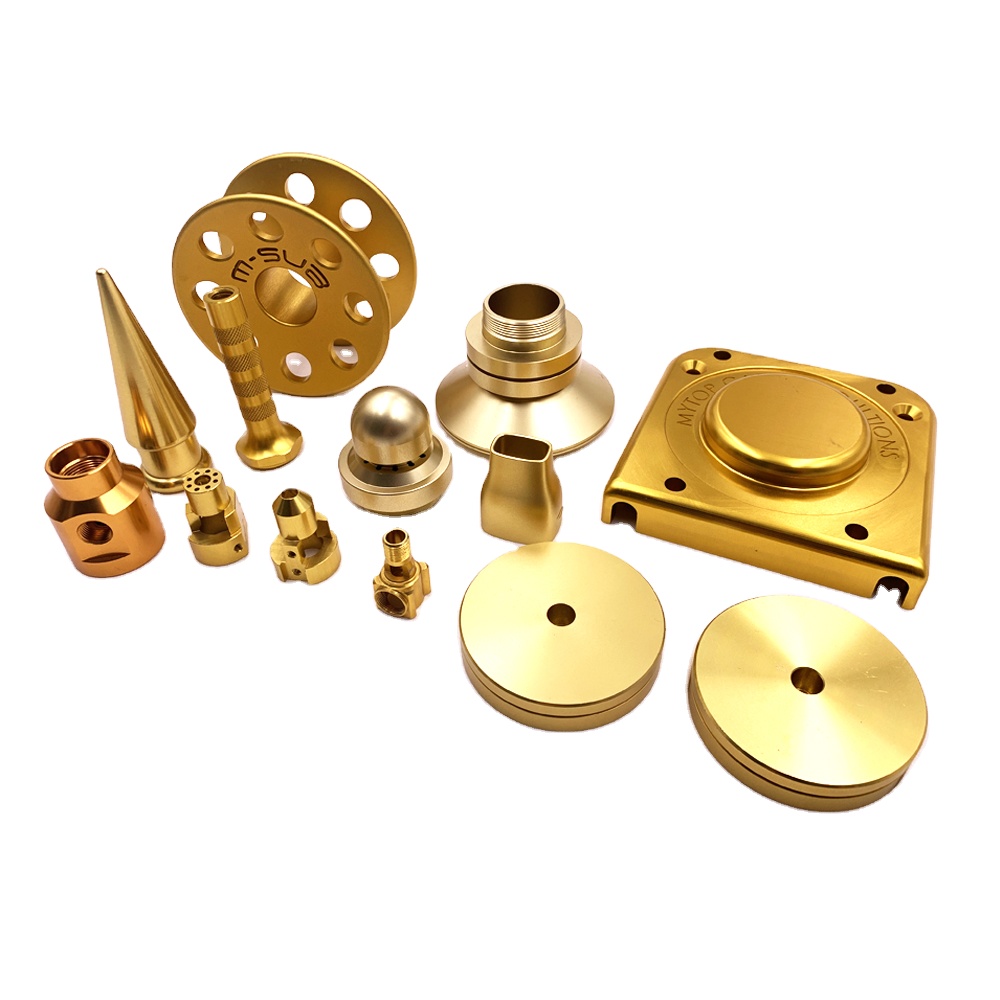
1. What Exactly Is Gold Filled Jewelry?
Gold filled (often abbreviated as GF) is more than just a thin layer of gold on top of another metal. It’s a manufacturing process where a thick layer of genuine gold is bonded to a base metal—typically brass, which is durable and has a color that complements gold. The key here is the “thickness” and “bonding method.”
To be classified as gold filled in the United States, the gold layer must make up at least 5% (or 1/20) of the total weight of the piece. This isn’t a flimsy coating; it’s a substantial layer that’s mechanically bonded to the base, meaning it won’t peel or flake off easily with normal wear. Common gold filled karatages include 14k and 18k, just like solid gold, so you get that authentic gold hue.
One of the biggest perks of gold filled jewelry is its longevity. With proper care—avoiding harsh chemicals, removing it before swimming or showering—it can last for decades, often maintaining its appearance so well that it’s mistaken for solid gold. It’s also a great option for people with mild metal sensitivities, as the thick gold layer acts as a barrier between the skin and the base metal.

2. What Is Gold Plated Jewelry, Then?
Gold plated (abbreviated as GP) is a more common and budget-friendly alternative. As the name suggests, it involves applying a very thin layer of gold to a base metal—usually copper, brass, or even stainless steel. The application method is typically electroplating, where an electric current deposits the gold onto the base.
Unlike gold filled, there’s no strict requirement for the thickness of the gold layer in gold plated pieces. In fact, the layer is often just a few microns thick—so thin that it can wear off relatively quickly. Over time, exposure to moisture, sweat, chemicals (like perfume or lotion), and even friction from clothing can cause the gold plating to fade, revealing the base metal underneath. This is why gold plated jewelry is often cheaper, but it’s also considered a more “disposable” accessory.
Gold plated jewelry is perfect for trend-driven pieces that you might only wear for a season or two. It allows you to experiment with gold tones without a big investment, but it’s not ideal for everyday wear or pieces you want to keep for years. People with metal allergies should be cautious, too—if the plating wears off, the base metal can cause irritation.

3. The Core Differences: Why It Matters
Now that we’ve defined both, let’s zero in on the key distinctions that answer the question: Is gold filled the same as gold plated? The differences boil down to four critical factors: gold content, durability, cost, and appearance over time.
3.1 Gold Content and Thickness
This is the most fundamental difference. Gold filled requires at least 5% gold by weight, with a thick, bonded layer. Gold plated has a negligible amount of gold—often less than 0.05%—in a thin electroplated coat. To put it in perspective: a gold filled necklace has enough gold that it’s legally required to be marked (e.g., “14k GF”), while gold plated pieces might only be labeled “GP” or not marked at all.
3.2 Durability and Longevity
Gold filled wins hands down here. The mechanical bonding of the gold layer means it resists wear, tarnish, and flaking. It can handle daily wear, and with care, it can last 10–30 years. Gold plated jewelry, on the other hand, usually lasts anywhere from a few months to a couple of years, depending on how often it’s worn and how well it’s cared for. The thin plating is prone to scratching and fading, especially on high-contact areas like rings or bracelets.
3.3 Cost
Unsurprisingly, gold filled is more expensive than gold plated. The higher gold content and more complex manufacturing process drive up the cost. But it’s still a fraction of the price of solid gold. Gold plated jewelry is the most affordable option, making it popular for fast fashion and budget-conscious shoppers. Think of it as “affordable luxury” for short-term use, while gold filled is an investment in pieces that will stand the test of time.
3.4 Appearance Over Time
When new, both gold filled and gold plated jewelry look nearly identical to solid gold. The difference shows up months or years later. Gold filled pieces will retain their gold color and shine, with only minor wear if not abused. Gold plated pieces, however, will start to show the base metal—often a dull silver, copper, or brass color—where the plating has worn off. This can make the piece look cheap or worn out, whereas gold filled jewelry ages gracefully.
4. Which One Should You Choose?
The choice between gold filled and gold plated comes down to your needs, budget, and how you plan to use the jewelry:
-
Choose gold filled if: You want everyday jewelry that lasts, you have mild metal sensitivities, you’re looking for pieces to pass down or keep long-term, or you prefer a more sustainable option (since it doesn’t need to be replaced as often).
-
Choose gold plated if: You’re on a tight budget, you want to try a trendy style without committing, you only plan to wear the piece occasionally (like for a party or event), or you don’t mind replacing it after a few months.
Final Thoughts: They’re Not the Same—And That’s a Good Thing
So, to circle back to the original question: No, gold filled is not the same as gold plated. Gold filled offers more gold, more durability, and more value over time, while gold plated provides an affordable way to enjoy the look of gold temporarily. Knowing the difference helps you avoid disappointment—you won’t buy a “gold” piece expecting it to last decades only to have it fade in a few months.
Next time you’re shopping for gold-toned jewelry, check the labels: “GF” means gold filled, “GP” means gold plated. Ask the seller if you’re unsure—reputable jewelers will be happy to clarify. Whether you opt for gold filled or gold plated, you can now make a choice that fits your style, your budget, and your expectations.
Is Gold Plated Brass Hypoallergenic? The Truth for Sensitive Skin
Is 14K Gold Plated Waterproof? The Truth Every Jewelry Owner Needs to Know
Related Article

Fast sampling is the fastest way to win business in the hardware machining and plastic mold industries. Customers want a working sample in days, and a 3D printer delivers it, but only when you know how to print in 3d correctly.
how to print in 3d

Fast sampling is the fastest way to win business in the hardware machining and plastic mold industries. Customers often send an STL file and expect a working sample in days.
how to print an stl file

