
How to Get a Free 3D Printer: Smart Ways to Start Fast Sampling in Hardware and Mold Shops
Author: SZTC
2026-10-14
Fast sampling is the secret weapon of the hardware machining and plastic mold industries. Customers want a working sample in days, not weeks, and a 3D printer makes that possible. But what if your workshop has no budget for a new machine? The good news is that there are many honest ways to get a free 3D printer, or at least to access one at no cost. This guide explains how to get a free 3D printer and put it to work for your fast-sampling needs without breaking your budget.

Why a Free Printer Still Delivers Real Sampling Power
A free printer is not a weak printer. Many programs offer capable machines that can handle the rough shape checks and functional fit tests that hardware and mold shops need every week. The key is knowing how to get a free 3D printer through a legitimate channel, and then using that printer to prove a design before expensive tooling begins.
A sampling printer does not need to be top-of-the-line
For fast sampling, you rarely need the most expensive machine on the market. A reliable FDM printer is enough for most shape checks, and a basic SLA machine handles fine-detail masters. Because samples are meant to be quick and disposable, a free mid-range printer can deliver most of the value of a costly one. The design discipline matters more than the machine.
Think of access, not just ownership
When people ask how to get a free 3D printer, they often mean access without cost. You may not need to own a machine at all. Local makerspaces, universities, and even some suppliers let you use a printer for free, which is often the fastest route to a working sample.

Honest Ways to Get a Free 3D Printer
There are several legitimate ways to obtain a free 3D printer, and most of them fit a small workshop or a single engineer. Choose the path that matches your situation and your timeline.
Join a local makerspace or fabrication lab
Makerspaces and fabrication labs exist in most cities and charge little or nothing for members. Many have FDM and SLA printers that you can book by the hour. For a hardware or mold shop, this is a low-risk way to test whether 3D printing fits your sampling workflow before you invest in your own machine.
Use the equipment and learn before buying
A makerspace gives you free access to printers, software, and often training. Use the time to learn how to design parts for printing and to prove a few real samples for customers. If the workflow works well, you can later justify buying your own machine with real results, not guesses.
Apply for grants and education programs
Schools, universities, and public programs often provide free 3D printers to support education and local business. If you partner with a technical college or a training center, they may let you use or borrow their equipment. Some industry programs even give machines to small manufacturers that commit to training staff.
Partner with a supplier or reseller
Some 3D printer brands and resellers give machines to companies as part of a promotion, a trade-in, or a long-term material agreement. If you commit to buying filament or resin from them, the printer itself can be free. This is a practical way to get a working machine with almost no upfront cost.
Access Free Printing Through Online Services
Even if you never touch a machine, you can get parts printed for free or nearly free through online services and platforms. This is often the smartest way to get a sample without any equipment at all.
Use print-on-demand services for one-off samples
Online 3D printing services let you upload a model and receive a printed part by mail. Many offer first-time discounts or free trials that cover a small sample. For a hardware or mold shop that needs only an occasional prototype, this avoids the cost and maintenance of owning a machine.
Compare price and speed for each job
Before ordering, compare a few services on price, material, and turnaround. A small functional sample often costs very little, and some platforms give free credits to new users. This is a flexible way to keep sampling fast without a fixed equipment cost.
Leverage free software and communities
Free design software like Tinkercad and Onshape, plus free slicers like Cura, remove the software cost from your workflow. Online communities also share free print files and troubleshooting advice. Combining free software with borrowed or paid printing keeps your total cost low.
Use a hybrid approach
The best strategy is often a mix: use free software to design, a makerspace for local access, and an online service for quick outsourced jobs. This hybrid model answers how to get a free 3D printer without committing to a single machine or a large budget.
Make the Free Printer Work for Fast Sampling
Once you have access to a printer, the real value comes from using it well. A free machine is only useful if it produces parts that help your hardware and mold customers make decisions quickly.
Design print-ready parts from the start
When you design your own parts, keep walls thick enough, avoid extreme overhangs, and account for shrinkage and tolerances. A part that prints clean on the first try saves time and material. These rules matter more when you are using borrowed or free equipment, where every failed print costs you convenience.
Test fit and function before tooling
Use the printed sample to prove that a plastic bracket fits a metal housing, or that a prototype matches the shape and draft of a future molded part. When the sample passes, the design is locked and the mold can begin with confidence. This is the real payoff of fast sampling.
Iterate quickly with measurement
After each print, measure the part against the CAD model and note where the plastic shrank or where the surface is rough. Use that data to improve the next version. Because prints are cheap and quick, you can converge on a correct part in just a few rounds.
Build a library of proven designs
Save each approved sample as a master file with the tolerances that worked. Over time, you build a reference library that makes every future sample faster. Even on a free machine, a good library compounds your speed and keeps your costs near zero.
Plan the Budget Around a Free Printer
A free printer still needs a small operating budget, and planning it carefully keeps your sampling affordable. Filament, resin, replacement nozzles, and build plates all cost money over time. When you calculate the total cost of a free machine, factor in these consumables and the time your staff spends learning and maintaining it.
Allocate a realistic consumables budget
Set aside a modest monthly amount for materials and spare parts. Even a free machine needs filament or resin to print. A small, predictable budget prevents surprises and keeps the printer available whenever a customer needs a quick sample.
Track cost per sample
Record the material and time used for each sample so you know your true cost per part. This helps you quote accurately and decide when to keep printing in-house versus using an online service. Knowing your numbers is the difference between a budget that works and one that silently grows.
Invest in training to get the most from free access
Free access is only as good as the skills behind it. Spend time learning to design for printing, tune the slicer, and maintain the machine. A short training course or a weekend of practice on a borrowed printer pays off by reducing failed prints and wasted material.
Train a small team, not just one person
Spread the knowledge across two or three people so the workflow does not depend on a single individual. When everyone understands how to design things for printing and how to run the machine, samples move faster and the free printer becomes a shared asset, not a bottleneck.
Avoid the Scams Behind "Free" 3D Printers
Not every free printer is a good deal. Some offers hide high costs in materials, shipping, or subscriptions, and others are simply too good to be true. Knowing how to get a free 3D printer safely is part of the skill.
Check the total cost of ownership
Look beyond the machine price. Some printers are given away but lock you into expensive filament, mandatory software subscriptions, or high shipping. Calculate the total cost over a year before you accept any offer. A cheap machine with expensive supplies is not a free printer.
Read reviews and verify the source
Before trusting an offer, check reviews from other users and confirm the source is legitimate. Avoid deals that ask for your bank details upfront or promise unrealistic returns. A reliable program, a reputable reseller, or a known makerspace is safer than an anonymous online giveaway.
Know what you actually need
A free printer is only valuable if it matches your sampling work. If you mostly need fine-detail plastic masters, an FDM machine may not be enough; if you need functional plastic parts, an SLA machine may be too delicate. Choose the free option that fits the parts you actually make, not the machine with the most attractive price tag.
Start small and validate
Before committing to any free machine, run a few real sampling jobs on borrowed or rented equipment. Confirm that 3D printing speeds up your quotes and satisfies your customers. If it does, then invest your time in a free machine or access program with confidence.
Start Small and Scale What Works
The smartest way to make free access work is to start with a narrow, repeatable job and scale only what proves itself. Choose one recurring sample your customers need, master it on the free machine, and measure the time and cost savings before expanding to more jobs.
Pick one high-value sample to prove the concept
Identify a part your hardware or mold customers ask about most often, and use the free printer to produce it quickly. When the customer sees a fitting sample in days instead of weeks, the value of 3D printing becomes obvious. This single win builds internal support for investing more time and budget in printing.
Measure time, cost, and customer response
Record how long the sample took, what it cost, and how the customer reacted. These three numbers tell you whether the free printer is worth scaling. If the results are strong, expand to more jobs; if not, adjust your approach before spending more.
Expand gradually as confidence grows
Once the first workflow works, add a second sample type, then a third. Each expansion uses the lessons and measurement habits you built earlier. Scaling gradually keeps risk low and lets the free printer earn its place in your shop step by step.
Reinvest savings into better access
Use the savings from free or low-cost printing to fund better tools, materials, or training. Over time, this reinvestment can turn a free starting point into a reliable, in-house sampling capability that gives your shop a lasting edge.
Conclusion: The Real Question Is Access, Not Cost
When you think about how to get a free 3D printer, remember that access is often more valuable than ownership. A makerspace membership, a supplier partnership, or a print-on-demand service can deliver fast samples without a large upfront cost. Pair free or borrowed equipment with solid design discipline, measure your results, and iterate quickly, and you will win orders with speed and confidence.
The workshops that lead in fast sampling are not always the ones with the biggest machines. They are the ones that find smart, low-cost access to printing and use it with skill. Start with what you can get for free, prove your workflow on real samples, and scale up only when the results justify it. That is how to get a free 3D printer and turn it into a lasting advantage for your business.


Samuel Song Your service representative
samuel@chnzhongzhu.com WhatsApp:+86 18688963321
Specializing in zinc-aluminum-magnesium alloy die-casting processing, CNC milling, CNC turning, 3D printing, injection molding and sheet metal processing. Manufacturing services.
How to Learn 3D Printing: A Practical Path for Hardware and Plastic Mold Fast Sampling
How to Design Your Own 3D Prints: An Industrial Guide for Hardware and Plastic Mold Fast Sampling
Related Article

Chinese manufacturing has built mature industrial clusters across the Pearl River Delta, Yangtze River Delta and inland industrial zones, serving global customers in consumer electronics, automotive, new energy, communication equipment, lighting, medical devices and industrial machinery.
china factory

Factories based in Shenzhen and the surrounding Pearl River Delta are well-known for fast response and integrated manufacturing. They serve global customers in consumer electronics, automotive, new energy, communication equipment, lighting and industrial machinery.
shenzhen factory
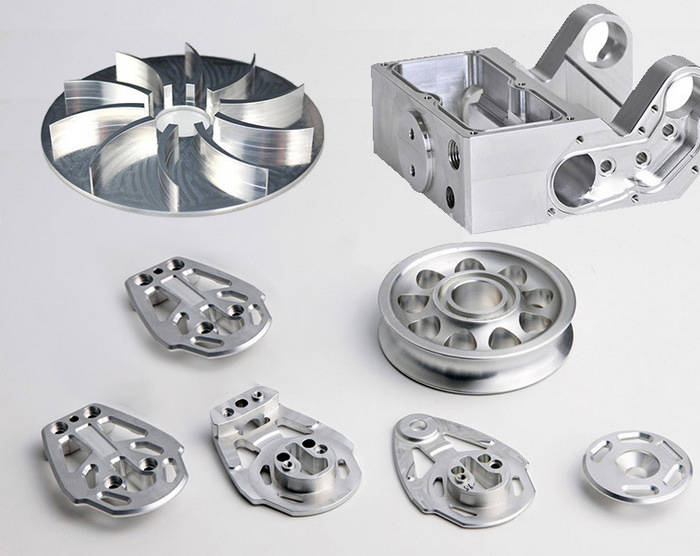
Die casting factories in the Shenzhen and Dongguan manufacturing corridor serve a wide range of sectors, including automotive parts, consumer electronics, communication hardware, pump and valve components, lighting housings and industrial brackets.
shenzhen die casting factory

Are Shenzhen die casting workshop facilities a good choice for your custom metal casting projects? It is a frequent question for purchasing managers, mechanical designers and quality engineers who source high-volume aluminum, zinc and magnesium die cast parts. Shenzhen has developed a complete industrial chain for die casting, mold making, CNC secondary machining and surface finishing.
shenzhen die casting workshop