How to Choose 3D Printer: Ultimate Guide for Hardware and Mold Rapid Sampling
Author: SZTC
2026-09-28
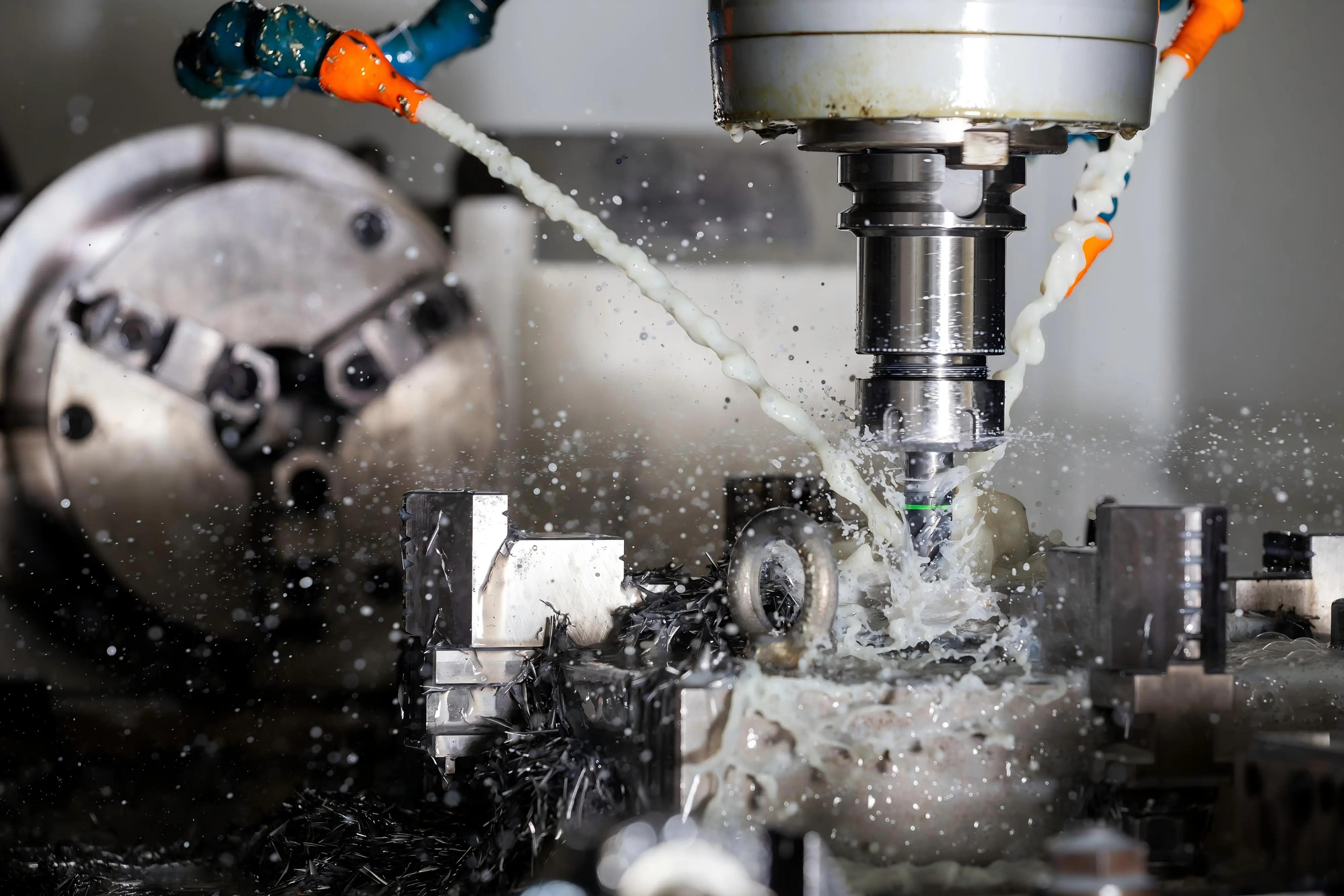
In modern hardware processing and plastic mold manufacturing industries, 3D printing has become a standard solution for rapid prototype verification, custom fixture production and pre-production testing. Many factories purchase 3D printers blindly without matching their actual sampling needs, resulting in low precision, insufficient strength, slow efficiency or idle equipment. For manufacturing managers and engineers focused on cost control and stable sampling quality, the key decision-making question is clear: how to choose 3D printer that perfectly fits mold and hardware fast prototyping scenarios. This article shares a complete industrial selection guide, helping factories pick cost-effective, high-performance and process-matching 3D printing equipment for daily rapid sampling tasks.
1. Confirm Core Application Scenarios First
Before comparing printer parameters and prices, the first step to solvehow to choose 3D printer is clarifying actual production demands. Different mold and hardware sampling purposes completely change the selection direction, and scenario matching is the primary selection principle.
1.1 Plastic Mold Sample Printing Demands
Plastic mold rapid sampling focuses on surface smoothness, tiny detail restoration and dimensional precision. Factories mainly need to verify mold cavity texture, demolding structure, groove precision and curved surface rationality. Appearance quality and tolerance stability are far more important than mechanical strength in this scenario. High-precision printing equipment is required to restore fine mold features and simulate real injection molding effects, supporting subsequent mold modification and structural optimization.
1.2 Hardware Functional Prototype Demands
Hardware sampling prioritizes structural strength, assembly accuracy and wear resistance. Most printed parts are used for fixture testing, assembly simulation and mechanical load verification. Surface details are secondary, while layer bonding strength, material toughness and structural stability become core indicators. The selected printer must support high-toughness engineering materials and stable stacking to ensure prototypes pass industrial strength tests.
1.3 Large-Size vs Small-Precision Sampling
Factories need to confirm conventional sample sizes. Large mold plates and long-strip hardware jigs require a larger build volume, while tiny precision accessories and micro cavity structures demand higher printing resolution. Matching equipment size and precision with daily sample specifications avoids frequent nested printing limitations or precision insufficiency in actual work.
The second core step in how to choose 3D printer is selecting applicable printing technology. Each mainstream industrial printing process has fixed industry positioning, and mismatched technology will lead to unqualified samples and wasted costs.
2.1 FDM Printer for Hardware Structural Sampling
FDM (Fused Deposition Modeling) printers are the most suitable equipment for hardware fixture rapid prototyping. They support multiple engineering filaments such as PETG, ABS, glass fiber reinforced nylon and high-temperature resistant materials. The printed parts feature strong layer bonding, excellent toughness and low material cost. Although the surface layer lines are obvious and precision is moderate, FDM fully meets structural verification, assembly testing and tooling production needs. It is the best cost-effective choice for mass daily hardware sampling.
2.2 SLA Resin Printer for Plastic Mold Cavity Sampling
2.3 Metal 3D Printer for High-Strength Mold Inserts
3. Key Parameter Standards for Industrial Printer Selection
3.1 Build Volume Matching
3.2 Printing Precision and Layer Height
3.3 Industrial Material Compatibility
3.4 Operation Stability and Consistency
4. Cost and Maintenance Budget Evaluation
4.1 Initial Equipment Purchase Cost
4.2 Long-Term Material and Maintenance Cost
4.3 After-Sales Technical Support
5. Common Selection Mistakes to Avoid
5.1 Blindly Pursuing High Precision
5.2 Ignoring Industrial Stability
5.3 Neglecting Material Compatibility
6. Conclusion


Samuel Song Your service representative
samuel@chnzhongzhu.com WhatsApp:+86 18688963321
Specializing in zinc-aluminum-magnesium alloy die-casting processing, CNC milling, CNC turning, 3D printing, injection molding and sheet metal processing. Manufacturing services.
How to Create 3D Models for Printing: Industrial Guide for Hardware & Mold Sampling
How to 3D Printer: Complete Industrial Operation Guide for Mold and Hardware Fast Sampling
Related Article

This guide is written for procurement engineers, maintenance leads and safety teams who need to specify or source machine guards rather than read a safety textbook.
what is the most dangerous part of machines?
This guide is written for procurement engineers, maintenance leads and safety teams who need to specify or source machine guards rather than read a safety textbook. It covers the hazard points that require protection, the guard types and standards our shop works to, the materials and fabrication options available, the industries they serve, and a selection checklist you can reuse on every guard RFQ.
which parts of a machine must be guarded?
Most buyers do not lose sleep over the dictionary definition of machining. They lose sleep over the practical version: can this supplier hold the tolerance on my drawing, will the material certificate match what I paid for, will the first article pass incoming inspection, and will the parts arrive before the assembly line starts.
What Does Machining Mean?