How Much to 3D Print Industrial Prototypes for Mold and Hardware Sampling
Author: SZTC
2026-09-18
In plastic mold and hardware processing industries, rapid prototyping is essential for validating part structures, checking assembly tolerance, and optimizing mold designs before formal mass production. More factory engineers and project managers keep asking the same practical question: how much to 3D print custom mold components and hardware functional samples. Unlike consumer-grade 3D printing with fixed low pricing, industrial 3D printing costs vary widely based on technology type, material grade, part complexity and finishing standards. This article delivers a complete industrial cost guide tailored for mold and hardware rapid sampling, breaking down tiered pricing, key cost drivers and practical budget-saving strategies.
1. Core Factors That Determine How Much to 3D Print Industrial Parts
To accurately estimate how much to 3D print mold cavities, hardware fixtures and custom prototypes, manufacturers must understand the four decisive factors that shape final quotation prices in industrial scenarios.
1.1 3D Printing Technology Type
Different additive manufacturing processes create distinct price tiers for industrial sampling. FDM printing is the most affordable option for non-critical structural testing and hardware jigs. SLA resin printing delivers smooth surface quality for plastic mold detail verification with moderate pricing. SLS nylon printing provides durable functional plastic parts without support restrictions. Metal SLM printing, designed for high-strength mold inserts and load-bearing hardware prototypes, requires expensive powder materials and laser melting systems, resulting in the highest unit cost. Selecting the right process matching your sampling purpose directly avoids overspending or insufficient part quality.
1.2 Industrial Material Selection
Materials account for nearly half of total 3D printing costs. Basic PLA and standard resin suit simple appearance prototypes with low budgets. Engineering-grade PETG, ABS, high-temperature resistant resin and reinforced nylon are widely adopted for functional mold and hardware testing, costing significantly more than ordinary materials. Metal printing materials including stainless steel, aluminum alloy and mold steel powder carry premium pricing due to refined industrial formulas and storage requirements. Material durability, heat resistance and mechanical strength directly decide material costs and final sample performance.
1.3 Part Size and Structural Complexity
Larger prototypes consume more materials and extend machine running time, raising overall printing expenses. Complex industrial structures such as thin mold walls, deep engraved textures, hollow cooling channels, irregular hardware contours and threaded features require extra support structures and precise path calibration. These intricate designs increase printing difficulty, material waste and failure risks. Simple regular-shaped brackets and block samples always cost far less than customized complex mold and hardware components.
1.4 Precision and Post-Processing Standards
Raw printed parts with visible layer lines can only be used for rough structural reference. Industrial mold and hardware samples demand strict dimensional tolerance, smooth surface finish and stable assembly performance. Required post-processing steps include support removal, UV curing, sanding, polishing, sandblasting and precision dimension inspection. High-precision prototypes may need secondary CNC trimming to meet industrial standards. Advanced finishing processes greatly improve sample usability but add extra labor and time costs.
2. Standard Industrial Pricing: How Much to 3D Print Common Mold and Hardware Samples
Based on 2026 industrial rapid prototyping market data, tiered price ranges clearly answer how much to 3D print mainstream factory sampling parts for plastic mold and hardware industries.
2.1 FDM Structural Prototypes: $10 – $90
FDM printing is the most cost-effective solution for daily workshop sampling. This price range covers small to medium hardware positioning jigs, assembly brackets, plastic mold auxiliary frames and non-precision structural test parts. Made of affordable engineering filaments, FDM samples offer decent toughness for basic assembly verification and strength simulation. With simple printing procedures and minimal post-processing, FDM remains the best choice for low-budget, fast iterative testing in hardware and mold workshops.
2.2 SLA High-Precision Resin Mold Samples: $90 – $320
SLA resin printing dominates plastic mold rapid sampling, perfectly restoring fine cavity textures, curved surfaces and tiny engraved details. Priced from $90 to $320, these prototypes simulate real injection molding surface effects, helping engineers verify mold flow rationality and identify structural defects in advance. Small simple mold samples stay at the lower price range, while complex multi-cavity molds and ultra-fine texture prototypes reach the upper limit due to prolonged printing and careful manual polishing.
2.3 SLS Functional Nylon Hardware Parts: $160 – $600
SLS nylon printing produces high-toughness, wear-resistant functional parts without support structure limitations, ideal for movable hardware components and load-bearing structural prototypes. The technology supports integrated molding of complex nested and hollow structures that traditional machining cannot achieve. Priced between $160 and $600, SLS samples can fully replace formal injection-molded parts for long-term functional testing, making them essential for new hardware product development and mold parameter optimization.
2.4 Metal 3D Printed Mold and Hardware Components: $550 – $2200+
Metal 3D printing is the highest-grade rapid sampling solution for industrial manufacturing. It manufactures high-hardness mold inserts, conformal cooling channels, high-strength hardware fixtures and customized metal structural parts. The entire process requires inert gas protection, high-precision laser melting and professional heat treatment to eliminate internal stress. Due to expensive metal powder, long machine hours and strict post-processing procedures, prices start at $550 and exceed $2200 for large or ultra-complex industrial prototypes.
3. Hidden Costs That Affect Final 3D Printing Quotations
When calculating how much to 3D print industrial prototypes, factories must consider hidden service costs beyond basic material and machine expenses.
3.1 Model Repair and Design Optimization Cost
Original CAD files designed for CNC machining or injection molding often contain non-printable defects, including non-watertight meshes, unreasonable thin walls and overlapping geometries. Professional engineers need to repair mesh errors, adjust wall thickness and optimize printing orientation to avoid printing failure. Complex mold and hardware models require more manual modification work, generating additional technical service fees.
3.2 Urgent Order and Single-Piece Premium
3D printing factories usually arrange batch nesting to improve machine utilization and reduce unit costs. Isolated single-piece orders cannot share batch production benefits, resulting in higher unit prices. Urgent sampling requests that require priority production within 24 hours also incur rush fees. For time-sensitive mold trial projects, the urgent premium becomes an inevitable part of the total printing cost.
3.3 Quality Inspection and Packaging Cost
Industrial prototypes require strict dimensional tolerance detection, surface defect inspection and performance verification before delivery. Qualified samples need anti-collision packaging to prevent deformation and scratches during transportation. Standardized quality control and professional packaging ensure stable sample quality for subsequent mold testing and hardware assembly, adding necessary minor costs to final quotations.
4. Practical Ways to Reduce 3D Printing Sampling Costs
Understanding accurate pricing logic helps mold and hardware factories control budgets while maintaining reliable sampling quality.
4.1 Match Process and Material with Actual Demand
Avoid over-specification printing for ordinary testing scenarios. Use low-cost FDM for simple structural verification, adopt SLA resin only for mold detail inspection, and reserve expensive metal printing exclusively for high-strength functional prototypes. Reasonable technical matching effectively eliminates unnecessary premium costs without affecting testing accuracy.
4.2 Optimize Part Design for Additive Manufacturing
Redesign unreasonable structures to reduce redundant support materials, adopt self-supporting angles, and adjust infill density according to mechanical demands. Proper design optimization shortens printing time and reduces material consumption, significantly cutting down prototype costs for long-term repeated sampling projects.
4.3 Centralize Orders for Batch Production
Collect multiple small prototype orders for unified batch printing. Batch nesting maximizes machine efficiency, disperses fixed equipment operation costs and lowers the unit price of individual small parts. This method is the most effective cost-saving strategy for factories with frequent sampling demands.
5. Conclusion
In summary, the clear answer tohow much to 3D print industrial mold and hardware prototypes covers multiple budget tiers: FDM structural samples range from $10 to $90, high-precision resin mold parts cost $90 to $320, functional nylon hardware prototypes are priced $160 to $600, and industrial metal components start at $550. Printing technology, material grade, structural complexity and post-processing standards jointly determine final costs. For plastic mold and hardware processing enterprises, mastering 3D printing pricing rules and cost-saving strategies can effectively reduce product research and development expenses, shorten iteration cycles, and improve overall market competitiveness through efficient and economical rapid sampling.


Samuel Song Your service representative
samuel@chnzhongzhu.com WhatsApp:+86 18688963321
Specializing in zinc-aluminum-magnesium alloy die-casting processing, CNC milling, CNC turning, 3D printing, injection molding and sheet metal processing. Manufacturing services.
How Much to 3D Print a House | Full Industrial Cost Guide 2026
How Much Is It to 3D Print Something for Mold and Hardware Rapid Sampling
Related Article

A 3D printer can be more than a tool for making models. In manufacturing, it can help businesses produce samples quickly, review designs, and prepare for machining or mold production.
where to sell 3d printer?
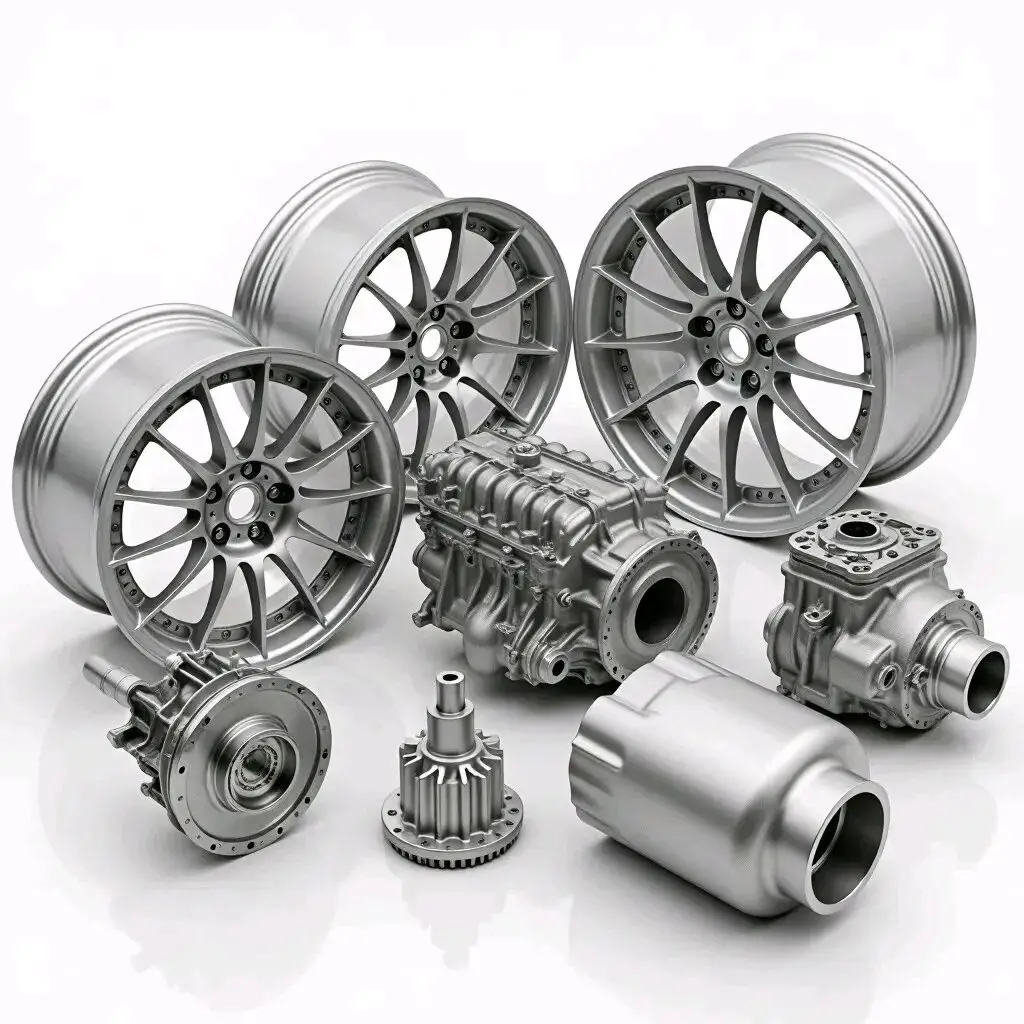
When a new product is still being developed, a physical sample can answer questions that a CAD model cannot. It lets engineers check dimensions, review assembly, and spot design issues before committing to production.
where to print things?