How Much to 3D Print a House | Full Industrial Cost Guide 2026
Author: SZTC
2026-09-18
3D construction printing has evolved from experimental architectural technology into a practical, fast-building solution for residential housing, emergency shelters, and customized architectural structures. Similar to rapid prototyping in plastic mold and hardware processing industries, building 3D printing adopts additive manufacturing logic to stack materials layer by layer, eliminating traditional bricklaying and complex mold opening processes. For developers, construction contractors and manufacturing teams expanding into architectural printing projects, the core question remains: how much to 3D print a house. Many industry newcomers misunderstand 3D printed homes as ultra-low-cost solutions, while actual industrial pricing involves printing equipment, special building materials, site construction and finishing work. This article provides a complete tiered cost breakdown, analyzes key pricing factors, and clarifies the real budget standards for modern 3D printed houses.
1. Core Factors That Decide How Much to 3D Print a House
To accurately answer how much to 3D print a house, it is necessary to master the core variables that cause huge price differences between different construction projects. Unlike small-scale mold and hardware sample printing, architectural 3D printing involves large-format industrial equipment and systematic construction engineering.
1.1 Building Size and Structural Complexity
Square footage and structural design are the most intuitive cost factors. Simple single-story rectangular houses with regular wall layouts have the lowest unit printing costs, with efficient material stacking and minimal waste. In contrast, multi-story buildings, curved facades, hollow wall structures, customized architectural arcs and special-shaped partitions require complex printing paths and additional support structures, greatly increasing material consumption and equipment operating time. Just like complex plastic mold samples cost more in rapid prototyping, architecturally complex houses significantly raise overall printing budgets.
1.2 Special Printing Materials and Formulas
3D house printing cannot use ordinary cement or mortar. It relies on professional printable concrete, fiber-reinforced mortar and thermal insulation composite materials with precise fluidity and rapid curing performance. Low-standard printable materials apply to temporary buildings with low weather resistance requirements, while high-grade formula materials with crack resistance, waterproof performance and thermal insulation functions are required for permanent residential houses. High-quality building materials account for 30% to 40% of the total project cost, directly determining building durability and overall pricing.
1.3 Equipment Operation Mode
Large construction 3D printers require huge one-time purchase investment, so most engineering teams choose equipment rental for single projects. Rental fees include equipment deployment, on-site debugging, professional operation and daily maintenance. Long-term batch construction teams that purchase equipment can amortize fixed costs, reducing the unit price of each house. The difference between rental and self-owned equipment modes completely changes the cost calculation standard of 3D printed houses.
1.4 Construction Scope and Finishing Standard
Pure printing projects only complete wall structure molding, while full turnkey projects include foundation treatment, roofing, thermal insulation, waterproofing, pipeline embedding and interior decoration. Rough-finish temporary houses only retain basic structural functions, while high-standard permanent residences need complete supporting systems and fine decoration. Different construction scopes and finishing levels form completely differentiated pricing systems for 3D printed houses.
2. Tiered Market Price Range for 3D Printed Houses
Combined with 2026 global construction printing industry data, clear tiered pricing thoroughly answers how much to 3D print a house, covering temporary buildings, ordinary residential houses and high-end customized villas.
2.1 Small Temporary Houses (500–800 sq ft): $35,000 – $90,000
Small 3D printed houses are widely used for engineering dormitories, emergency disaster relief shelters and rural temporary residences. With simple wall structures and basic printable materials, these houses can complete main body printing within 2 to 3 days. The overall cost is low because of simplified foundation treatment, no complex decoration and basic functional configuration. This type of project maximizes the advantages of fast printing and low material waste, being the most cost-effective scenario for construction 3D printing.
2.2 Standard Single-Family Residences (1000–2000 sq ft): $100,000 – $180,000
Most mainstream civilian 3D printed houses belong to this tier, meeting formal residential building code standards. The projects adopt high-performance printable concrete, complete foundation reinforcement, standardized thermal insulation and waterproof structures, and basic interior and exterior finishing. Compared with traditional construction, 3D printing saves 15% to 20% of total costs, greatly shortens the construction cycle, and reduces labor dependence. This price range is the mainstream choice for ordinary family residential construction and affordable housing projects.
2.3 High-End Custom Villas (2000+ sq ft): $200,000 – $400,000+
Large-area customized 3D printed houses with artistic facades, multi-layer complex structures and high-grade decoration have significantly increased costs. Complex curved walls and personalized architectural designs require precise path planning and repeated layered printing, increasing equipment operation time and material costs. Matching high-end roofing, intelligent pipeline systems and fine interior decoration further raise the total budget. Although the printing process still has efficiency advantages, the overall cost gap with traditional luxury buildings is gradually narrowed.
3. Detailed Breakdown of Core Printing Costs
To fully clarify how much to 3D print a house, it is essential to sort out every expenditure link in the industrial printing and construction process.
3.1 Equipment Operating and Rental Costs
Construction 3D printer rental fees are the main fixed expenditure of single projects, covering equipment transportation, on-site assembly, precision debugging and professional operator services. Large-format printing equipment requires regular calibration and maintenance during construction to ensure wall flatness and structural stability. For self-owned equipment teams, long-term depreciation and parts replacement costs also need to be amortized into each printing project.
3.2 Special Building Material Costs
Professional printable concrete and fiber-reinforced mortar are the core variable costs. Different from ordinary building materials, printing materials need to maintain stable fluidity during extrusion and rapid curing after stacking to avoid structural hollowing and cracking. High-quality anti-aging and weather-resistant materials ensure long-term building safety but cost more than ordinary construction raw materials, becoming the main part of project investment.
3.3 Site Preparation and Auxiliary Engineering Costs
3D printing only completes wall molding, and cannot replace foundation engineering, terrain leveling and drainage system layout. Standard foundation pouring and ground reinforcement are required before printing construction. In addition, post-printing roofing, exterior wall protection, thermal insulation treatment and pipeline embedding all generate auxiliary engineering costs, which are indispensable components of the total house printing budget.
3.4 Labor, Design and Inspection Costs
Although 3D printing greatly reduces manual construction workload, professional architectural design, model slicing and structural simulation are required in the early stage. On-site professional operators supervise the printing process, and quality inspectors test structural stability after construction. Reasonable design and strict quality inspection ensure compliance with building standards, bringing continuous technical and labor costs.
4. Cost Advantages and Industrial Application Value
Understanding the pricing logic of 3D printed houses helps the construction and manufacturing industry objectively evaluate the technological value, similar to the rapid sampling advantages of mold and hardware 3D printing.
4.1 Reduce Material Waste and Labor Costs
Additive manufacturing only stacks materials according to structural design, avoiding massive waste of traditional cutting and pouring processes. It reduces more than 50% of on-site manual labor, effectively solving the problem of insufficient construction manpower and high labor costs. Especially for batch standardized residential projects, the scale effect can further reduce unit printing costs.
4.2 Shorten Construction Cycle and Lower Time Cost
Traditional house construction takes several months or even half a year, while 3D printing can complete the main wall structure within 48 hours. The ultra-short construction cycle greatly shortens the project delivery cycle, reduces site occupation costs and capital occupation pressure, and brings higher economic benefits for developers and construction teams.
4.3 Adapt to Diversified Rapid Construction Scenarios
Just like fast iteration of mold and hardware samples, 3D house printing supports rapid design modification and flexible structural adjustment. It can quickly respond to personalized architectural design needs and emergency construction tasks, with strong adaptability in affordable housing construction, scenic auxiliary buildings and emergency disaster relief projects.
5. Conclusion
In conclusion, the accurate answer to how much to 3D print a house depends on building scale, structural complexity and finishing standards. Small temporary houses cost $35,000 to $90,000, standard residential buildings range from $100,000 to $180,000, and high-end customized villas exceed $200,000. As construction 3D printing technology continues to mature and material costs gradually decrease, 3D printed houses will show more prominent cost advantages and wider application prospects. Combining the efficient rapid prototyping logic of the mold and hardware industry, architectural 3D printing will become an important innovative solution for modern rapid construction and low-cost residential engineering.


Samuel Song Your service representative
samuel@chnzhongzhu.com WhatsApp:+86 18688963321
Specializing in zinc-aluminum-magnesium alloy die-casting processing, CNC milling, CNC turning, 3D printing, injection molding and sheet metal processing. Manufacturing services.
How Powerful Is the Maker in Hardware and Plastic Mold Fast Sampling
How Much to 3D Print Industrial Prototypes for Mold and Hardware Sampling
Related Article

A 3D printer can be more than a tool for making models. In manufacturing, it can help businesses produce samples quickly, review designs, and prepare for machining or mold production.
where to sell 3d printer?
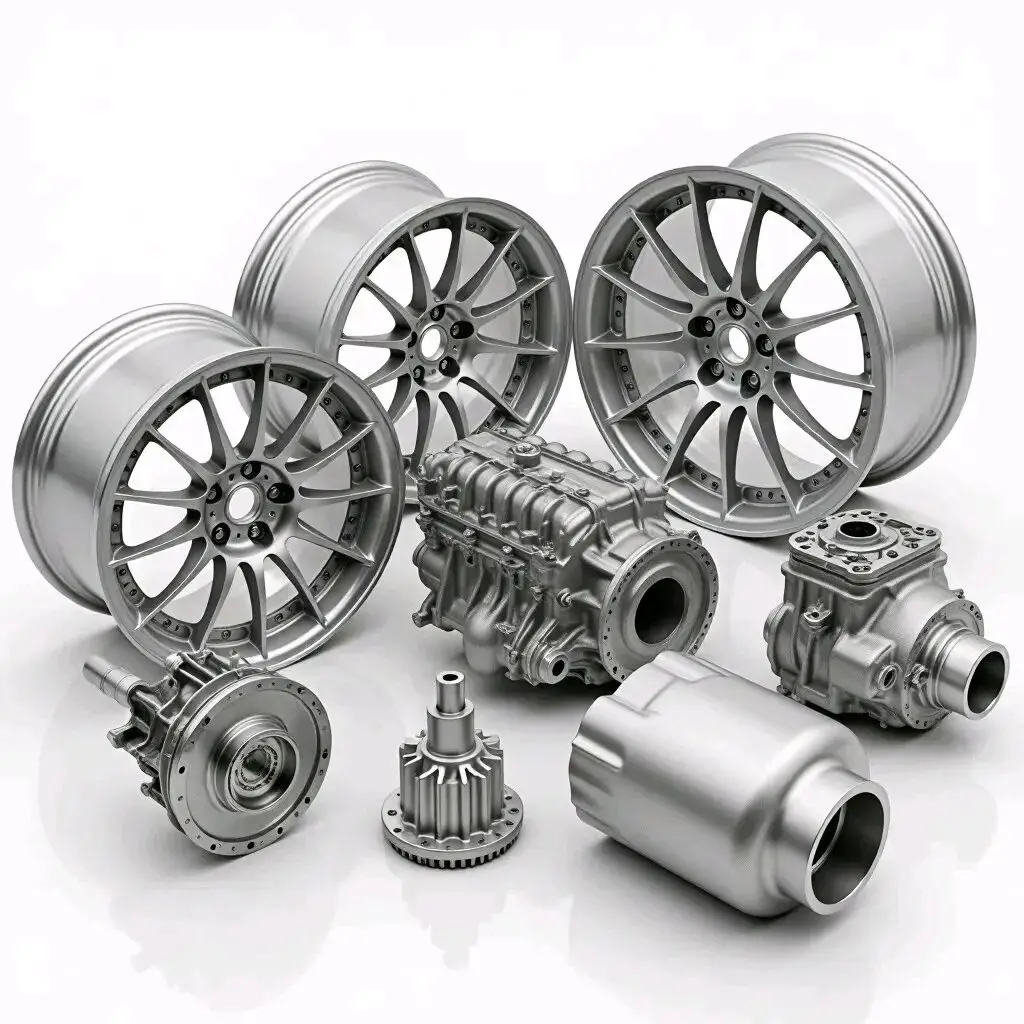
When a new product is still being developed, a physical sample can answer questions that a CAD model cannot. It lets engineers check dimensions, review assembly, and spot design issues before committing to production.
where to print things?