How Do Metal 3D Printers Work for Industrial Rapid Sampling
Author: SZTC
2026-09-07


Samuel Song Your service representative
Specializing in zinc-aluminum-magnesium alloy die-casting processing, CNC milling, CNC turning, 3D printing, injection molding and sheet metal processing. Manufacturing services.
-----------------------------------------------------------------------------------------------------------------------------------------------------------------------------------------------------------------------------------------------------------------------------------------------------------------------------------------------
Metal 3D printing has become a vital technology for high-strength rapid sampling in plastic mold and hardware processing industries. Many manufacturing engineers frequently ask how do metal 3D printers work. Unlike ordinary plastic 3D printers, metal 3D printers adopt advanced powder melting technology to produce durable metal prototypes and precision mold parts for industrial verification.
1. Core Working Principle of Metal 3D Printing
To fully understand how do metal 3D printers work, it is necessary to learn its basic additive manufacturing logic.
1.1 Digital Model Slicing
The whole workflow starts with professional 3D modeling software. Complex metal hardware structures and mold cavity designs are sliced into numerous thin layers. The system generates precise printing paths, which guide the printer to build parts accurately layer by layer.
1.2 Metal Powder Fusion Mechanism
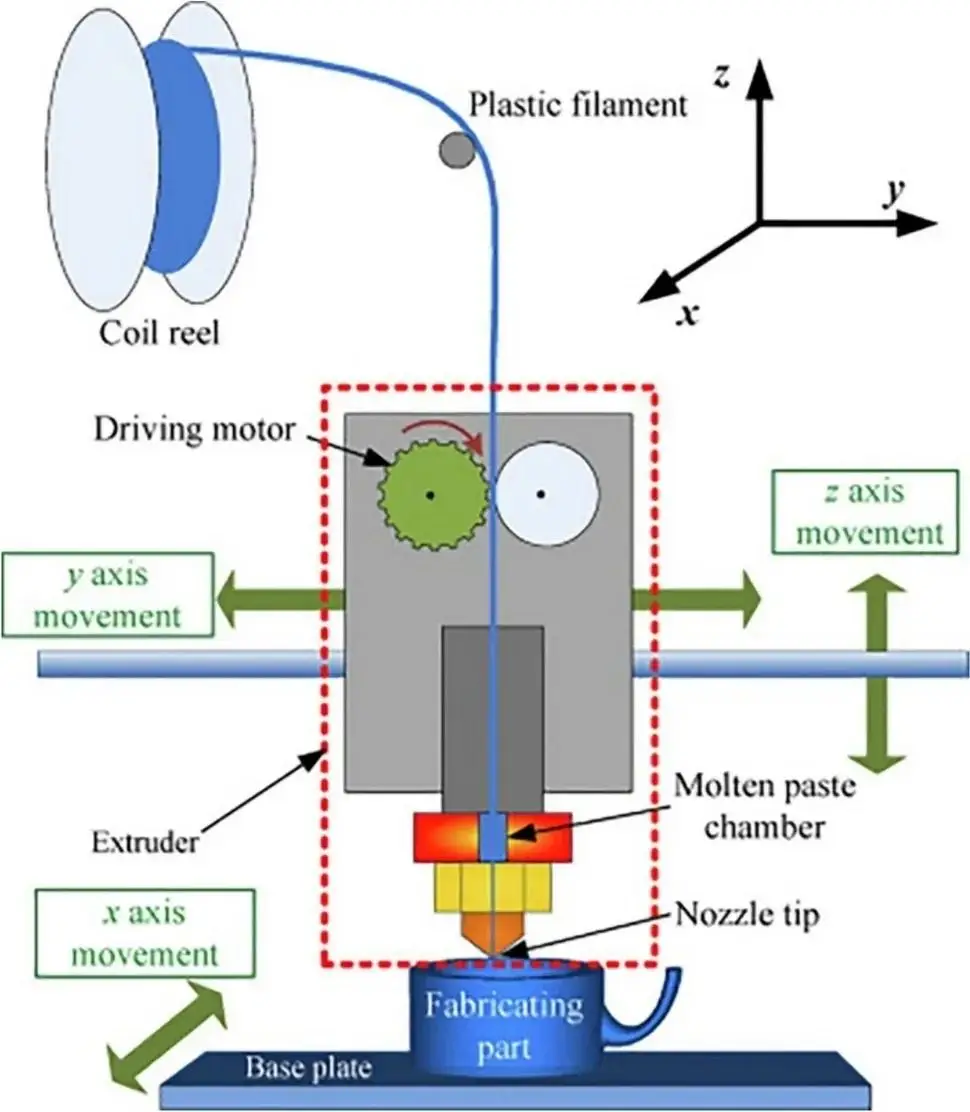
Metal 3D printers spread thin layers of fine metal powder on the printing platform each time. High-energy lasers selectively melt and fuse the powder according to preset paths. After cooling and solidifying, each layer bonds tightly with the previous one, finally forming integrated metal parts.
2. Main Working Process for Industrial Sampling
Further exploring how do metal 3D printers work reveals its unique industrial operation steps.
2.1 Powder Recoating and Melting
The printer automatically completes powder recoating in a closed inert gas environment. This prevents metal oxidation during printing. It is suitable for printing stainless steel, aluminum alloy and tool steel used for hardware prototypes and mold inserts.
2.2 Post-Processing Enhancement
After printing, metal parts undergo heat treatment and surface polishing. This process improves density, hardness and dimensional accuracy, meeting the strict tolerance standards of formal industrial sampling and strength testing.

3. Industrial Value for Mold and Hardware Industry
Mastering how do metal 3D printers work helps factories maximize sampling efficiency.
3.1 Break Traditional Machining Limits
Metal 3D printing easily produces intricate structures such as conformal cooling channels for plastic molds and special-shaped hardware fixtures. These complex parts are difficult and time-consuming to process via traditional CNC cutting.
3.2 Accelerate Product Iteration
This technology shortens the sampling cycle from several days to hours. It greatly reduces mold trial costs and material waste, providing flexible and efficient solutions for small-batch customization and rapid verification.
In conclusion, metal 3D printers manufacture solid metal parts through laser powder melting and layer stacking. Understanding how do metal 3D printers work allows mold and hardware enterprises to apply high-precision metal rapid sampling to improve overall manufacturing competitiveness.
How Do Resin Printers Work for Mold and Hardware Rapid Sampling
How Do 3D Printers Work for Mold and Hardware Rapid Sampling
Related Article
Fast sampling is the fastest way to win business in the hardware machining and plastic mold industries. Customers need a working sample in days, and a 3D printer delivers it, but only when the model is prepared correctly.
how to print 3d models
Fast sampling is the fastest way to win business in the hardware machining and plastic mold industries. Customers often hand you a sketch, a photo, or a drawing, and expect a 3D sample in days.
how to print 3d images