how to pick a 3d printer
How to Pick a 3D Printer: A Practical Guide for Hardware and Mold Fast Sampling
Fast sampling is the fastest way to win business in the hardware machining and plastic mold industries. A 3D printer makes it possible, but the right printer makes it profitable. Knowing how to pick a 3d printer means choosing a machine that matches your samples, your budget, and your workflow, instead of buying on hype or price alone. This guide gives you the key factors to weigh before you spend.
Match the Printer to Your Sampling Work
The best printer is not the biggest or the cheapest; it is the one that suits the parts you actually make. Start from your work, not from the catalog, and let the samples you ship decide the machine you buy.
Decide between FDM and resin first
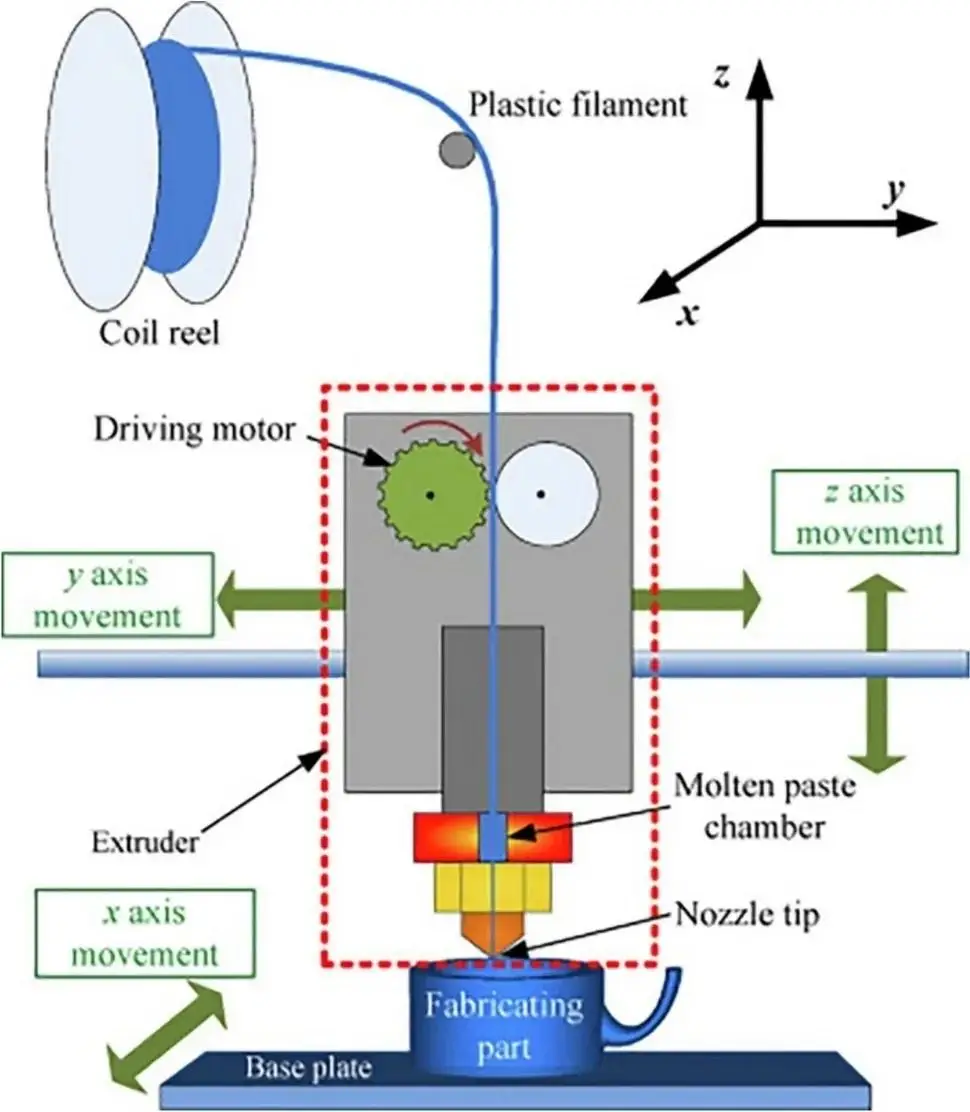
FDM printers are fast, cheap, and great for rough shape checks and functional plastic parts. Resin printers produce smooth, fine detail, ideal for cosmetic prototypes and mold masters. In a shop that needs both, many teams choose one of each rather than a single compromise machine, so each job uses the right tool.
Consider SLS for strength and complexity
If your samples must function like production parts with complex internal geometry, an SLS printer builds strong parts without supports. It costs more, but it suits jobs that need real material strength. Match the technology to the majority of your work, because a machine that does not fit your samples will sit idle.
Think about the materials your customers ask for
Some customers need heat-resistant or flexible parts, while others want smooth, cosmetic samples. Check that the printer you pick can run the materials your work demands. A versatile machine serves more customers and earns more repeat business.
Check the Build Volume You Really Need
Build volume limits the size of a part you can print in one piece. Measure your largest common sample and make sure the printer can hold it with a little room to spare.
Bigger is not always better
A large build volume costs more and takes longer to heat and level. If most of your samples are small brackets and inserts, a mid-size machine is enough and easier to run. Choose a volume that covers your work, not one that impresses visitors.
Consider smaller parts for speed
Many samples can be printed in pieces and assembled, which lets a smaller, faster printer handle large designs. If your workflow tolerates this, you can save money and print quicker.
Prioritize Accuracy and Reliability
For fast sampling, a part must fit the real mating part, so accuracy matters more than raw speed or fancy features. A machine that prints fast but drifts out of tolerance costs you more in reprints than it saves in time.
Look for dependable motion and calibration
A rigid frame, quality rails, and auto-leveling keep prints accurate and repeatable. Check that the machine holds its calibration between jobs, because a printer that drifts forces you to reprint samples and miss deadlines. A reliable machine is the one that keeps your delivery promises.
Read reviews of real users
Skip the marketing and read what shops like yours say about reliability, support, and print quality. Real feedback reveals how a machine behaves over months of daily sampling, which specs on paper do not show. Look for consistent comments about fit and finish, not just speed.
Consider ease of setup and use
A machine that is hard to calibrate or tricky to load will slow your team and cause errors. Look for printers with guided setup, clear software, and simple maintenance. An easy machine lets your staff focus on samples instead of fighting the hardware.
Budget for More Than the Printer
The purchase price is only the start. The total cost of owning a printer includes materials, maintenance, and accessories.
Count the cost of materials and upkeep
Filament, resin, nozzles, and build plates add up over time, and so does replacement parts and repairs. Add a realistic allowance for these before you choose, so the machine you pick stays affordable to run.
Buy what fits your material plans
If you mostly print tough materials for functional samples, confirm the machine handles them reliably. A printer that only runs one easy material limits your sampling range and your revenue.
Consider Support, Software, and Future Growth
A printer is easier to keep productive when it has good support and software you understand.
Choose a machine with good community support
Popular machines have active communities, spare parts, and guides, which makes troubleshooting and repair far easier. A niche machine may be cheaper but harder to keep running when it breaks.
Plan for a second machine later
Think about whether you will add more printers as sampling grows. Choosing a proven, widely used model now makes it easy to expand later and keep your workflow consistent.
Conclusion: Pick for Your Work, Not for the Hype
Knowing how to pick a 3d printer comes down to matching the machine to your samples, your budget, and your workflow. Choose the technology, build volume, accuracy, and support that fit your work, and budget for the total cost of ownership.
The shops that sample fast and profit are the ones that buy the right tool for the right job. Choose deliberately, plan for growth, and let the machine you pick support every sample you ship.
how to price 3d prints
how to operate a 3d printer
Related Article