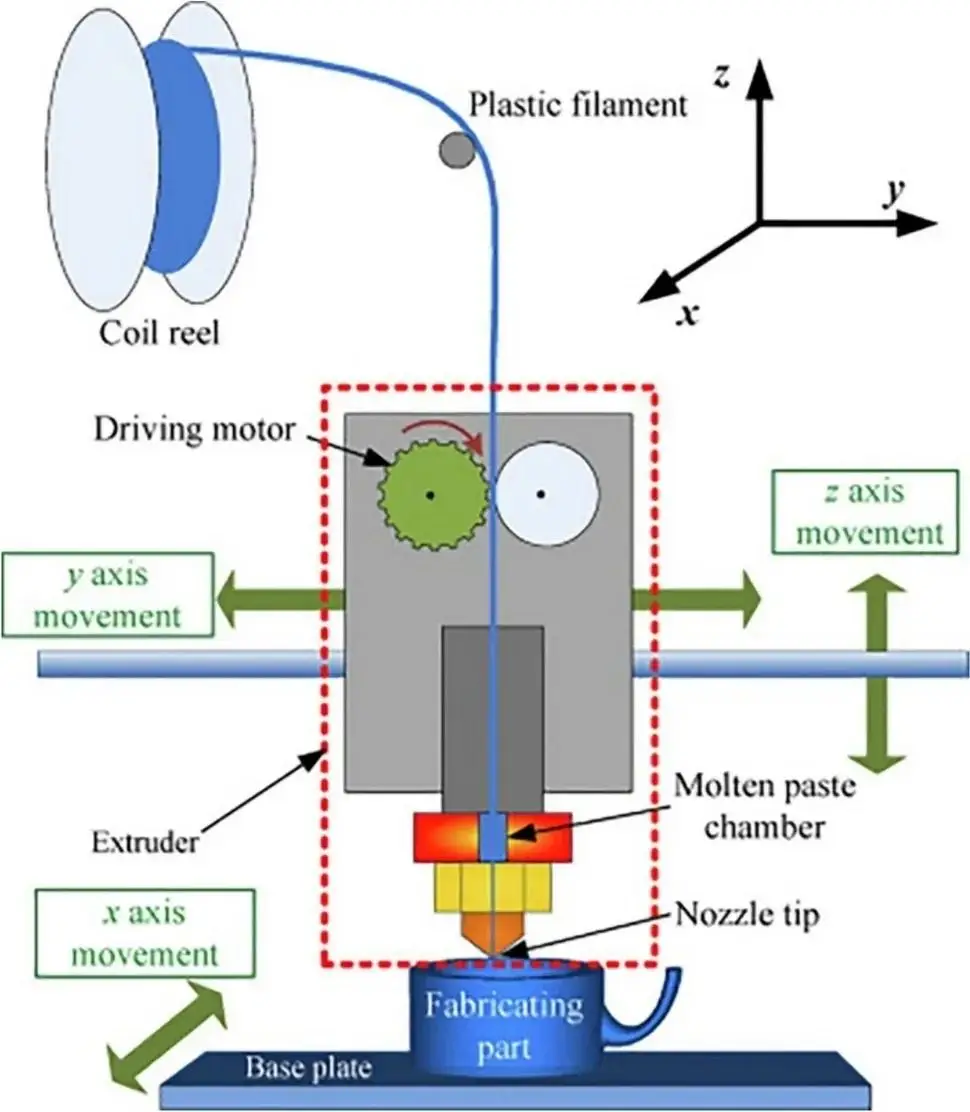
How Do 3D Printers Work for Mold and Hardware Rapid Sampling
Author: SZTC
2026-09-07


Samuel Song Your service representative
Specializing in zinc-aluminum-magnesium alloy die-casting processing, CNC milling, CNC turning, 3D printing, injection molding and sheet metal processing. Manufacturing services.
-----------------------------------------------------------------------------------------------------------------------------------------------------------------------------------------------------------------------------------------------------------------------------------------------------------------------------------------------
3D printing has become the mainstream solution for fast sample production in plastic mold and hardware processing industries. Many factory beginners and technical staff often ask how do 3D printers work. Different from traditional cutting processing, 3D printers adopt additive manufacturing principles, which greatly accelerates prototype iteration for molds and custom hardware parts.

1. Core Working Principle of 3D Printing
To clearly understand how do 3D printers work, it is essential to master its layered manufacturing logic.
1.1 Digital Model Slicing
The entire printing process starts with digital 3D models. Professional software slices complete models into countless thin horizontal layers and generates accurate printing paths. This step converts complex mold cavity and hardware structural designs into executable printing commands.
1.2 Layer-by-Layer Accumulation
The biggest difference from traditional machining is material accumulation. 3D printers create objects layer by layer from bottom to top. Each layer is precisely stacked and bonded, finally forming complete solid parts without redundant material waste.
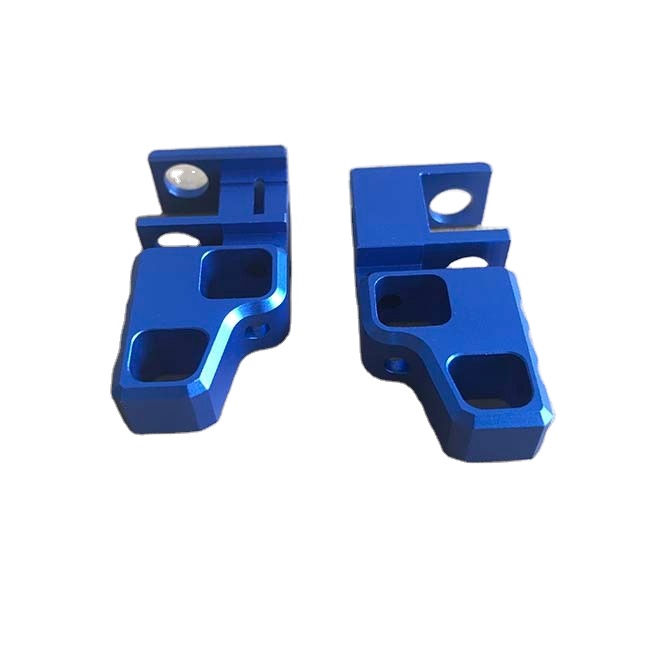
2. Common Working Mechanisms for Industrial Sampling
Further exploring how do 3D printers work helps factories select suitable printing methods.
2.1 Resin Curing for Mold Samples
SLA 3D printers use ultraviolet lasers to cure liquid resin layer by layer. This working mode delivers high precision and smooth surfaces, making it ideal for printing delicate plastic mold prototypes and testing tiny groove structures.
2.2 Melting Extrusion for Hardware Parts
FDM printers melt engineering plastic filaments and extrude materials through nozzles. This stable working principle suits rapid production of hardware jigs, positioning fixtures and structural test samples for daily workshop use.
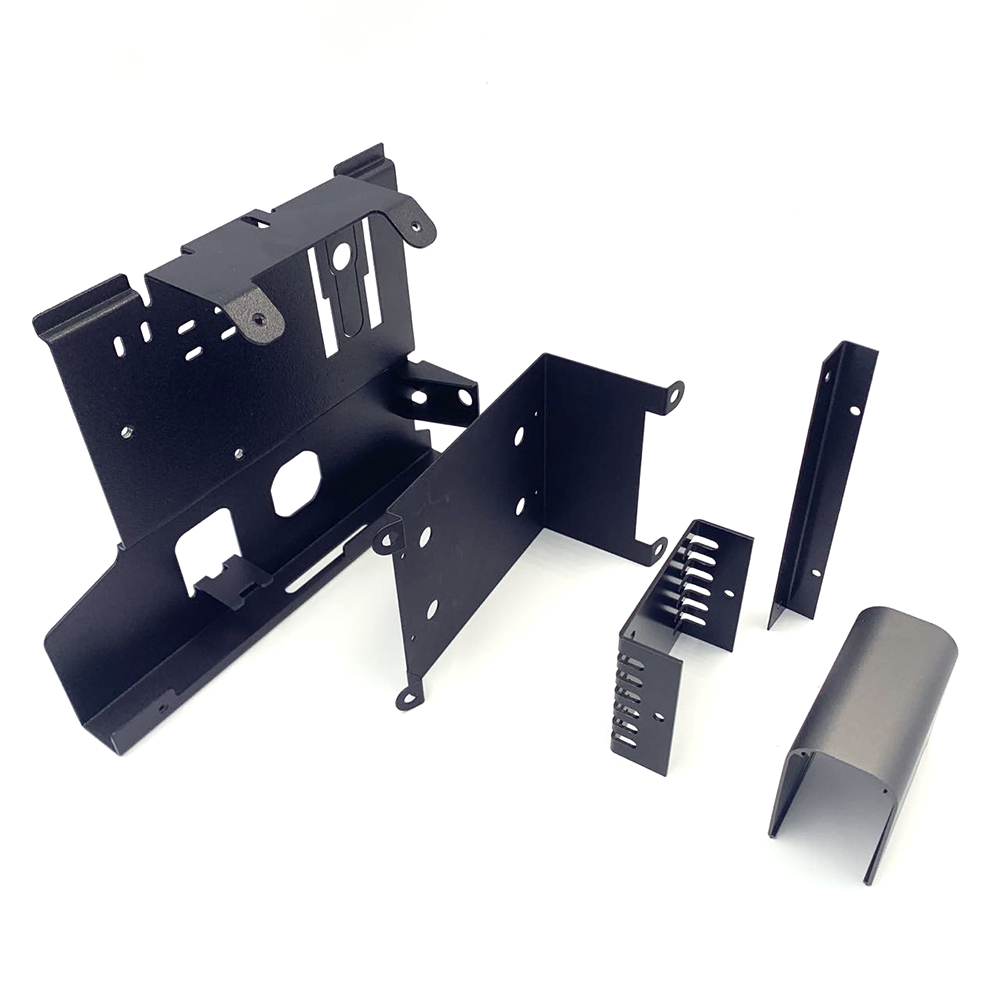
3. Industrial Advantages Based on 3D Printing Mechanism
Understanding how do 3D printers work explains its popularity in processing industries.
3.1 Support Complex Structural Production
The layered stacking method can easily produce hollow structures, deep grooves and special-shaped parts that are difficult for CNC machining. It perfectly meets the innovative design and verification needs of new molds and hardware products.
3.2 Improve Sampling Efficiency
With simple preprocessing and automatic operation, 3D printers finish qualified samples within hours. It effectively shortens R&D cycles, reduces repeated mold opening and lowers sampling costs for manufacturing enterprises.
In summary, 3D printers work by slicing digital models and stacking materials layer by layer. Grasping how do 3D printers work enables plastic mold and hardware factories to make full use of additive manufacturing to achieve faster, cheaper and more efficient rapid sample production.
How Do Metal 3D Printers Work for Industrial Rapid Sampling
How to Build a 3D Printer for Mold and Hardware Rapid Sampling
Related Article
Fast sampling is the fastest way to win business in the hardware machining and plastic mold industries. Customers need a working sample in days, and a 3D printer delivers it, but only when the model is prepared correctly.
how to print 3d models
Fast sampling is the fastest way to win business in the hardware machining and plastic mold industries. Customers often hand you a sketch, a photo, or a drawing, and expect a 3D sample in days.
how to print 3d images