
How to Build a 3D Printer for Mold and Hardware Rapid Sampling
Author: SZTC
2026-09-05


Samuel Song Your service representative
Specializing in zinc-aluminum-magnesium alloy die-casting processing, CNC milling, CNC turning, 3D printing, injection molding and sheet metal processing. Manufacturing services.
-----------------------------------------------------------------------------------------------------------------------------------------------------------------------------------------------------------------------------------------------------------------------------------------------------------------------------------------------
Many small mold and hardware processing workshops want to cut sampling costs by self-assembly equipment, and they often explore how build 3D printer. Building a customized 3D printer is practical for industrial rapid prototyping. A self-built printer can be adjusted for high-precision plastic mold samples and durable hardware fixture printing, perfectly matching workshop production needs.

1. Prepare Core Components for Printer Building
The first step to learn how build 3D printer is preparing essential industrial-grade parts.
1.1 Mechanical Structural Parts
A stable frame, linear guide rails, stepping motors and transmission belts form the core structure. For mold and hardware sampling, rigid frames are required to avoid shaking during high-precision printing, which ensures accurate dimension of tiny mold grooves and special-shaped hardware parts.
1.2 Electronic Control System
Mainboard, temperature sensor, heating nozzle and power supply are indispensable electronic components. Industrial customized circuits support stable long-hour printing, effectively adapting to frequent rapid sampling tasks in processing workshops.

2. Standard Assembly and Calibration Steps
Mastering assembly skills is the key to mastering how build 3D printer for industrial use.
2.1 Mechanical Assembly
Install and fix the frame structure first, then assemble the motion axis and transmission system. Ensure smooth movement of the printing head and flat printing platform. Stable mechanical assembly is the foundation of high-quality mold prototype printing.
2.2 Precision Calibration and Debugging
After assembly, level the platform and test temperature stability and movement accuracy. Fine calibration eliminates layer lines and dimensional errors, making self-built printers capable of printing qualified plastic mold samples and hardware auxiliary jigs.

3. Industrial Optimization for Sampling Production
Optimized settings are vital when learning how build 3D printer for mold and hardware industries.
3.1 Parameter Customization
Adjust printing speed, layer height and temperature parameters according to industrial materials. Optimized settings improve the surface smoothness of plastic mold samples and the toughness of hardware prototype parts.
3.2 Stability Upgrade
Add heat insulation and shock absorption structures to the self-built printer. These upgrades prevent printing failure during long-time batch sampling, greatly improving the efficiency of mold design verification and hardware trial production.
In conclusion, learning how build 3D printer helps processing workshops create cost-effective, customized printing equipment. Self-built 3D printers fully meet the fast sampling demands of plastic mold and hardware industries, reducing equipment investment and prototyping costs.
How Do 3D Printers Work for Mold and Hardware Rapid Sampling
Who Created 3D Printing for Modern Industrial Rapid Sampling
Related Article
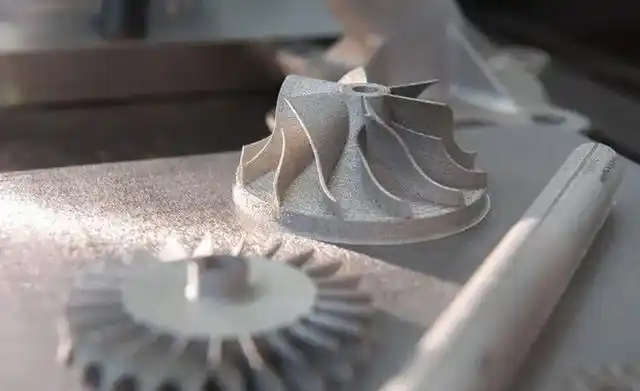
Fast sampling is the fastest way to win orders in the hardware machining and plastic mold industries.
how to operate a 3d printer
Fast sampling is the fastest way to win business in the hardware machining and plastic mold industries. Customers want a working sample in days, and a 3D printer delivers it, but only when it is operated correctly.
how to operate 3d printer

Fast sampling is the fastest way to win business in the hardware machining and plastic mold industries. Customers want a working sample in days, and a 3D printer delivers it, but only if the files you make are correct. Knowing how to make your own 3D print files turns a rough idea into a clean, accurate sample on the first attempt, without depending on anyone else's design.
how to make your own 3d print files

Fast sampling is the fastest way to win business in the hardware machining and plastic mold industries, and a 3D printer is also a business opportunity in its own right. Knowing how to make money 3D printing turns a useful tool into a dependable revenue stream that supports your shop.
how to make money 3d printing