
How 3D Printers Work: A Guide for Hardware & Plastic Mold Fast Sampling
Author: SZTC
2026-04-20


Samuel Song Your service representative
Specializing in zinc-aluminum-magnesium alloy die-casting processing, CNC milling, CNC turning, 3D printing, injection molding and sheet metal processing. Manufacturing services.
-----------------------------------------------------------------------------------------------------------------------------------------------------------------------------------------------------------------------------------------------------------------------------------------------------------------------------------------------
In hardware processing and plastic mold industries, fast sampling relies heavily on 3D printing, but many professionals wonder how 3D printers work to deliver precise, functional samples quickly. This guide breaks down the core process of 3D printing, its key steps, and how it adapts to the unique needs of these two industries for rapid prototyping.
1. The Basic Principle of How 3D Printers Work
At its core, how 3D printers work is based on additive manufacturing: building objects layer by layer from digital designs, unlike traditional subtractive methods that carve material from a block. This layer-by-layer approach enables speed, precision, and flexibility—critical for fast sampling.
1.1 Key Preparatory Step: Digital Design & Slicing
Before printing, a 3D CAD model is created and sliced into thin layers (0.03–0.2mm) via specialized software. This slicing step tells the printer how to build each layer, ensuring accuracy for hardware and mold samples.
1.2 Core Printing Process: Layer-by-Layer Construction
The printer reads sliced data, then deposits or cures material layer by layer. The material fuses with the previous layer, gradually forming the final 3D object. This process varies by technology but retains the same additive core.
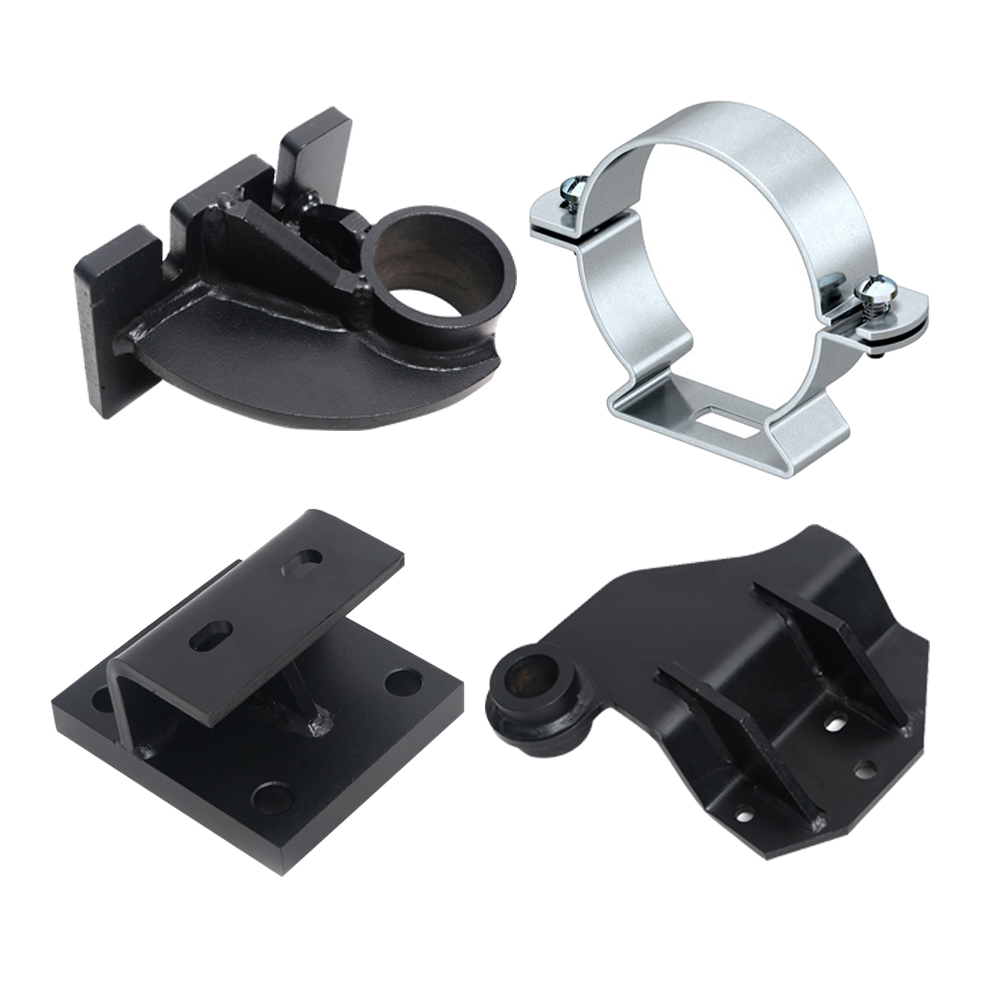
2. How 3D Printers Work for the Hardware Processing Industry
Hardware manufacturers use metal 3D printers, and understandinghow 3D printers work here helps optimize metal prototype sampling and tooling production.
2.1 Metal 3D Printing (SLM/DMLS)
For metal parts, printers use lasers to melt metal powder (e.g., 17-4PH stainless steel) layer by layer. The laser fuses powder particles into solid metal, creating durable prototypes in 6–24 hours for fast iterations.
2.2 Tooling Printing (FDM)
For jigs/fixtures, FDM printers melt engineering plastics and extrude them through a nozzle, building layers to form functional tooling samples quickly and cost-effectively.

3. How 3D Printers Work for the Plastic Mold Industry
Plastic mold sampling relies on resin and plastic 3D printers, with their working principles tailored to produce precise trial molds and prototypes.
3.1 Resin Printing (SLA) for Trial Molds
SLA printers use UV light to cure liquid resin layer by layer, creating high-precision mold inserts. This process ensures durability for 50–100 injection cycles, accelerating mold validation.
3.2 Plastic Prototyping (SLS/FDM)
SLS printers sinter plastic powder, while FDM extrudes plastic filaments, both building high-detail prototypes that match final product aesthetics, ideal for design testing.
Final Note: Understanding how 3D printers work helps hardware and mold manufacturers leverage this technology for fast sampling, reducing lead times and costs while ensuring quality.
How Do I Get Something 3D Printed for Hardware & Plastic Mold Fast Sampling
A and D Printing: A Game-Changer for Hardware & Plastic Mold Fast Sampling
Related Article

Fast sampling is the fastest way to win business in the hardware machining and plastic mold industries. Customers want a working sample in days, and a 3D printer delivers it, but only when you know how to print in 3d correctly.
how to print in 3d

Fast sampling is the fastest way to win business in the hardware machining and plastic mold industries. Customers often send an STL file and expect a working sample in days.
how to print an stl file

