
A and D Printing: A Game-Changer for Hardware & Plastic Mold Fast Sampling
Author: SZTZ
2026-04-20


Samuel Song Your service representative
Specializing in zinc-aluminum-magnesium alloy die-casting processing, CNC milling, CNC turning, 3D printing, injection molding and sheet metal processing. Manufacturing services.
-----------------------------------------------------------------------------------------------------------------------------------------------------------------------------------------------------------------------------------------------------------------------------------------------------------------------------------------------
In the competitive hardware processing and plastic mold industries, fast sampling is critical to accelerating product development and gaining market advantages. A and D printing, an advanced additive manufacturing technology, has become the go-to solution for rapid prototyping, solving traditional sampling bottlenecks. This blog explores how A and D printing works for these two industries, its core applications, and why it’s indispensable for fast sampling.
1. What is A and D Printing for Industrial Fast Sampling?
A and D printing, a specialized form of additive manufacturing, builds parts layer by layer using industrial-grade materials, differing from traditional subtractive manufacturing that removes material from a block[1][4]. It combines precision and speed, making it perfect for hardware and plastic mold fast sampling, where time and accuracy are paramount.
1.1 Core Advantages of A and D Printing
Compared to traditional sampling methods, A and D printing cuts lead times from weeks to hours, reduces material waste by over 60%, and enables complex geometries that traditional processes can’t achieve[3]. It also supports flexible small-batch sampling, ideal for design iterations.
1.2 Key Technologies for Industrial Use
For industrial sampling, A and D printing uses technologies like SLM/DMLS for metal parts and SLA/SLS for plastic molds, ensuring high precision and functional performance[4][7]. These technologies align with the strict standards of hardware and plastic mold manufacturing.

2. A and D Printing in the Hardware Processing Industry
Hardware manufacturers rely on A and D printing to produce high-quality metal prototypes and tooling quickly, streamlining design validation and reducing costs.
2.1 Metal Prototype Sampling
A and D printing uses materials like 17-4PH stainless steel and AlSi10Mg to create functional metal prototypes in 6–24 hours, with heat treatment to meet industrial hardness standards[4][7]. This replaces time-consuming CNC machining for fast iterations.
2.2 Custom Tooling Production
For jigs and fixtures, A and D printing uses engineering plastics via FDM technology, delivering cost-effective, on-demand tooling samples in 4–12 hours, supporting efficient hardware production[7][8].
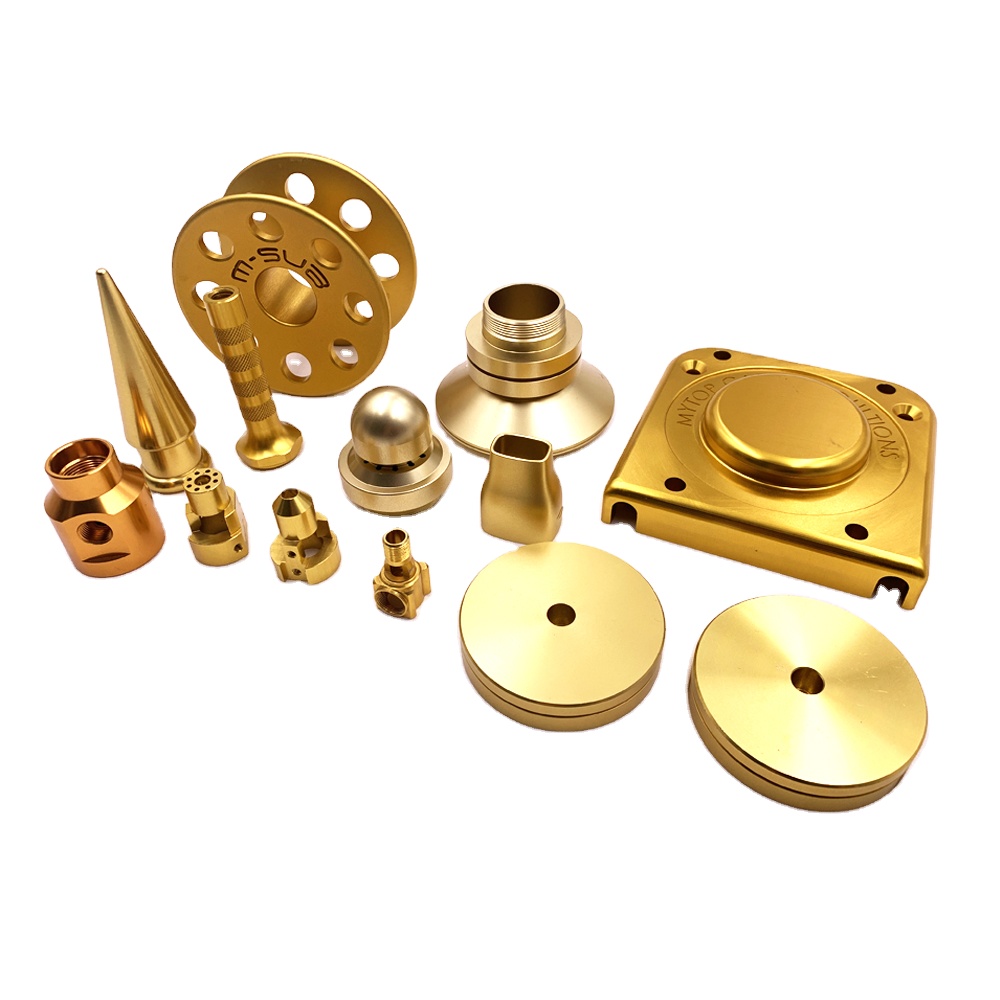
3. A and D Printing in the Plastic Mold Industry
In plastic mold manufacturing, A and D printing revolutionizes trial mold and prototype production, reducing development risks and accelerating time-to-market.
3.1 Trial Molds & Inserts
A and D printing uses high-temperature resins to produce trial mold inserts, durable for 50–100 injection cycles, cutting traditional mold development time by 85%[3][10]. This allows fast validation of mold designs before steel mold production.
3.2 Plastic Product Prototypes
High-detail A and D printing replicates final product aesthetics, using resins matching ABS/PC performance, ideal for client presentations and design testing[4][8]. It enables quick iterations to refine product designs.
Final Note: A and D printing transforms fast sampling for hardware and plastic mold industries, offering speed, precision, and cost savings. Embracing this technology helps manufacturers stay competitive in a fast-paced market.
How 3D Printers Work: A Guide for Hardware & Plastic Mold Fast Sampling
Where to Get Things 3D Printed? A Guide for Hardware & Plastic Mold Fast Sampling
Related Article

Fast sampling is the fastest way to win business in the hardware machining and plastic mold industries. Customers want a working sample in days, and a 3D printer delivers it, but only when you know how to print in 3d correctly.
how to print in 3d

Fast sampling is the fastest way to win business in the hardware machining and plastic mold industries. Customers often send an STL file and expect a working sample in days.
how to print an stl file

