
Can You Print a 3D Printer for Mold and Hardware Rapid Sampling
Author: SZTC
2026-06-04


Samuel Song Your service representative
Specializing in zinc-aluminum-magnesium alloy die-casting processing, CNC milling, CNC turning, 3D printing, injection molding and sheet metal processing. Manufacturing services.
-----------------------------------------------------------------------------------------------------------------------------------------------------------------------------------------------------------------------------------------------------------------------------------------------------------------------------------------------
Many manufacturers in hardware processing and plastic mold industries often raise the question: can you print a 3D printer for industrial rapid sampling work. While consumer-grade full 3D printer printing is impractical, printing functional 3D printer parts is completely achievable. It brings great convenience for factory prototype testing and equipment maintenance in mold and hardware production.
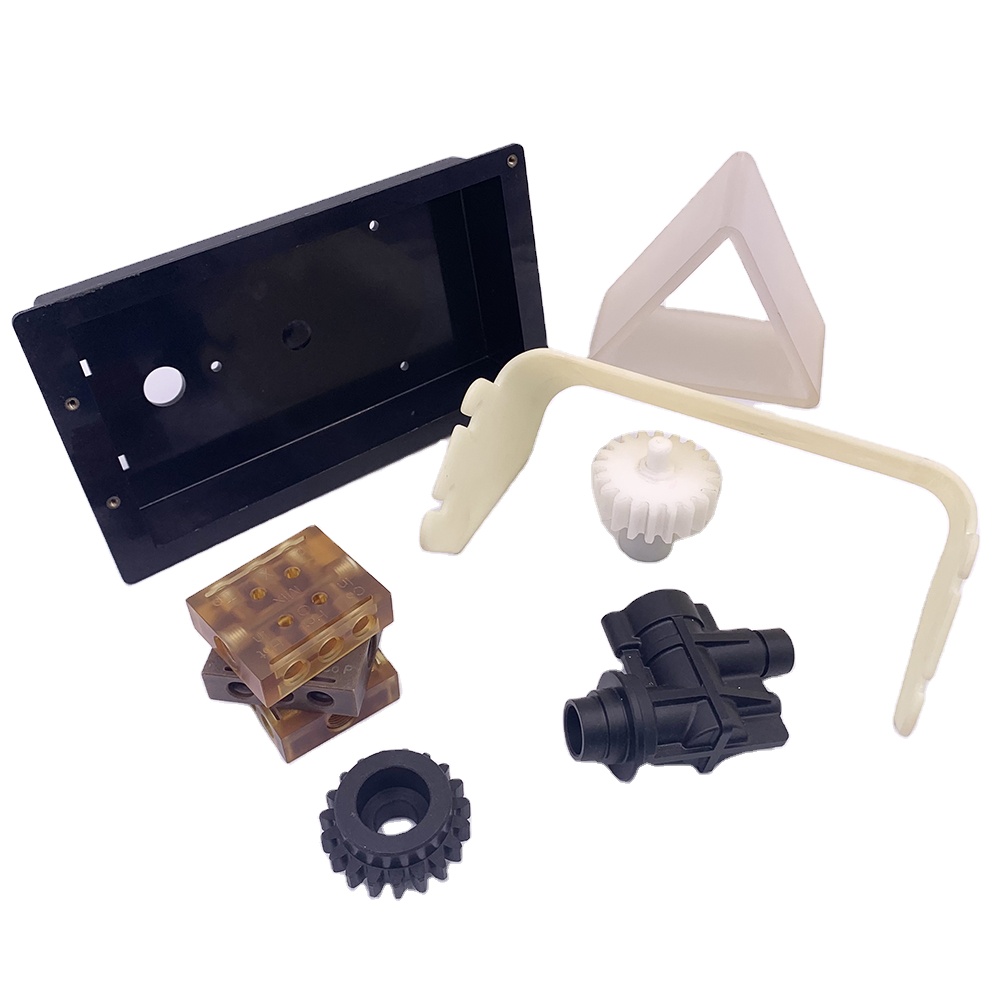
1. Feasibility of Printing 3D Printer Components
To answer can you print a 3D printer for industrial use, we need to distinguish full machine printing and component printing.
1.1 Printable Functional Parts
Factories can print most non-electronic 3D printer parts, including custom brackets, printing jigs, shell covers and support fixtures. These printed accessories perfectly match the equipment needs of mold sampling and hardware prototype printing.
1.2 Unprintable Core Components
Electronic modules, motors and precision transmission parts cannot be 3D printed. Therefore, can you print a 3D printer only applies to structural parts instead of a complete industrial 3D printer device.

2. Industrial Value of Printed 3D Printer Parts
Printing exclusive 3D printer parts offers practical advantages for mold and hardware manufacturing factories.
2.1 Support Custom Sampling Requirements
Factories can print customized printer accessories according to mold and hardware product features. Special clamping fixtures and protective shells optimize the 3D printing process for complex mold inserts and precision hardware parts.
2.2 Reduce Equipment Maintenance Costs
When original printer parts are worn or damaged, 3D printing alternative components can replace expensive official parts. This effectively reduces equipment downtime and maintenance costs for factory rapid sampling lines.
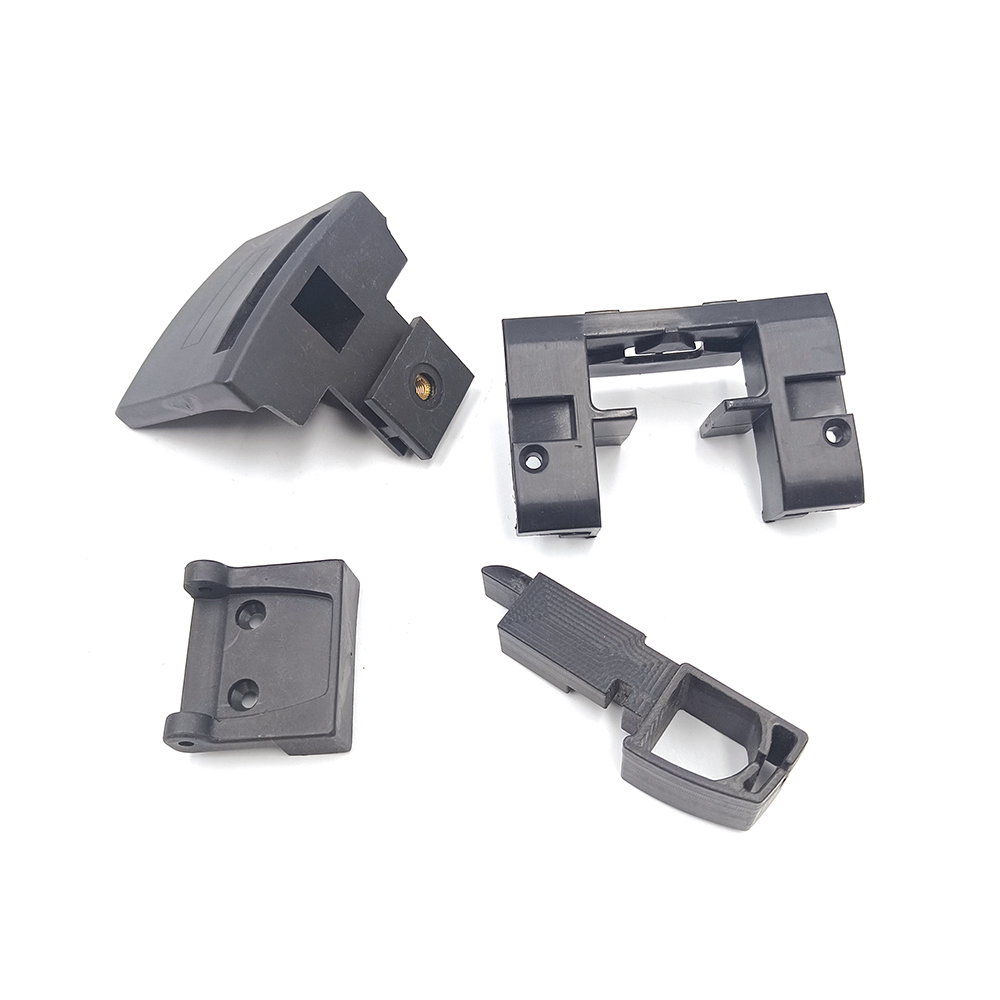
3. Application Tips for Printed Printer Parts
To maximize the value while answering can you print a 3D printer, standardized printing rules are essential.
3.1 Strict Structural Tolerance Control
Printed 3D printer structural parts need precise dimensional control. Stable structure and accurate assembly ensure consistent printing precision for subsequent mold and hardware sample production.
3.2 Select Industrial-Grade Materials
Using high-strength resin and engineering plastic materials can improve the durability of printed parts. It adapts to long-term continuous printing work for industrial rapid prototyping tasks.
In summary, can you print a 3D printer has a clear industrial answer. Factories cannot print a full 3D printer, but customized printed parts can greatly optimize equipment performance, stabilize sampling quality and improve production efficiency for hardware and plastic mold industries.
Do 3D Printers Come With Software for Industrial Rapid Sampling
A 3D Model: The Foundation of Fast Sampling for Mold and Hardware Production
Related Article

Fast sampling is the fastest way to win business in the hardware machining and plastic mold industries. Customers want a working sample in days, and a 3D printer delivers it, but only when you know how to print in 3d correctly.
how to print in 3d

Fast sampling is the fastest way to win business in the hardware machining and plastic mold industries. Customers often send an STL file and expect a working sample in days.
how to print an stl file

