
A 3D Model: The Foundation of Fast Sampling for Mold and Hardware Production
Author: SZTC
2026-06-04


Samuel Song Your service representative
Specializing in zinc-aluminum-magnesium alloy die-casting processing, CNC milling, CNC turning, 3D printing, injection molding and sheet metal processing. Manufacturing services.
-----------------------------------------------------------------------------------------------------------------------------------------------------------------------------------------------------------------------------------------------------------------------------------------------------------------------------------------------
In the hardware processing and plastic mold industries, rapid prototyping has become the core of efficient product development. A 3D model acts as the essential blueprint for 3D printing sampling, directly determining the precision, quality and success rate of printed prototypes. Without accurate structural data, fast and reliable mold and hardware sample production cannot be realized.
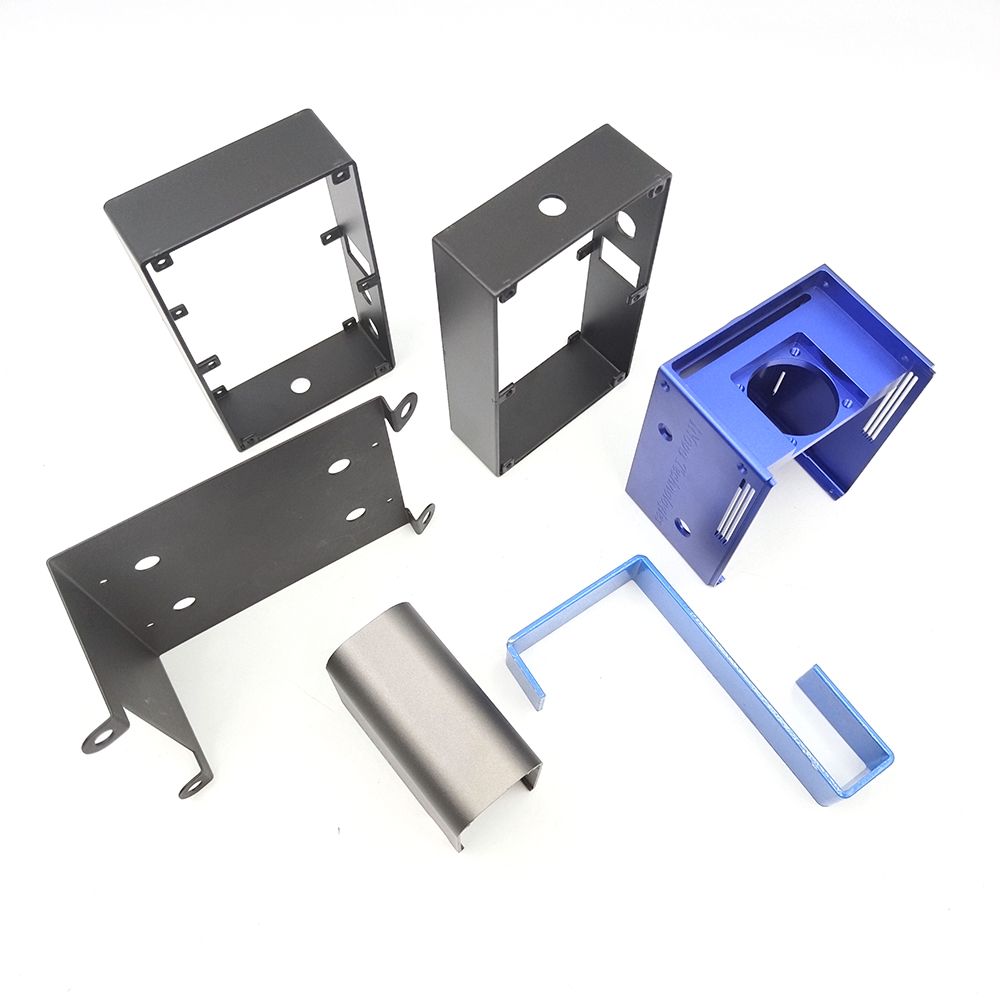
1. Core Functions of A 3D Model in Industrial Sampling
A 3D model converts abstract design ideas into printable digital structures, supporting standardized industrial rapid verification.
1.1 Restore Accurate Product Structures
A 3D model completely records the dimensions, tolerances and structural details of plastic mold cavities, hardware fixtures and custom accessories. It ensures that every printed sample is highly consistent with the original design, avoiding structural errors in assembly testing.
1.2 Support Print Parameter Optimization
Engineers can edit and optimize a 3D model before printing, adjusting wall thickness, adding support structures and fixing flawed geometries. This preprocessing effectively prevents printing deformation, layer cracking and sample scrapping.

2. How A 3D Model Accelerates Mold and Hardware Iteration
A high-quality a 3D model greatly shortens the entire R&D and sampling cycle for manufacturing enterprises.
2.1 Avoid Costly Premature Mold Opening
With a 3D model, factories can print trial samples for appearance inspection and assembly verification. Design flaws can be modified in digital files in advance, eliminating huge losses caused by blind steel mold production and repeated mold revisions.
2.2 Realize Fast Hardware Prototyping
For special-shaped hardware parts and customized jigs, a 3D model enables one-click printing and rapid iteration. It replaces slow traditional CNC trial processing and greatly improves development efficiency.
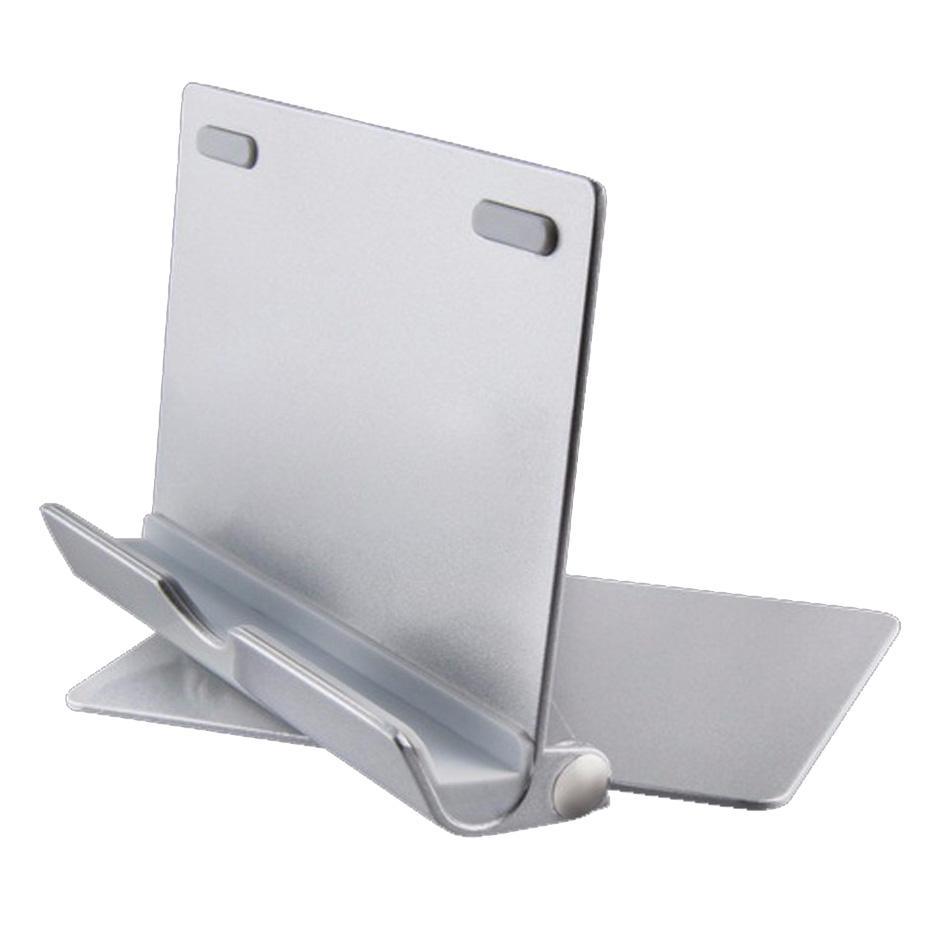
3. Industrial Standards for a Qualified A 3D Model
Only standardized files can meet the strict requirements of mold and hardware industrial sampling.
3.1 Complete and Closed Geometry
A qualified a 3D model features closed surfaces and no broken edges, which is the basic requirement for successful 3D printing. It guarantees stable layer stacking and uniform molding effect.
3.2 Industrial Tolerance Adaptation
Optimized for manufacturing, a 3D model reserves reasonable assembly tolerance for mold matching and hardware fitting. It ensures printed samples can truly simulate actual mass production performance.
To conclude, a 3D model is the core foundation of modern rapid sampling. It helps hardware and plastic mold factories reduce costs, shorten cycles and improve the overall success rate of product development.
Can You Print a 3D Printer for Mold and Hardware Rapid Sampling
A 3D Printing Solution for Hardware and Mold Rapid Sampling
Related Article

Fast sampling is the fastest way to win business in the hardware machining and plastic mold industries. Customers want a working sample in days, and a 3D printer delivers it, but only when you know how to print in 3d correctly.
how to print in 3d

Fast sampling is the fastest way to win business in the hardware machining and plastic mold industries. Customers often send an STL file and expect a working sample in days.
how to print an stl file

