
Aluminum Die Cast VS Zinc Die Cast: Cost, Weight & Application Comparison

When launching custom metal casting projects for electronic, automotive or telecommunication equipment, most global buyers and design engineers face a critical core material selection problem: should they choose aluminum die casting or zinc die casting for their components?
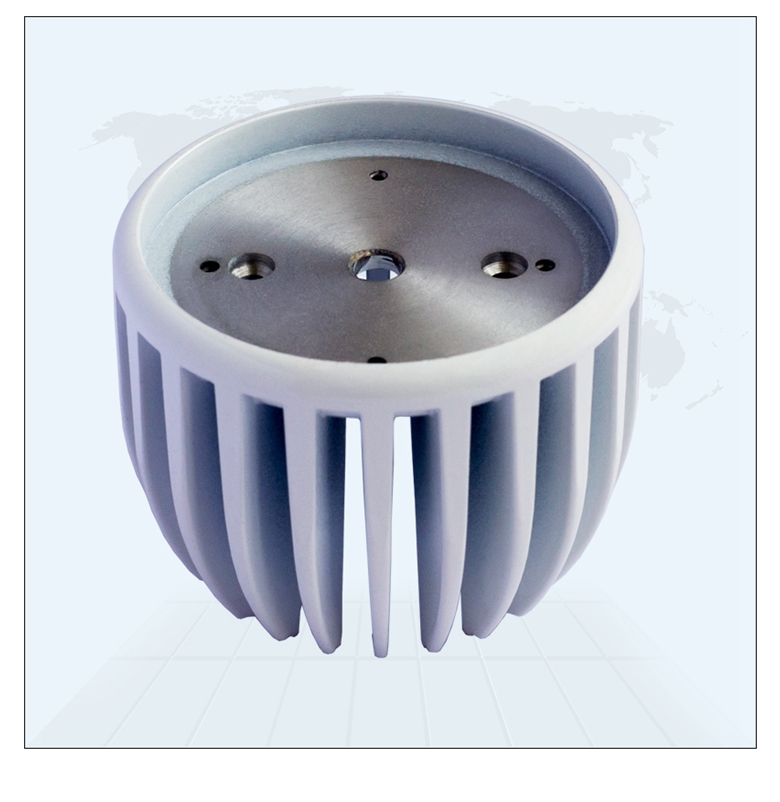
Although both alloys are the most widely used non-ferrous die-casting materials for custom precision metal parts, they have obvious disparities in raw material cost, component weight, mechanical properties, high-temperature resistance and surface forming performance.
In actual industrial procurement, many buyers and product designers tend to screen materials based on raw material price alone. This one-sided selection method frequently causes unqualified component performance, high on-production scrap rates, and invisible extra long-term after-sales and customization costs. To help global clients make scientific, cost-effective and project-matched material decisions, we conduct a full-dimensional comparison of these two mainstream die-casting alloys below.
We can clearly verify this viewpoint from our 10+ years of global mass production cases. A European new energy vehicle client once selected low-cost zinc alloy to replace aluminum alloy for automotive battery heat sink castings. The final batch of products failed formal vehicle standard tests due to poor high temperature resistance, resulting in obvious structural deformation after long-term on-board operation and full order rework. In another typical case, a North American telecom client blindly pursued ultra-lightweight parts and adopted aluminum die casting for low-load indoor equipment housings; this decision greatly raised raw material and secondary processing costs without bringing any upgrade to product use performance. These real industrial cases illustrate that die casting material selection cannot rely on a single indicator, and needs to comprehensively consider component working environment, load bearing requirements, weight limits and overall project budget.
To sum up, aluminum die casting and zinc die casting have their own irreplaceable application advantages and usage limitations. Neither alloy is universally better than the other in all industrial scenarios. The optimal solution is to match the most suitable alloy according to your actual product working conditions, which is the core standard to balance production cost, product qualification rate and long-term operational stability. In the next section, we will break down their key differences in weight, raw material cost, mechanical parameters and typical applicable industrial scenarios for your direct project reference.
Common Defects of Die Cast Components & Preventive Solutions
Magnesium Alloy Die Casting for Lightweight Automotive Components


For more questions please
contact us

+86 755 28280203


315 PING 'AN AVENUE, PINGHU STREET, LONGGANG DISTRICT, SHENZHEN CITY, GUANGDONG PROVINCE