
A 3D Printing Solution for Hardware and Mold Rapid Sampling
Author: SZTC
2026-06-03


Samuel Song Your service representative
Specializing in zinc-aluminum-magnesium alloy die-casting processing, CNC milling, CNC turning, 3D printing, injection molding and sheet metal processing. Manufacturing services.
-----------------------------------------------------------------------------------------------------------------------------------------------------------------------------------------------------------------------------------------------------------------------------------------------------------------------------------------------
For hardware processing and plastic mold manufacturing industries, traditional prototype production is time-consuming and costly. Adopting a 3D printing device has become a standard method for fast sample verification, helping factories optimize design schemes and shorten product development cycles. This article explores why a 3D printing system is essential for modern industrial rapid sampling work.
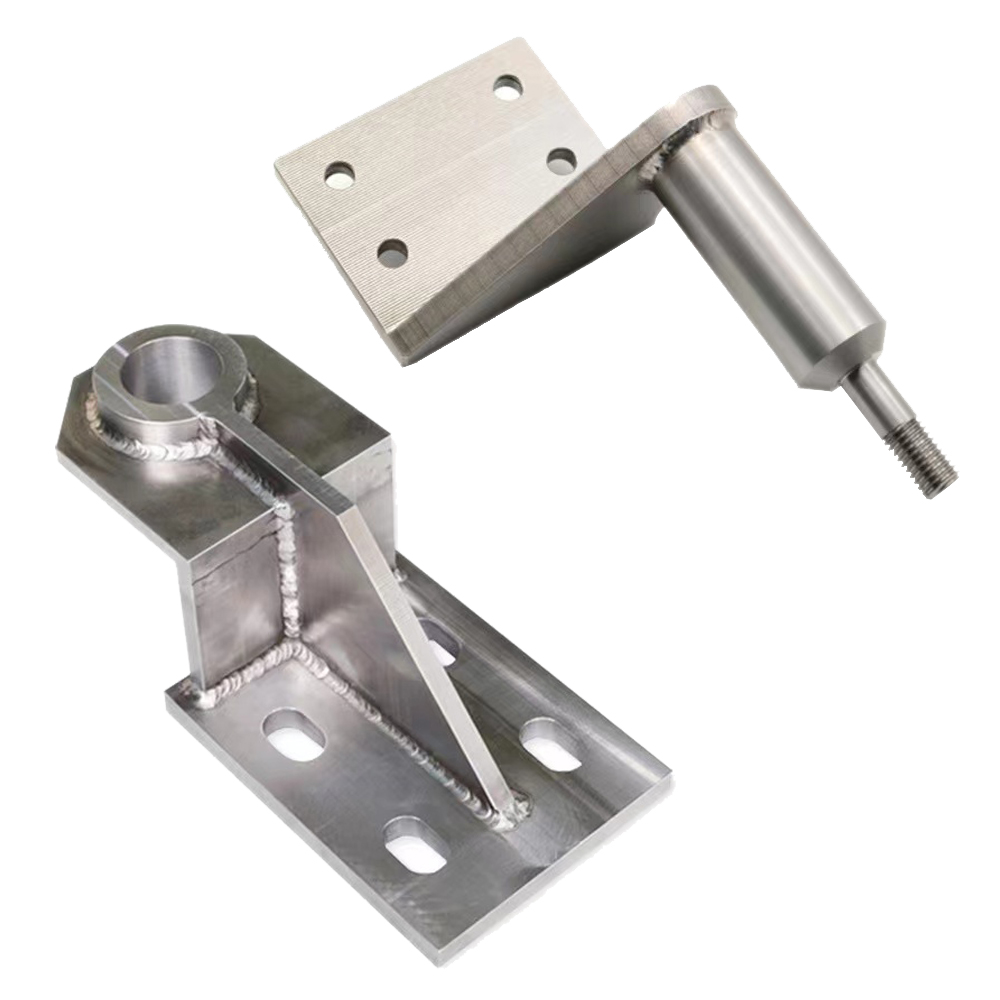
1. Core Advantages of A 3D Printing for Industrial Prototyping
A 3D printing machine perfectly solves the pain points of conventional mold and hardware sample production, bringing unique industrial value.
1.1 Ultra-Fast Sample Output
Different from tedious CNC machining and mold opening processes, a 3D printer can complete prototype production within several hours. It supports rapid manufacturing of plastic mold cavities, hardware fixtures and special-shaped structural parts, realizing quick design confirmation.
1.2 High Adaptability to Complex Structures
Many intricate mold structures and customized hardware accessories are difficult to process traditionally. A 3D printing solution easily achieves complex hollow structures, fine grooves and irregular shapes, fully meeting industrial precision sampling needs.

2. Cost-Saving Benefits for Factories
Equipping a 3D printing workstation greatly reduces the overall operating cost of mold and hardware research and development.
2.1 Cut Unnecessary Tooling Costs
Enterprises no longer need to make formal steel molds for preliminary testing. A 3D printed sample can complete assembly testing, appearance verification and structural inspection, saving expensive mold modification fees.
2.2 Reduce Material Waste
Traditional subtractive processing causes massive raw material loss. As an additive manufacturing technology, a 3D printer only uses required materials, effectively lowering the material cost of hardware and mold sampling.

3. Application Value for Product Iteration
A 3D printing tool accelerates the iteration speed of new hardware and plastic mold products.
3.1 Flexible Design Modification
Engineers can adjust 3D models arbitrarily and print new samples immediately. This flexible mode supports repeated testing and optimization, greatly improving the rationality of final mold and hardware products.
3.2 Support Small-Batch Trial Production
Besides sampling, a 3D printing device can also complete small-batch trial production of parts. It helps factories complete market testing without large-scale production investment.
In short, a 3D printing solution has become an indispensable tool for hardware and plastic mold industries. It balances speed, cost and precision, bringing efficient and reliable support for industrial rapid prototyping and product innovation.
A 3D Model: The Foundation of Fast Sampling for Mold and Hardware Production
Why Was 3D Printing Created for Mold & Hardware Manufacturing
Related Article

Fast sampling is the fastest way to win business in the hardware machining and plastic mold industries. Customers want a working sample in days, and a 3D printer delivers it, but only when you know how to print in 3d correctly.
how to print in 3d

Fast sampling is the fastest way to win business in the hardware machining and plastic mold industries. Customers often send an STL file and expect a working sample in days.
how to print an stl file

