
Why Was 3D Printing Created for Mold & Hardware Manufacturing
Author: SZTC
2026-06-02


Samuel Song Your service representative
Specializing in zinc-aluminum-magnesium alloy die-casting processing, CNC milling, CNC turning, 3D printing, injection molding and sheet metal processing. Manufacturing services.
-----------------------------------------------------------------------------------------------------------------------------------------------------------------------------------------------------------------------------------------------------------------------------------------------------------------------------------------------
Many factory engineers and manufacturers often ask why was 3D printing created and how it revolutionizes traditional production. Born to solve industrial manufacturing pain points, 3D printing has become essential for fast sampling in hardware processing and plastic mold industries. Its original creation purpose perfectly fits modern rapid prototyping and product iteration demands.
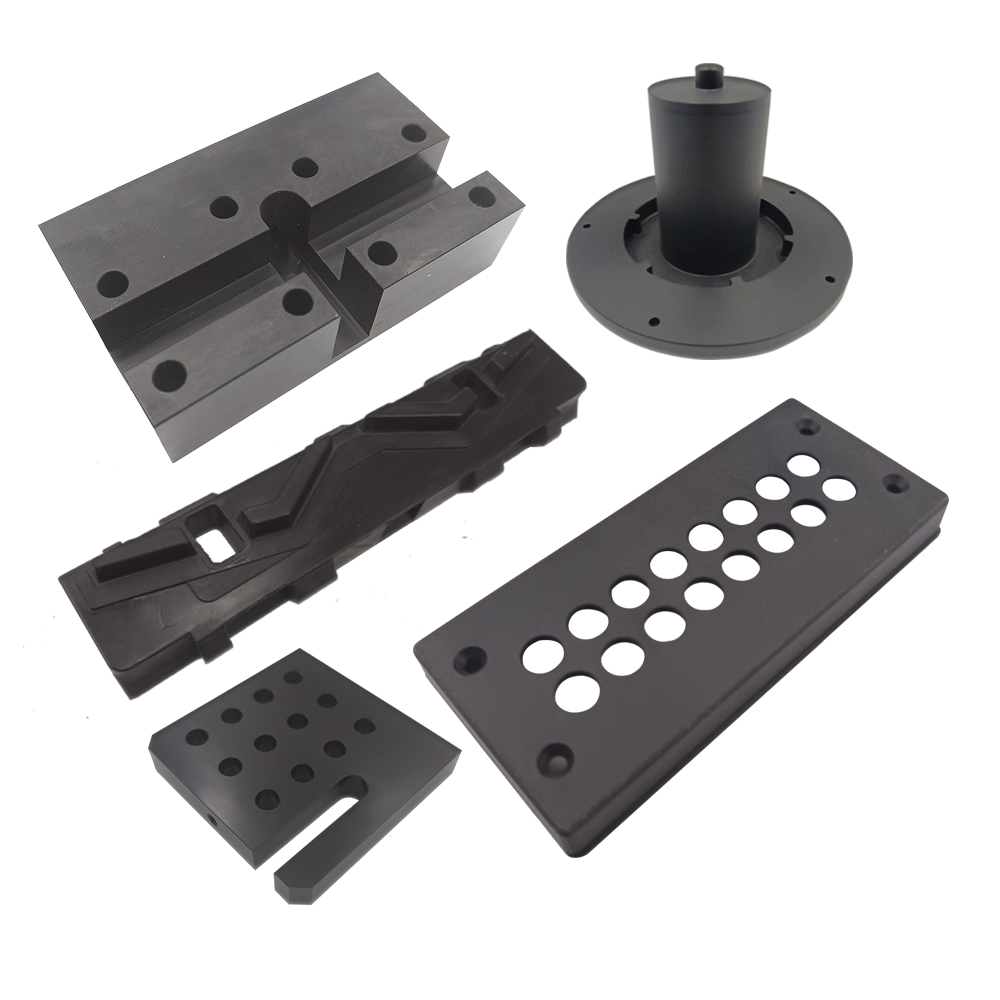
1. To Solve Traditional Manufacturing Limitations
The core reason explaining why was 3D printing created is to break the bottlenecks of subtractive manufacturing.
1.1 Eliminate High Material Waste
Traditional CNC cutting for hardware parts and mold blanks removes excess materials, causing huge waste. 3D printing adopts additive manufacturing, stacking materials only where needed. This creation greatly reduces material loss and lowers production costs for industrial sampling.
1.2 Overcome Structural Processing Barriers
Conventional machining struggles with complex hollow structures, deep grooves and irregular shapes common in mold inserts and custom hardware. 3D printing was created to produce these intricate structures freely without complicated tooling setup.

2. To Shorten Lengthy R&D and Sampling Cycles
Another key purpose of why was 3D printing created is to accelerate industrial product development.
2.1 Skip Complicated Mold Opening Processes
In the past, verifying plastic product designs required expensive steel mold opening, which took weeks or months. 3D printing was created to produce precise plastic mold samples within hours, enabling fast structural and assembly tests.
2.2 Speed Up Hardware Prototype Iteration
Custom hardware jigs and special-shaped accessories once needed repeated machining and manual adjustment. 3D printing allows one-click rapid sampling, supporting continuous design optimization for hardware manufacturers.
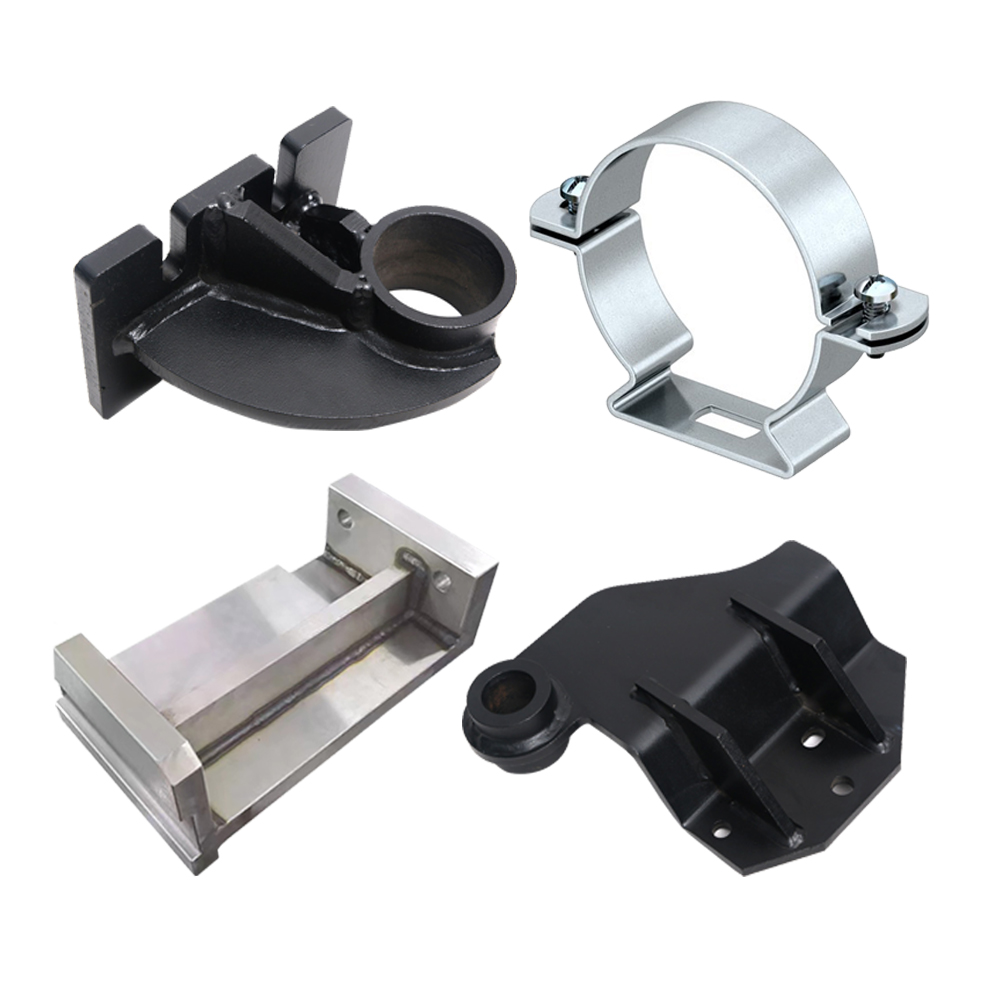
3. To Reduce Industrial Production Risks and Costs
The ultimate industrial value answers why was 3D printing created for mold and hardware industries.
3.1 Avoid Massive Mold Modification Losses
Traditional mold production often faces structural defects after mass production. 3D printing creates trial samples in advance to detect design flaws, avoiding costly mold revisions and production failures.
3.2 Support Low-Cost Customization
3D printing was created to meet personalized and small-batch industrial demands. It helps hardware and mold factories complete customized sampling without high tooling investment, improving market competitiveness.
In conclusion,why was 3D printing created lies in solving traditional manufacturing defects, shortening R&D cycles and cutting industrial costs. Today, it remains the most efficient solution for rapid sampling in hardware processing and plastic mold production.
A 3D Printing Solution for Hardware and Mold Rapid Sampling
Where to Print STL Files for Hardware and Plastic Mold Rapid Sampling
Related Article

Fast sampling is the fastest way to win business in the hardware machining and plastic mold industries. Customers want a working sample in days, and a 3D printer delivers it, but only when you know how to print in 3d correctly.
how to print in 3d

Fast sampling is the fastest way to win business in the hardware machining and plastic mold industries. Customers often send an STL file and expect a working sample in days.
how to print an stl file

