
A 3D Printed Future: Transforming Hardware Processing & Plastic Mold Industries
Author: SZTC
2026-03-13


Samuel Song Your service representative
Specializing in zinc-aluminum-magnesium alloy die-casting processing, CNC milling, CNC turning, 3D printing, injection molding and sheet metal processing. Manufacturing services.
-----------------------------------------------------------------------------------------------------------------------------------------------------------------------------------------------------------------------------------------------------------------------------------------------------------------------------------------------
For professionals in the hardware processing and plastic mold industries, a 3D printed part is no longer a novelty—it’s a practical, cost-effective solution that’s reshaping how we design, prototype, and produce. From custom hardware components to precision mold inserts, a 3D printed product offers unmatched flexibility, speed, and efficiency that traditional manufacturing methods struggle to match. In this blog, we’ll explore what a 3D printed item means for your industry, how 3D printing works to create these products, and the real-world applications of a 3D printed approach in hardware processing and plastic mold manufacturing, all organized with clear three-level headings.
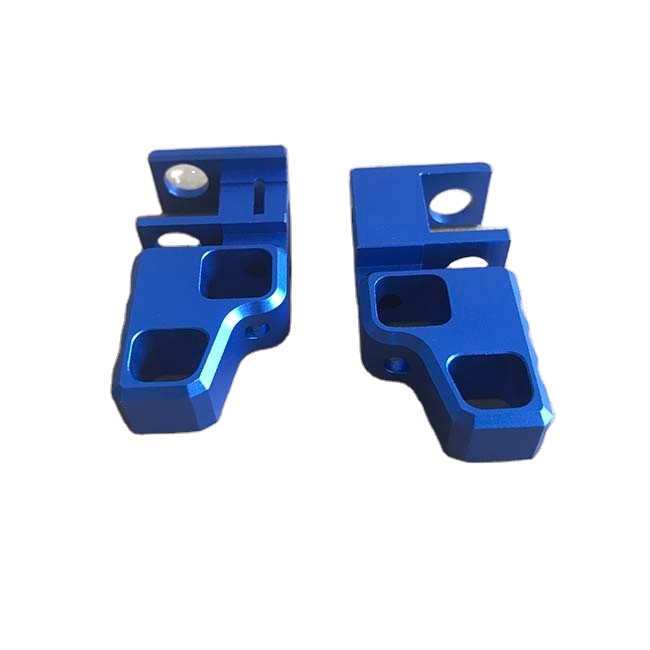
1. What Is a 3D Printed Product, and Why Does It Matter for Your Industry?
1.1 Defining a 3D Printed Item for Manufacturing
A 3D printed product is a three-dimensional solid object created through additive manufacturing (AM)—a process that builds objects layer by layer from a digital design file, rather than cutting or carving material from a larger block. For hardware processing and plastic mold professionals, a 3D printed part isn’t just a “printed object”; it’s a tool that solves industry pain points: complex geometries, small-batch production, and long lead times. Unlike traditionally machined hardware or mold components, a 3D printed item can be customized quickly, use less material, and incorporate intricate features that are impossible with subtractive manufacturing.
1.2 How a 3D Printed Part Differs from Traditional Products
In hardware processing, a traditional metal bracket or fastener is milled from a solid metal block, generating scrap and limiting design flexibility. A 3D printed hardware component, by contrast, is built layer by layer with only the material needed, reducing waste by up to 90%. For plastic mold manufacturing, a traditional mold insert is carved from steel over days or weeks; a 3D printed mold insert can be produced in 24 hours, with internal channels or undercuts that traditional machining can’t achieve. The key difference? A 3D printed product is designed for efficiency, customization, and speed—perfect for the fast-paced needs of your industry.
1.3 The Value of a 3D Printed Approach in Hardware & Mold Work
For your industry, a 3D printed approach isn’t just about “new technology”—it’s about tangible value. A 3D printed prototype lets you test hardware designs in days instead of weeks, reducing the risk of costly mistakes during mass production. A 3D printed mold insert cuts development time by 70%, getting your plastic products to market faster. Even small-batch hardware production benefits: a 3D printed custom component eliminates the need for expensive tooling, making low-volume orders profitable. In short, a 3D printed solution empowers your business to be more agile and competitive.

2. How to Create a 3D Printed Product: The Core Process for Your Industry
2.1 Step 1: Design a Digital Model for a 3D Printed Part
The first step to creating a 3D printed hardware component or mold part is designing a digital 3D model using industry-standard CAD software (e.g., SolidWorks, AutoCAD, UG). For hardware processing, this means modeling custom gears, brackets, or fasteners with precise dimensions and functional features. For plastic mold manufacturing, you’ll design mold inserts, cavity cores, or even full mold cavities—all tailored to your product’s specifications. If you don’t have in-house design, you can scan existing parts to create a digital model or use industry-specific templates. The final model is saved as an STL file, which contains all the data needed to produce a 3D printed item.
2.2 Step 2: Prepare the Model for a 3D Printed Output
Once you have your STL file, you’ll use industrial-grade slicing software (e.g., Cura, PrusaSlicer) to prepare it for printing. This software slices the 3D model into hundreds of thin horizontal layers and converts it into G-code—precise instructions that tell the 3D printer how to build a 3D printed part. For your industry, this step is critical: you can adjust layer thickness (10 micrometers for precision mold parts, 50 micrometers for hardware prototypes) and material settings to ensure a 3D printed product meets your strict tolerance requirements.
2.3 Step 3: Produce a 3D Printed Part for Industry Use
With the sliced file loaded into an industrial 3D printer, the process of creating a 3D printed product begins. The printer follows the G-code, laying down material layer by layer. For hardware processing, common materials for a 3D printed part include metal powders (stainless steel, aluminum) for functional components and engineering plastics (ABS, PETG) for prototypes. For plastic mold manufacturing, resin or metal is used to print mold inserts or cavities. After printing, the 3D printed item is removed from the printer bed, support structures are trimmed, and it’s ready for use—whether as a hardware prototype, a functional component, or a mold insert.

3. A 3D Printed Solution: Applications in Hardware & Plastic Mold Industries
3.1 Key 3D Printing Technologies for Creating a 3D Printed Part
Not all 3D printing technologies are ideal for producing a 3D printed part for your industry. Below are the most widely used methods, each tailored to hardware processing and plastic mold needs:
-
Fused Deposition Modeling (FDM): Perfect for low-cost prototypes of a 3D printed hardware part (e.g., brackets, handles) or plastic mold prototypes. It uses thermoplastic filaments (ABS, PLA) and is easy to integrate into small to medium-sized facilities, making it ideal for testing design iterations before mass production.
-
Stereolithography (SLA): Used to create a 3D printed part with high precision, such as small hardware components with intricate features or plastic mold inserts. It uses UV-cured resin to produce smooth, detailed surfaces that meet the strict standards of mold manufacturing.
-
Powder Bed Fusion (SLS/SLM): The top choice for a 3D printed functional hardware part or metal mold component. It uses a laser to fuse metal powders into solid objects, creating durable, high-strength parts that can replace traditionally machined hardware or mold inserts—ideal for complex designs.
3.2 Practical Uses of a 3D Printed Part in Your Industry
A 3D printed part has become an integral part of daily operations in hardware processing and plastic mold manufacturing, with applications that save time, reduce costs, and improve quality:
-
Hardware Processing: A 3D printed part is used for custom components, rapid prototyping, and small-batch production. For example: Case 1: A hardware manufacturer used SLS 3D printing to create a 3D printed nylon glass fiber housing for industrial electric tools. This 3D printed part was 25% lighter than traditional metal housings, integrated mounting points and heat dissipation fins, and reduced assembly time by 50%. Case 2: A processing factory solved equipment jamming by creating a 3D printed paper folding component with FDM technology. This 3D printed part had a streamlined arc design, and two iterations were completed in one afternoon—cutting the development cycle by 90% compared to traditional machining. A 3D printed prototype gear can be produced in a day, letting you test functionality before investing in expensive tooling.
-
Plastic Mold Manufacturing: A 3D printed part revolutionizes mold development. A 3D printed mold insert can be produced in 24 hours (vs. 5-7 days for traditional machining), and a 3D printed mold cavity can include complex internal channels or undercuts that are impossible with subtractive methods. This reduces mold maintenance costs and improves the quality of plastic parts.
In summary, a 3D printed part is more than just a product—it’s a catalyst for innovation in the hardware processing and plastic mold industries. By embracing a 3D printed approach, you can streamline production, reduce costs, and unlock new design possibilities, keeping your business ahead of the competition in an ever-evolving market.
What 3D Printing Is: A Game-Changer for Hardware Processing and Plastic Mold Industries
What Is 3D Printing? A Guide for Hardware Processing & Plastic Mold Industries
Related Article

Fast sampling is the fastest way to win business in the hardware machining and plastic mold industries. Customers want a working sample in days, and a 3D printer delivers it, but only when you know how to print in 3d correctly.
how to print in 3d

Fast sampling is the fastest way to win business in the hardware machining and plastic mold industries. Customers often send an STL file and expect a working sample in days.
how to print an stl file

