
What is Plastic Injection Molding?
Author: SZTC
2025-04-14
Plastic injection molding is a widely used manufacturing process for producing plastic parts in large quantities. It is a highly efficient and cost - effective method that allows for the creation of complex - shaped plastic components with consistent quality.
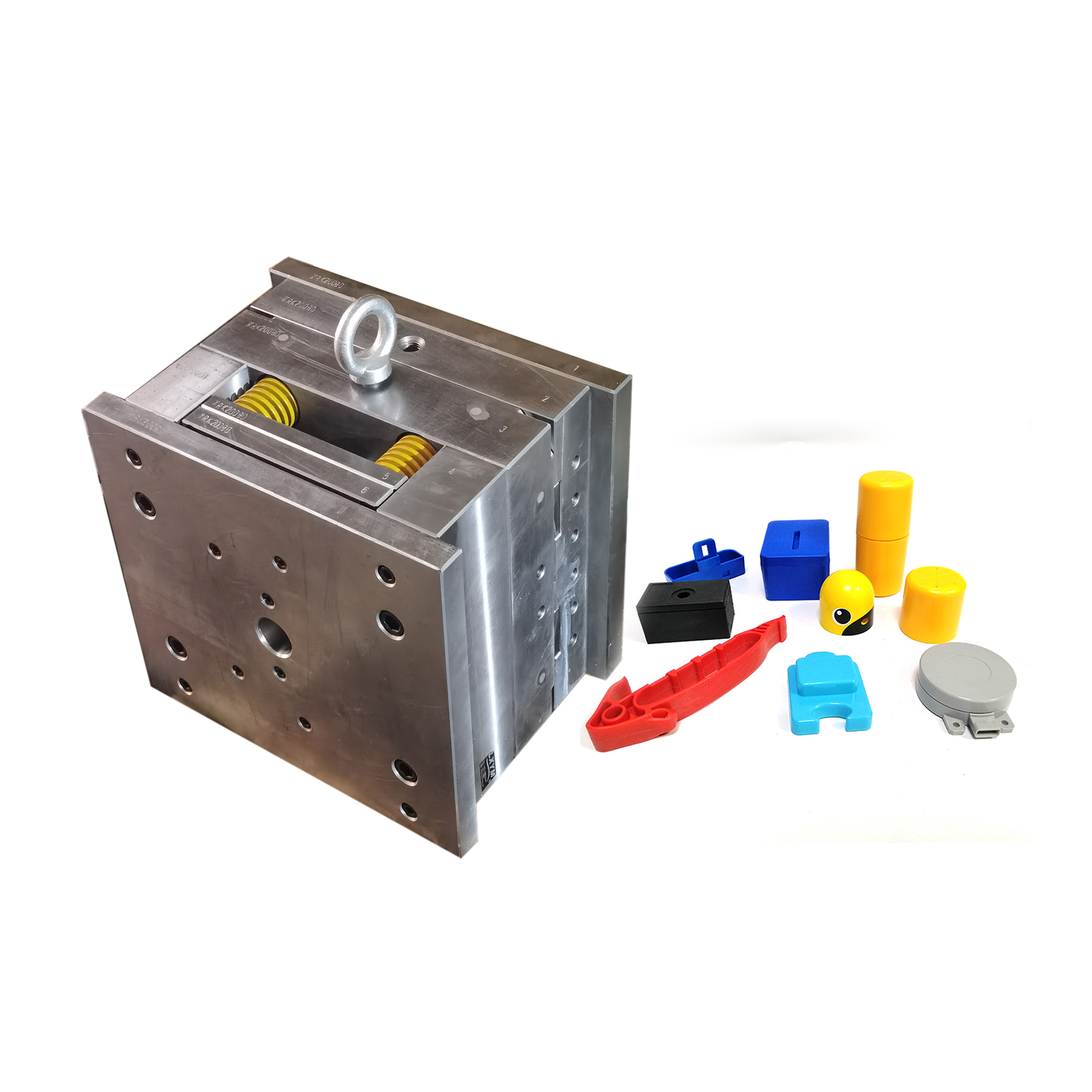
The Basics of Plastic Injection Molding
At its core, plastic injection molding involves injecting molten plastic material into a mold cavity. The mold is typically made of steel or aluminum and is designed to the exact shape of the desired plastic part. Once the molten plastic is injected into the mold, it cools and solidifies, taking on the shape of the mold cavity. After the plastic has solidified, the mold is opened, and the finished part is ejected.
Materials Used in Plastic Injection Molding
A wide variety of plastic materials can be used in the injection molding process. Some of the most common plastics include polyethylene (PE), polypropylene (PP), polystyrene (PS), acrylonitrile - butadiene - styrene (ABS), and polycarbonate (PC). Each plastic material has its own unique properties, such as strength, flexibility, heat resistance, and chemical resistance. This allows manufacturers to choose the most suitable plastic for a particular application. For example, polycarbonate is often used in applications where high impact resistance and optical clarity are required, such as in the production of safety goggles and automotive headlamp lenses.
The Injection Molding Machine
The injection molding machine is the key piece of equipment in the plastic injection molding process. It consists of three main components: the injection unit, the clamping unit, and the control unit.
- Injection Unit: This is where the plastic material is heated and melted. The plastic pellets are fed into a hopper and then into a heated barrel. A screw inside the barrel rotates, pushing the plastic pellets forward and melting them as they move along the barrel. The molten plastic is then forced through a nozzle and into the mold cavity.
- Clamping Unit: The clamping unit is responsible for holding the mold closed during the injection process. It applies a high - pressure force to keep the two halves of the mold tightly together, preventing the molten plastic from escaping. Once the plastic has solidified, the clamping unit opens the mold, allowing the finished part to be removed.
- Control Unit: The control unit regulates the entire injection molding process. It controls parameters such as the temperature of the barrel, the speed and pressure of the injection, and the cooling time. By precisely controlling these parameters, manufacturers can ensure the consistent quality of the plastic parts being produced.

The Plastic Injection Molding Process in Detail
- Mold Design and Preparation
- Design Phase: The first step in the plastic injection molding process is the design of the mold. This is a crucial stage as the mold design will determine the shape, size, and surface finish of the final plastic part. Mold designers use computer - aided design (CAD) software to create a 3D model of the mold. They take into account factors such as the part's functionality, manufacturability, and any necessary draft angles (slight tapering of the part to allow for easy removal from the mold).
- Mold Manufacturing: Once the mold design is complete, the mold is manufactured. This typically involves machining the mold cavities and cores from steel or aluminum blocks. The machining process is highly precise to ensure that the mold has the correct dimensions and surface finish. After machining, the mold may be polished, textured, or engraved to achieve the desired surface characteristics of the plastic part.
- Plastic Material Preparation
- Drying: Many plastic materials absorb moisture from the air, which can cause defects in the final plastic part. Therefore, before using the plastic in the injection molding process, it often needs to be dried. This is usually done in a drying oven or a desiccant dryer. The drying time and temperature depend on the type of plastic material. For example, hygroscopic plastics like nylon require more thorough drying compared to non - hygroscopic plastics like polyethylene.
- Coloring and Additives: If the plastic part needs to be a specific color, colorants can be added to the plastic material. These can be in the form of masterbatches, which are concentrated mixtures of color pigment and plastic resin. Additionally, various additives can be incorporated into the plastic to enhance its properties. For instance, flame retardants can be added to make the plastic more fire - resistant, or antioxidants can be added to improve its resistance to degradation over time.
- Injection Molding
- Filling the Mold: The injection molding machine is set up with the prepared mold and plastic material. The molten plastic is injected into the mold cavity at a high pressure. The injection pressure and speed are carefully controlled to ensure that the mold is filled evenly and completely. If the injection pressure is too low, the mold may not fill properly, resulting in a part with voids or incomplete sections. On the other hand, if the pressure is too high, it can cause the plastic to flash (leak out of the mold along the parting lines), creating unwanted excess material on the part.
- Packing and Holding: After the mold is filled, a slightly lower pressure, known as the packing pressure, is applied for a short period. This helps to compensate for the shrinkage of the plastic as it cools and solidifies. The holding time is also an important parameter. If the holding time is too short, the part may not be properly packed, leading to sink marks or dimensional inaccuracies.
- Cooling: Once the packing and holding stages are complete, the plastic part is allowed to cool inside the mold. The cooling time is determined by factors such as the thickness of the part and the type of plastic material. Thicker parts generally require longer cooling times. Efficient cooling is essential to ensure that the part has the correct shape and dimensional stability when it is ejected from the mold.
- Part Ejection and Finishing
- Ejection: When the plastic part has cooled sufficiently, the clamping unit of the injection molding machine opens the mold, and the ejection system pushes the finished part out of the mold cavity. The ejection system typically consists of ejector pins or sleeves that are located in strategic positions in the mold.
- Trimming and Deburring: After ejection, the plastic part may have some excess material, such as runners (the channels through which the molten plastic flowed into the mold) and gates (the small openings where the plastic entered the mold cavity). These need to be trimmed off. Additionally, there may be burrs or rough edges on the part, which can be removed through processes like deburring, sanding, or polishing.
- Secondary Operations: In some cases, the plastic part may require additional secondary operations. This could include painting, plating, printing, or assembly with other components. For example, a plastic housing for an electronic device may need to be painted to match a specific color scheme or printed with product labels and instructions.

Applications of Plastic Injection Molding
- Automotive Industry
- Interior Components: Plastic injection molding is widely used in the production of automotive interior components. For example, dashboard panels, door trims, and center consoles are often made using this process. Plastics offer advantages such as lightweight construction, which helps to improve fuel efficiency, and the ability to be molded into complex shapes, allowing for ergonomic designs.
- Exterior Components: Many automotive exterior components are also produced through plastic injection molding. Bumpers, side mirrors, and grille inserts are common examples. Plastics used in these applications are often engineered to have high impact resistance, UV stability, and weather resistance to withstand the harsh outdoor conditions.
- Consumer Goods
- Electronics: The consumer electronics industry heavily relies on plastic injection molding. Products such as mobile phone cases, laptop housings, and television bezels are all made using this process. Plastics can provide electrical insulation, which is crucial for electronic devices, and can be easily customized in terms of shape, color, and texture to meet consumer aesthetic preferences.
- Toys and Sporting Goods: Toys and sporting goods are also commonly manufactured through plastic injection molding. From action figures and building blocks to helmets and sports equipment casings, the process allows for the mass production of high - quality, durable plastic items. The ability to create intricate details in toys and the strength - to - weight ratio benefits in sporting goods make plastic injection molding an ideal choice.
- Medical Field
- Disposable Medical Devices: Plastic injection molding is extensively used in the production of disposable medical devices such as syringes, intravenous (IV) tubing, and catheters. Plastics are biocompatible and can be produced in a sterile environment, making them suitable for single - use medical applications. The high - volume production capabilities of injection molding also help to keep the cost of these essential medical items down.
- Medical Equipment Components: Many components of medical equipment, such as housings for diagnostic devices and parts of surgical instruments, are made using plastic injection molding. The process enables the production of parts with precise tolerances, which is critical for the proper functioning of medical equipment.
In conclusion, plastic injection molding is a versatile and indispensable manufacturing process. Its ability to produce complex - shaped plastic parts in large quantities with consistent quality makes it a preferred choice across a wide range of industries. As technology continues to advance, the plastic injection molding process is also evolving, becoming more efficient and capable of producing even more sophisticated plastic components.
how does injection molding work?
What is Injection Molding? A Comprehensive Guide
Related Article

Fast sampling is the fastest way to win business in the hardware machining and plastic mold industries. Customers want a working sample in days, and a 3D printer delivers it, but only when you know how to print in 3d correctly.
how to print in 3d

Fast sampling is the fastest way to win business in the hardware machining and plastic mold industries. Customers often send an STL file and expect a working sample in days.
how to print an stl file

