
What Are Automotive Parts: A Comprehensive Guide
Author: SZTC
2025-04-17
Introduction
Automotive parts are the building blocks that make up a vehicle. They are the components, assemblies, and sub - assemblies that work together to ensure a car functions properly, from the moment you turn the key in the ignition to the time you reach your destination. Understanding automotive parts is not only crucial for car enthusiasts and mechanics but also for everyday drivers who want to have a basic knowledge of how their vehicles operate.

Major Categories of Automotive Parts
Engine Parts
- Cylinder Block
The cylinder block is the main structure of the engine. It houses the cylinders, pistons, and other moving parts. Made of cast iron or aluminum alloy, it must be strong enough to withstand the high pressures generated during the engine's operation. For example, in a V - 6 engine, the cylinder block is designed with two banks of three cylinders each, carefully engineered to provide smooth power delivery.
- Pistons and Connecting Rods
Pistons are cylindrical components that move up and down within the cylinders. They are connected to the crankshaft by connecting rods. As the fuel - air mixture ignites in the cylinder, the pressure forces the piston down, which in turn rotates the crankshaft. High - performance engines often use lightweight pistons made of forged aluminum to reduce reciprocating mass and improve engine response.
- Crankshaft
The crankshaft is responsible for converting the linear motion of the pistons into rotational motion. It is a complex and highly engineered part, with journals and counterweights. The counterweights help balance the forces generated during the engine's operation, reducing vibration and ensuring smooth running. A well - designed crankshaft is essential for the engine's durability and efficiency.
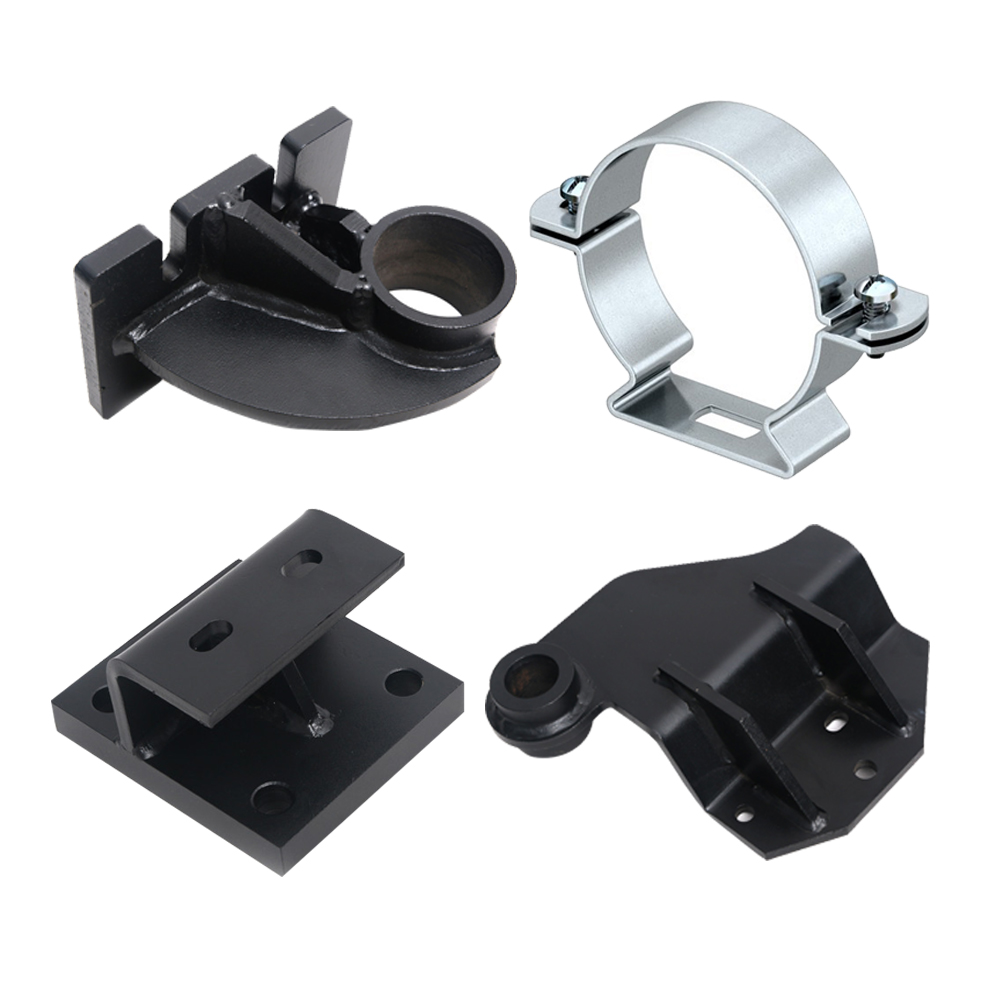
Transmission Parts
- Manual Transmission Gears
In a manual transmission, gears play a crucial role. The driver selects different gears to change the ratio between the engine's speed and the wheels' speed. For example, lower gears provide more torque for starting and climbing hills, while higher gears are for cruising at high speeds. The gear teeth are precisely machined to ensure smooth meshing and efficient power transfer.
- Automatic Transmission Torque Converter
An automatic transmission uses a torque converter instead of a clutch. The torque converter consists of a pump, a turbine, and a stator. It allows the engine to keep running while the vehicle is stationary and smoothly transfers power from the engine to the transmission. When the engine speed increases, the pump in the torque converter spins faster, transferring more power to the turbine, which is connected to the transmission input shaft.
- Transmission Shafts
Transmission shafts, such as the input shaft, output shaft, and countershaft, transfer power within the transmission. The input shaft receives power from the engine (either directly or through a torque converter in an automatic transmission), and the output shaft sends the power to the differential and ultimately to the wheels. These shafts are designed to handle high torsional loads and must be made of strong, durable materials.
Suspension and Steering Parts
- Shock Absorbers
Shock absorbers, also known as dampers, are an important part of the suspension system. Their main function is to control the movement of the vehicle's springs. When the vehicle hits a bump, the springs compress, and the shock absorbers slow down the rebound of the springs, preventing the vehicle from bouncing continuously. There are different types of shock absorbers, such as hydraulic and gas - charged, each with its own advantages in terms of performance and durability.
- Steering Rack and Pinion
In a rack - and - pinion steering system, the steering wheel rotates a pinion gear, which meshes with a rack. As the pinion turns, it moves the rack side - to - side, which in turn steers the wheels. This type of steering system provides a direct and responsive feel, making it popular in many modern cars. The steering rack and pinion must be well - lubricated and properly adjusted to ensure smooth and accurate steering.
- Control Arms
Control arms are part of the suspension system that connects the vehicle's frame to the wheel hubs. They allow the wheels to move up and down while maintaining proper alignment. Control arms are usually made of steel or aluminum and are equipped with bushings and ball joints. These components must be able to withstand the forces exerted on them during normal driving, as well as during cornering and braking.
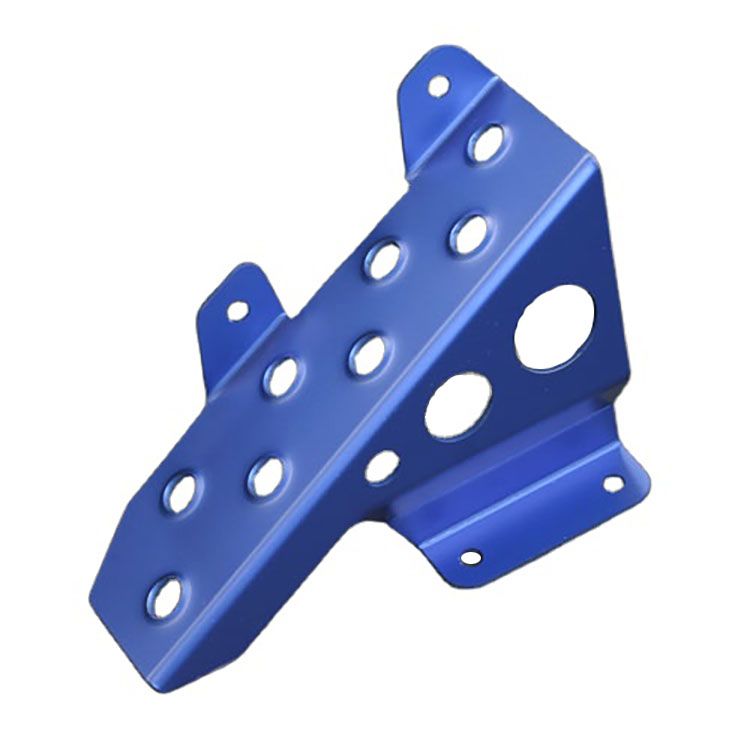
The Importance of Automotive Parts
Automotive parts are essential for the safety, performance, and reliability of a vehicle. Faulty engine parts can lead to engine failure, leaving you stranded on the road. Transmission problems can cause difficulty in shifting gears or even prevent the vehicle from moving. Suspension and steering issues can affect the vehicle's handling and stability, posing a serious safety risk. Regular maintenance and replacement of worn - out automotive parts are crucial to keep your vehicle in top condition. Whether it's changing the oil filter (a small but important part of the engine's lubrication system) or replacing a worn - out shock absorber, taking care of automotive parts ensures a smooth and safe driving experience.
Who Makes Precision Chassis Parts?
A machine component is subjected to the forces shown Analysis of Forces Acting on Machine Components
Related Article

Fast sampling is the fastest way to win business in the hardware machining and plastic mold industries. Customers want a working sample in days, and a 3D printer delivers it, but only when you know how to print in 3d correctly.
how to print in 3d

Fast sampling is the fastest way to win business in the hardware machining and plastic mold industries. Customers often send an STL file and expect a working sample in days.
how to print an stl file

