
Will Gold Plated Jewelry Fade? What You Need to Protect Its Shine
Author: SZTC
2025-10-10
Gold plated jewelry is a beloved choice for anyone who craves the warm glow of gold without the high cost of solid gold. But if you’ve ever hesitated to buy a gold plated piece—worried it might lose its luster too soon—you’re not alone. The question on every shopper’s mind is: Will gold plated fade? The short answer is yes, most gold plated jewelry will fade over time—but how quickly it fades depends on a mix of quality, wear habits, and care. Let’s break down why fading happens, how long you can expect your pieces to last, and what you can do to keep them shining.
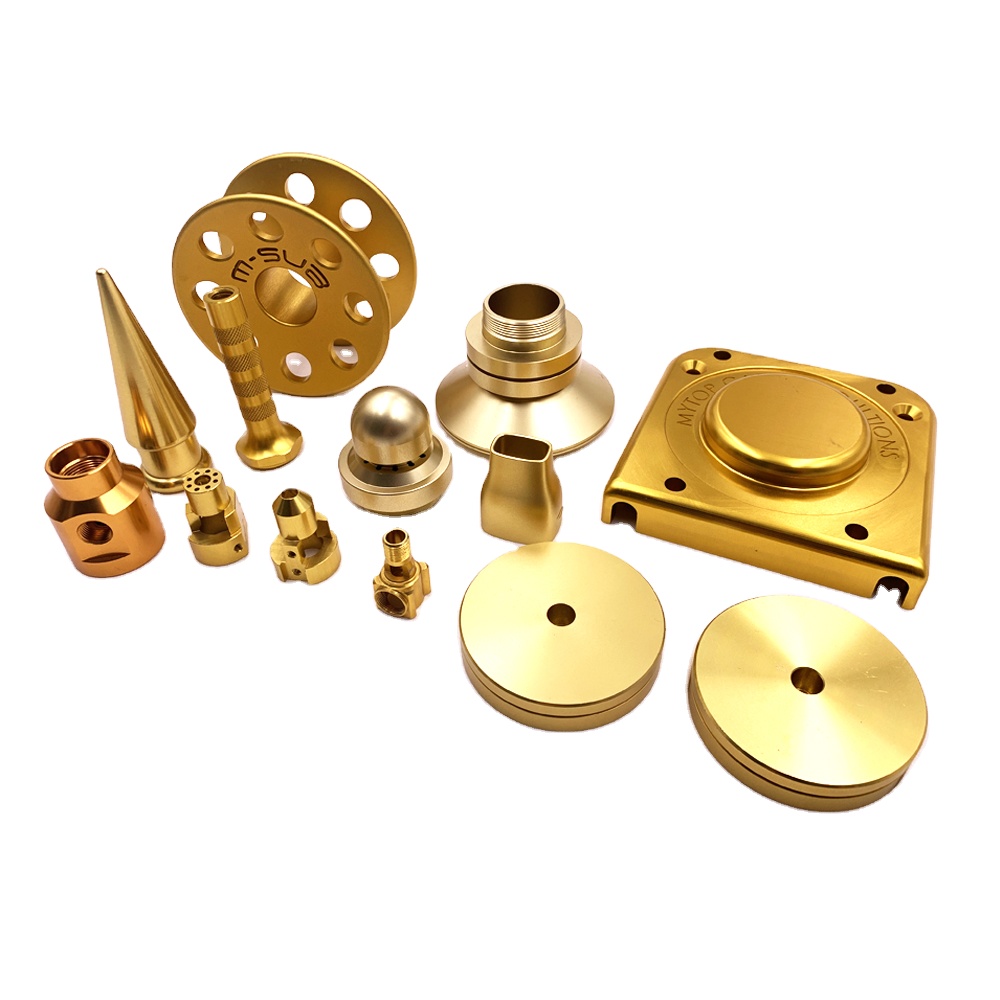
To understand fading, you first need to know what gold plated jewelry is made of. Unlike solid gold (which is entirely gold alloy), gold plated jewelry has a thin layer of real gold (usually 0.5 to 5 microns thick) electroplated onto a base metal—often brass, copper, or nickel. This thin gold layer is not permanent, and several factors cause it to wear away, revealing the base metal underneath.
1.1 The Thickness of the Gold Plating
The single most important factor in how fast gold plated jewelry fades is the thickness of the gold layer.
- Thin plating (0.5–1 micron): Found in most fast-fashion or budget gold plated pieces, this layer wears away quickly—sometimes in just a few months with daily wear. Even light friction (like rubbing against clothing) can strip it.
- Medium plating (1–2 microns): A bit more durable, medium plating can last 6–12 months with careful use, but it will still fade eventually.
- Heavy gold plating (2–5 microns): Also called “thick gold plated,” this is the most durable option. It can retain its color for 1–3 years (or longer) if well-cared for, but it’s still not permanent.
1.2 Exposure to Harsh Substances
Everyday products and elements break down the gold layer faster than you might think:
- Chemicals: Perfumes, lotions, hairspray, and cleaning products contain alcohols, sulfates, and acids that erode the gold plating. Even hand sanitizer (which has high alcohol content) can speed up fading.
- Body oils and sweat: The salts and acids in your sweat react with the base metal, weakening the bond between the gold layer and the base. Over time, this causes the gold to peel or discolor.
- Water: Chlorinated pool water, seawater, and even tap water (with minerals or chlorine) can damage the plating. Showering or swimming in gold plated jewelry is one of the fastest ways to make it fade.
1.3 Physical Wear and Tear
Friction is a silent enemy of gold plated jewelry. Pieces that touch your skin or other surfaces often—like bracelets, rings, or necklace clasps—fade faster than earrings or pendants. Stacking gold plated rings, wearing a bracelet with a watch, or even putting your hands in your pocket while wearing a ring can rub away the thin gold layer.

There’s no one-size-fits-all timeline for fading, but you can estimate based on two key factors: the quality of the plating and how you wear it.
2.1 Fading Timelines by Quality
- Budget gold plated (0.5–1 micron): If worn daily (and exposed to water/chemicals), these pieces may start fading in 2–6 months. You’ll notice the base metal peeking through at edges or high-contact areas first.
- Mid-quality gold plated (1–2 microns): With minimal exposure to water and chemicals, mid-quality pieces can last 6–12 months before fading becomes noticeable. If you only wear them occasionally (e.g., for special events), they may last even longer.
- Heavy gold plated (2–5 microns): When cared for properly (no water, no chemicals, occasional wear), heavy gold plated jewelry can stay shiny for 1–3 years. Some well-maintained pieces even last 4–5 years, though fading will still happen eventually.
2.2 Habits That Speed Up Fading
Certain choices can cut your jewelry’s lifespan in half:
- Wearing it in the shower, swimming, or working out (sweat + water = fast fading).
- Applying lotion, perfume, or hairspray after putting on the jewelry (chemicals sit directly on the gold layer).
- Storing it in a damp place (like a bathroom) or with other jewelry (scratching = faster wear).

While gold plated jewelry will fade eventually, you can significantly extend its life with simple, consistent care. Here’s how:
3.1 Daily Habits to Protect the Plating
- Put it on last, take it off first: Apply all beauty products (lotion, perfume, hairspray) and get dressed before putting on your gold plated jewelry. When you’re done for the day, remove it before showering, cooking, or doing chores.
- Keep it dry: If your jewelry gets wet (e.g., from rain or a spill), pat it dry immediately with a soft, lint-free cloth. Never rub it—this can scratch the plating.
- Minimize friction: Avoid stacking gold plated rings, wearing a bracelet with a watch, or wearing necklaces that rub against each other. Choose pieces that sit gently on your skin (e.g., delicate chains instead of thick links).
3.2 Storage Tips to Prevent Fading
- Store in a dry, airtight container: Use a jewelry box with anti-tarnish strips, a sealed plastic bag, or a soft jewelry pouch. This keeps humidity and dust from damaging the plating.
- Separate pieces: Store each gold plated piece individually to prevent scratching. Even small scratches can expose the base metal and speed up fading.
- Avoid sunlight and heat: Don’t leave jewelry near windows (UV rays fade color) or heaters (heat dries out the plating).
3.3 Safe Cleaning Methods
Clean your gold plated jewelry once a week (or after wearing it for a few days) to remove body oils and dirt:
- Use a soft, dry microfiber cloth to wipe away surface grime. This is usually enough for regular cleaning.
- For deeper cleaning (if it’s dull or dirty), dampen a cloth with lukewarm water and a tiny drop of mild, sulfate-free dish soap. Gently wipe the jewelry, then rinse quickly and pat dry.
- Never use these: Toothpaste, baking soda, silver polish, or ultrasonic cleaners—these are abrasive and will strip the gold plating instantly.
Final Thoughts
So, will gold plated fade? Yes—but with the right care, you can enjoy its shine for months (or even years) longer. Gold plated jewelry is an affordable way to experiment with trends, add warmth to your outfits, or gift something special—without the commitment of solid gold. The key is to treat it gently: keep it dry, avoid chemicals, and store it properly. With a little effort, your favorite gold plated pieces will stay glowing long enough to become staples in your jewelry collection.
Will Gold Plated Sterling Silver Tarnish? What You Need to Know
Whats The Difference Between Gold Plated And Gold Filled Jewelry
Related Article

Fast sampling is the fastest way to win business in the hardware machining and plastic mold industries. Customers want a working sample in days, and a 3D printer delivers it, but only when you know how to print in 3d correctly.
how to print in 3d

Fast sampling is the fastest way to win business in the hardware machining and plastic mold industries. Customers often send an STL file and expect a working sample in days.
how to print an stl file

