
Will Gold-Plated Brass Tarnish? Understanding the Facts
Author: SZTC
2025-08-06
Gold-plated brass has long been a popular choice for jewelry, home decor, and various accessories. Its appealing golden appearance, combined with a more affordable price tag compared to solid gold, makes it a go-to option for many. But a common question lingers: will gold-plated brass tarnish? Let’s dive into the details to understand the nature of this material and how to care for it.
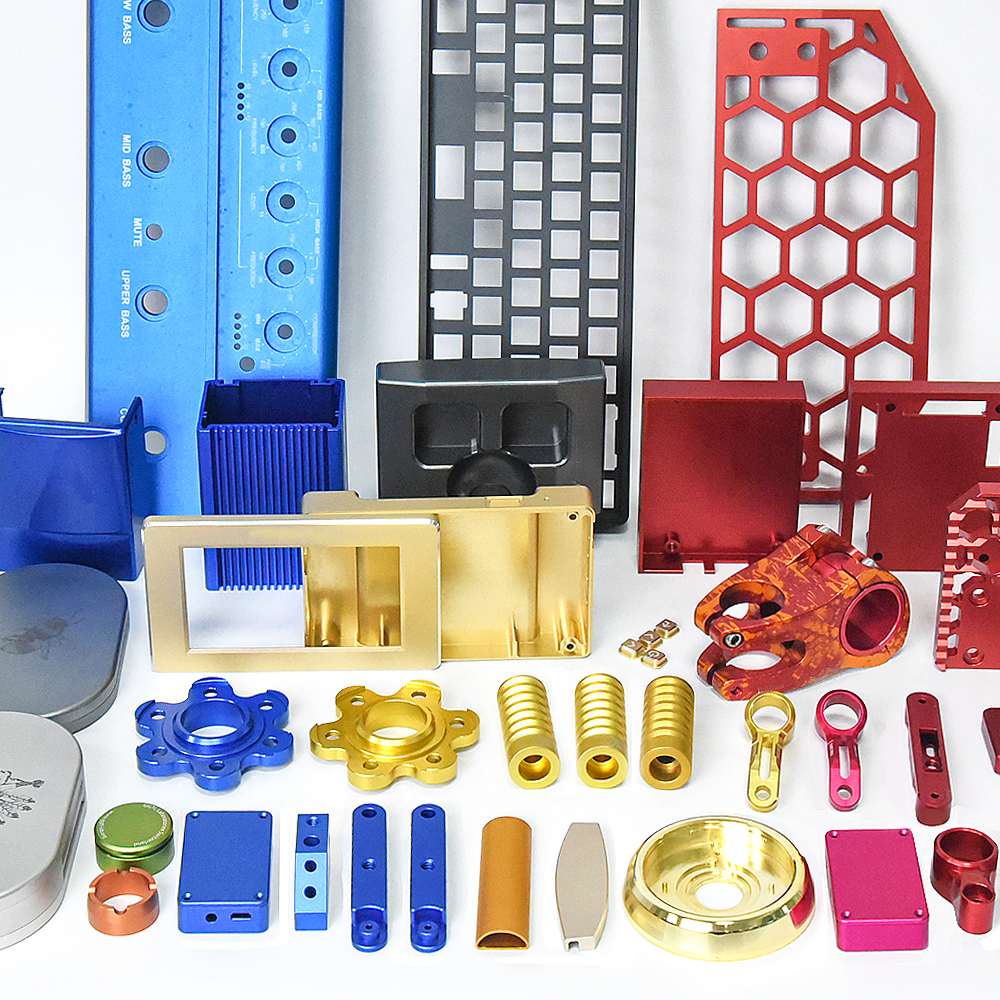
Before addressing tarnishing, it’s essential to grasp what gold-plated brass actually is. Brass is an alloy of copper and zinc, known for its durability and malleability. Gold plating involves depositing a thin layer of gold onto the brass surface through an electrochemical process. The thickness of this gold layer can vary, ranging from a few microns (μm) to slightly more, depending on the quality of the piece.
This thin gold layer is what gives the brass its luxurious golden look. However, unlike solid gold, which is entirely composed of gold (and thus highly resistant to tarnishing), gold-plated brass relies on that thin outer layer to protect the underlying brass. This distinction is key to understanding why tarnishing can occur.
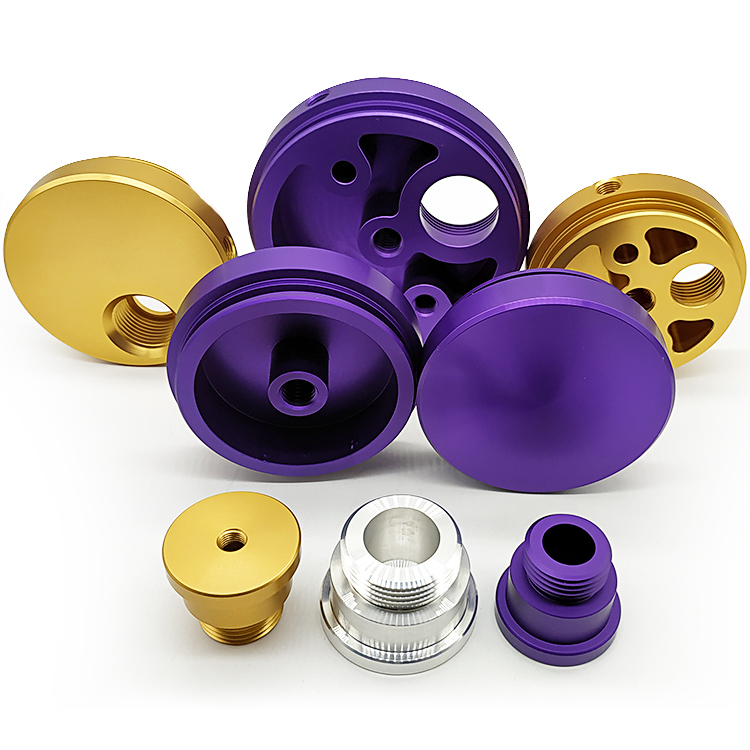
The short answer is yes, gold-plated brass can tarnish—but the process is different from how solid brass tarnishes. Here’s why:
- The gold layer itself is resistant to tarnishing: Pure gold is a noble metal, meaning it doesn’t react with oxygen, moisture, or most chemicals. So, as long as the gold plating remains intact, the surface won’t tarnish in the same way as unplated brass.
- Tarnishing happens when the brass underneath is exposed: Over time, the thin gold layer can wear away due to friction, exposure to harsh substances, or simply aging. Once the brass beneath is exposed, it becomes vulnerable to tarnishing. Brass tarnishes when its copper content reacts with oxygen, moisture, and sulfur in the air, forming a dull, greenish or brownish layer (known as patina).
- Factors accelerating tarnishing: Even without visible wear, tiny imperfections or pinholes in the gold plating can allow moisture and air to reach the brass, leading to tarnishing beneath the gold layer. This can cause discoloration that appears through the gold, giving the piece a dull or spotted look.

While tarnishing is possible, proper care can significantly extend the life and appearance of gold-plated brass items:
- Minimize exposure to harsh substances: Avoid contact with perfumes, lotions, hairsprays, and cleaning products, as these can break down the gold plating. Remove gold-plated jewelry before swimming, showering, or exercising, as sweat and chlorinated water can accelerate wear.
- Clean gently: When cleaning, use a soft, dry cloth to wipe away dirt and oils. Avoid abrasive materials or chemical cleaners, which can scratch or dissolve the gold layer. For more thorough cleaning, dampen the cloth with a mild soap solution, then dry immediately.
- Store properly: Keep gold-plated brass items in a cool, dry place, ideally in airtight containers or jewelry boxes lined with anti-tarnish fabric. This reduces exposure to moisture and sulfur in the air.
- Handle with care: Friction from daily wear (like rubbing against clothing or other jewelry) can wear down the gold plating over time. Be mindful of how you wear and store your items to minimize unnecessary friction.

Gold-plated brass offers a beautiful and budget-friendly alternative to solid gold, but it’s important to remember that its longevity depends on proper care. While the gold layer itself resists tarnishing, the underlying brass can tarnish once exposed—so protecting that thin gold coating is key. With gentle handling and smart storage, you can keep your gold-plated brass pieces looking shiny and new for years to come.
So, to circle back to the original question: Yes, gold-plated brass can tarnish, but with the right care, you can delay and minimize this process.
Will Gold-Plated Items Turn Green? Exploring the Causes and Solutions
What Is the Difference Between Gold Filled and Gold Plated?
Related Article

Fast sampling is the fastest way to win business in the hardware machining and plastic mold industries. Customers want a working sample in days, and a 3D printer delivers it, but only when you know how to print in 3d correctly.
how to print in 3d

Fast sampling is the fastest way to win business in the hardware machining and plastic mold industries. Customers often send an STL file and expect a working sample in days.
how to print an stl file

