
Where to Use 3D Printer in Hardware and Plastic Mold Industry
Author: SZTC
2026-07-03


Samuel Song Your service representative
Specializing in zinc-aluminum-magnesium alloy die-casting processing, CNC milling, CNC turning, 3D printing, injection molding and sheet metal processing. Manufacturing services.
-----------------------------------------------------------------------------------------------------------------------------------------------------------------------------------------------------------------------------------------------------------------------------------------------------------------------------------------------
As rapid prototyping becomes a core competitive advantage in manufacturing, many factory technicians are confused about where to use 3D printer to maximize production value. In the hardware processing and plastic mold industries, 3D printers are no longer optional equipment. They have been widely applied in core workshop links to solve the pain points of slow sampling and high trial production costs.

1. Application in Plastic Mold R&D Workshops
The most mainstream scenario that answers where to use 3D printer is the whole mold design and trial production process.
1.1 Mold Structure Verification
3D printers are widely used for printing mold cavity prototypes, thin-wall structures and complex groove samples. Before formal steel mold processing, manufacturers can verify structural rationality, assembly clearance and demolding performance, effectively avoiding expensive mold modification and rework.
1.2 Pre-Production Sample Confirmation
Factories can use 3D printers to produce highly simulated plastic samples for customer confirmation. This application shortens the project negotiation cycle and confirms design solutions before large-scale injection molding production.
2. Application in Hardware Processing Workshops
For hardware manufacturers, the most practical answer to where to use 3D printer focuses on tooling customization and prototype testing.
2.1 Custom Tooling Manufacturing
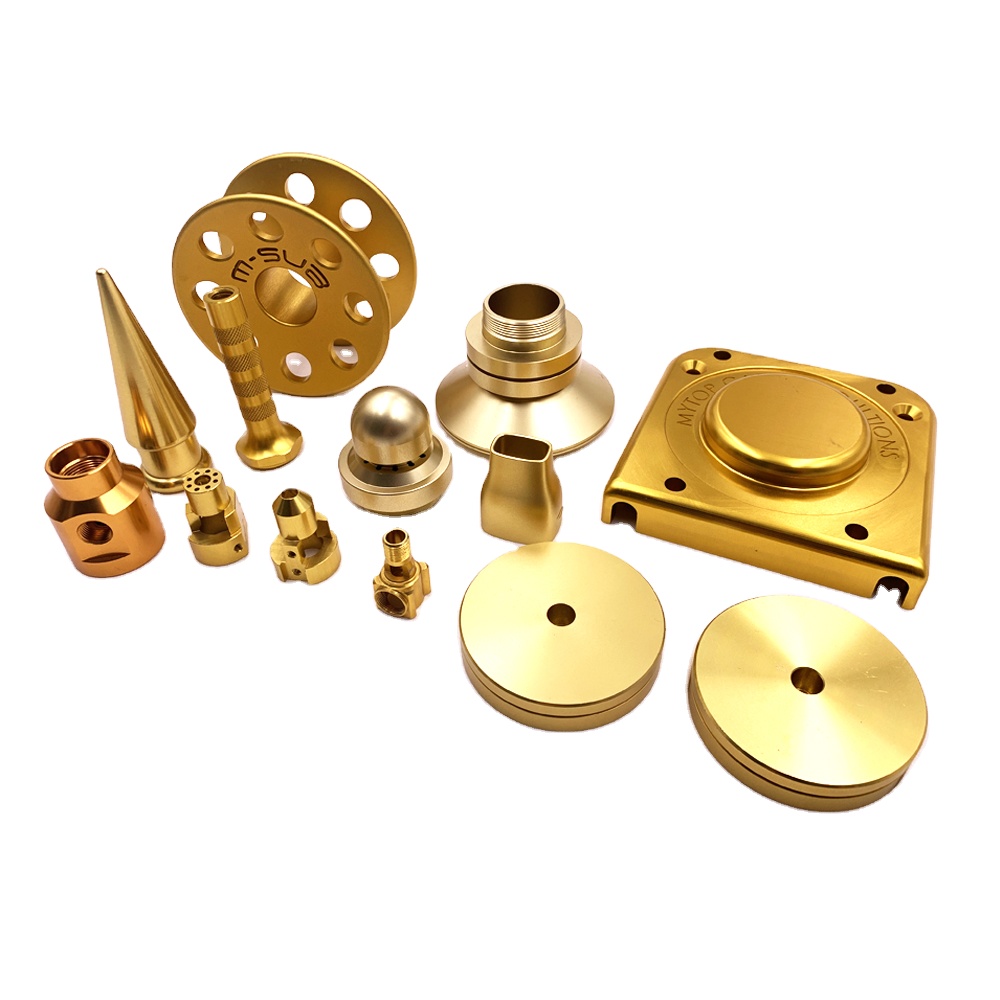
3D printers are ideal for producing non-standard hardware jigs, positioning fixtures and detection tools. These customized auxiliary tools improve the precision and efficiency of hardware cutting, drilling and finished product inspection in daily processing work.
2.2 Special-Shaped Hardware Prototyping
They can be used to print irregular and complex hardware parts that are difficult to process by traditional CNC equipment. It supports rapid size verification and strength testing for new hardware product development.
3. Application in Small-Batch Trial Production
Another key field explaining where to use 3D printer is flexible small-batch trial production.
3.1 Low-Volume Product Testing
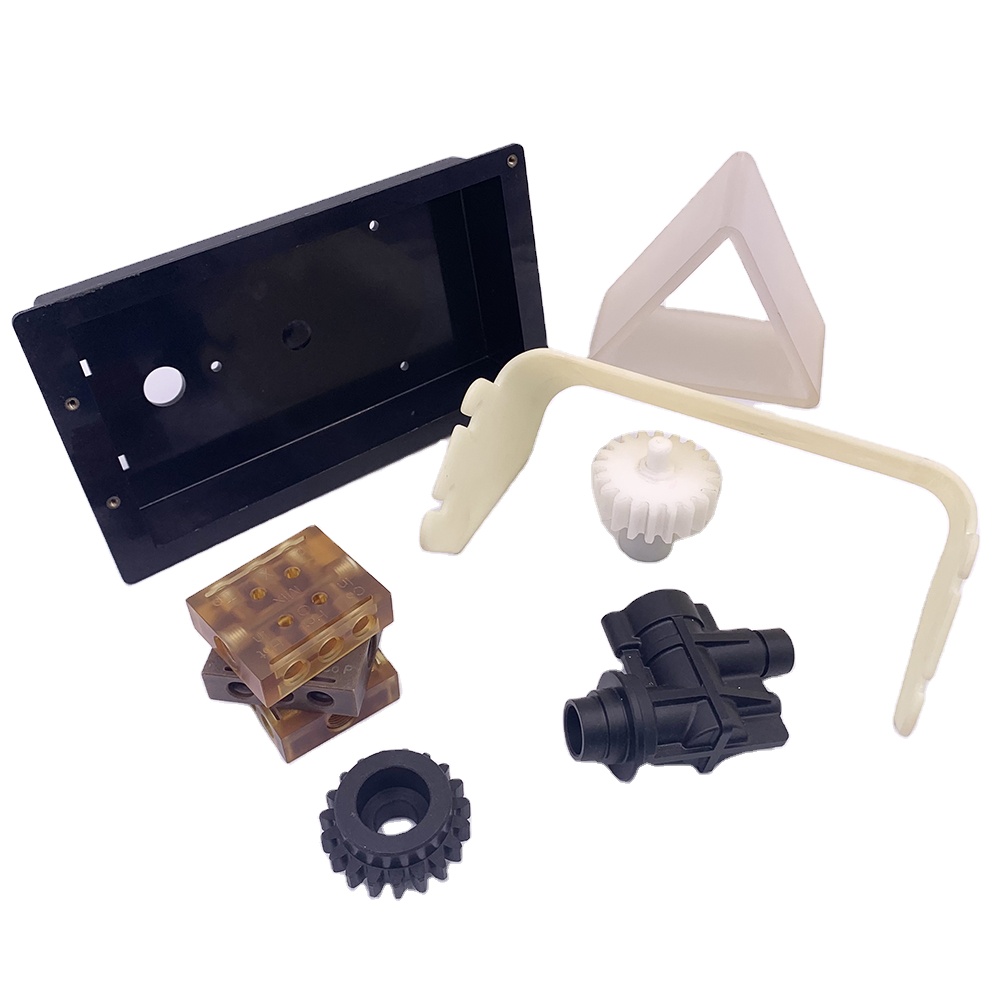
For new products that only need a small number of test pieces for market or performance testing, 3D printing replaces traditional mold opening. It greatly reduces trial production costs and shortens the preparation cycle.
3.2 Technical Iteration and Optimization
Workshops use 3D printers for repeated sample iteration. Engineers can continuously optimize mold structures and hardware designs based on printed samples, improving the overall yield of formal mass production.
In conclusion, clarifying where to use 3D printer helps hardware and plastic mold enterprises give full play to the advantages of rapid prototyping. It brings higher efficiency, lower costs and more flexible innovation capabilities to modern manufacturing production.
Who Does 3D Printing Near Me for Mold and Hardware Fast Sampling
Where to Get 3D Printer Files for Mold and Hardware Rapid Sampling
Related Article

Fast sampling is the fastest way to win business in the hardware machining and plastic mold industries. Customers want a working sample in days, and a 3D printer delivers it, but only when you know how to print in 3d correctly.
how to print in 3d

Fast sampling is the fastest way to win business in the hardware machining and plastic mold industries. Customers often send an STL file and expect a working sample in days.
how to print an stl file

