
Where Can I 3D Print Something? A Guide for Hardware & Plastic Mold Fast Sampling
Author: SZTC
2026-04-13


Samuel Song Your service representative
Specializing in zinc-aluminum-magnesium alloy die-casting processing, CNC milling, CNC turning, 3D printing, injection molding and sheet metal processing. Manufacturing services.
-----------------------------------------------------------------------------------------------------------------------------------------------------------------------------------------------------------------------------------------------------------------------------------------------------------------------------------------------
In the fast-paced world of hardware processing and plastic mold manufacturing, fast sampling is the lifeline of product development, client approval, and market competitiveness. As more manufacturers recognize the value of 3D printing for rapid prototyping, a critical question arises:where can I 3D print something—especially when it comes to creating high-precision, functional samples that meet the strict standards of these two industries?
Many professionals mistakenly think 3D printing is only accessible through large-scale factories or expensive in-house setups, but the reality is far more flexible. For hardware and plastic mold manufacturers, there are multiple practical options to 3D print samples quickly and cost-effectively. This blog will answer where can I 3D print something by breaking down the core scenarios, industry-specific options, and key considerations—all tied to the fast sampling needs of hardware and plastic mold manufacturing. By the end, you’ll know exactly where to turn to 3D print metal hardware prototypes, plastic mold inserts, and functional samples in hours, not weeks.
1. Where Can I 3D Print Something? (Core Options for Industrial Fast Sampling)
To answer where can I 3D print something in an industrial context—especially for hardware and plastic mold fast sampling—we need to move beyond consumer-grade print shops. Industrial 3D printing for fast sampling relies on three core scenarios, each with its own advantages, costs, and suitability for different needs. The right choice depends on your sample volume, precision requirements, budget, and timeline—all critical factors for meeting fast sampling goals.
In short, where can I 3D print something for these industries? The answer lies in a range of options, from on-demand professional services to in-house setups and industry-specific partnerships. Each option is tailored to streamline fast sampling, ensuring you can get high-quality samples when you need them.
1.1 Professional 3D Printing Service Providers (On-Demand Fast Sampling)
The most popular and flexible answer to where can I 3D print something for industrial fast sampling is professional 3D printing service providers. These specialized companies offer end-to-end 3D printing services, from design optimization to post-processing, and are equipped with industrial-grade equipment to handle hardware and plastic mold sample needs.
These providers cater specifically to manufacturing industries, with a focus on fast turnaround times—critical for fast sampling. They offer a wide range of materials (metal powders, high-temp resins, engineering plastics) and technologies (SLM, SLA, SLS, FDM), ensuring you can 3D print any type of sample, from metal hardware brackets to plastic mold inserts. International leaders like Stratasys and 3D Systems, along with domestic giants such as, provide reliable on-demand services, while regional providers like offer localized support with quick delivery.
Key benefits: No upfront investment in equipment, access to industrial-grade technology and materials, fast turnaround (4–24 hours for small samples), and professional post-processing. Ideal for manufacturers with occasional sampling needs or those testing 3D printing for the first time.
1.2 In-House 3D Printing Setups (For Regular Fast Sampling)
For manufacturers with frequent fast sampling needs (e.g., daily prototype iterations, small-batch sample production), another answer to where can I 3D print something is setting up an in-house 3D printing station. This involves investing in industrial-grade 3D printers, specialized materials, and trained staff to handle the entire printing process in-house.
In-house setups are tailored to the specific needs of hardware or plastic mold industries: hardware manufacturers often invest in SLM/DMLS metal 3D printers (e.g., Stratasys metal printers) for metal samples, while plastic mold manufacturers opt for SLA/SLS printers (e.g., Formlabs models) for mold inserts and plastic prototypes. Companies like have integrated in-house 3D printing into their workflows, pairing it with CNC machining and injection molding equipment to create a seamless fast sampling pipeline[3].
Key benefits: Full control over the sampling timeline (print samples on-demand), reduced long-term costs for frequent sampling, and faster iteration cycles. Ideal for large manufacturers or those with strict confidentiality requirements for their designs.
1.3 Industry-Specific Partnerships (Collaborative Fast Sampling)
A third option for answering where can I 3D print something is partnering with industry-specific facilities, such as mold factories, hardware processing plants, or R&D centers that offer 3D printing services as part of their core offerings. These partnerships leverage the expertise of industry professionals who understand the unique requirements of hardware and plastic mold samples.
For example, plastic mold manufacturers can partner with companies like , which offers 3D printing for trial molds alongside its mold manufacturing and injection molding services, ensuring samples are compatible with final production processes. Similarly, hardware manufacturers can collaborate with铁艺 or metal processing facilities that have 3D printing capabilities for metal prototypes. These partnerships often include additional services like design consultation and sample testing, making them ideal for complex samples.
Key benefits: Access to industry-specific expertise, seamless integration with downstream production processes (e.g., mold testing, hardware assembly), and cost savings through bundled services. Ideal for manufacturers looking to align sampling with final production.
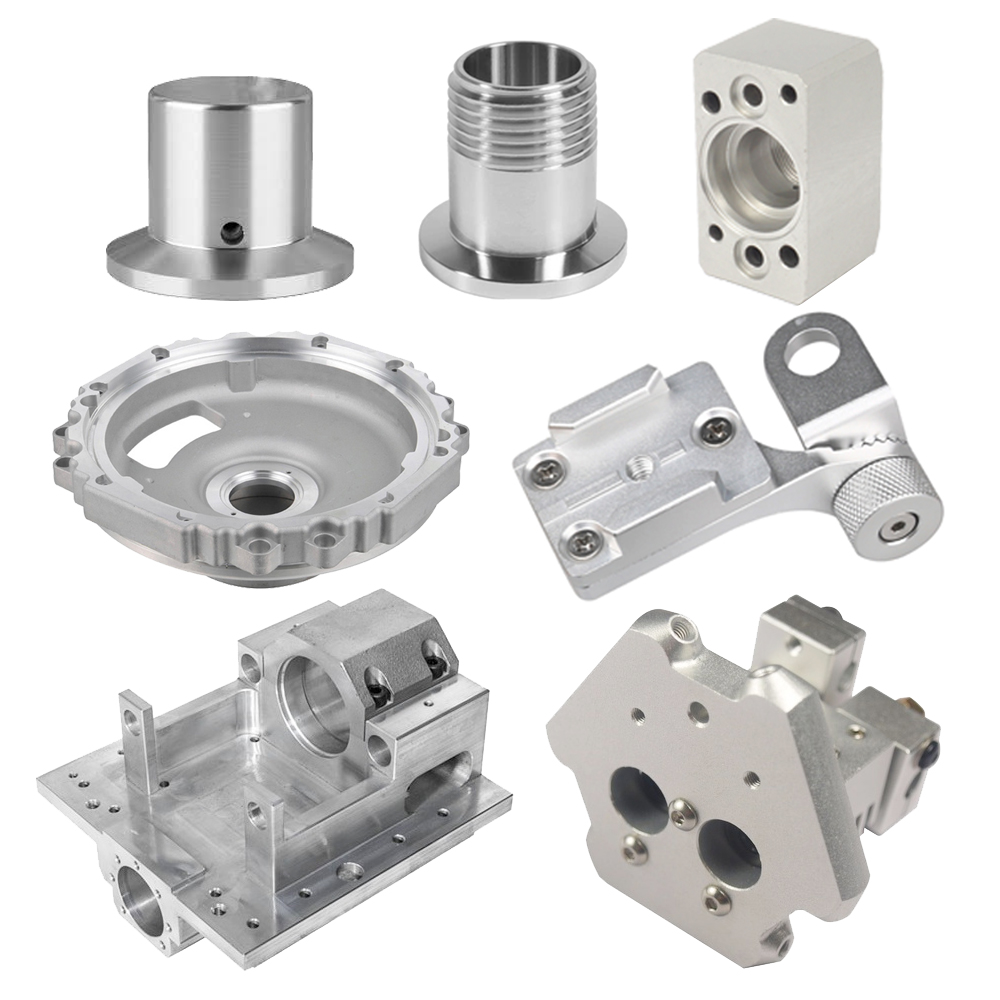
2. Where Can I 3D Print Something in the Hardware Processing Industry? (Fast Sampling Focus)
For hardware manufacturers, where can I 3D print something is tailored to the unique demands of metal sampling, complex component production, and custom tooling. The options below are optimized to deliver fast, functional metal samples that accelerate design iteration and reduce costs, with a focus on industrial-grade quality.
2.1 Where to 3D Print Metal Hardware Prototypes (Fast & Precise)
When it comes to fast sampling of metal hardware parts (brackets, fasteners, mold steel components), where can I 3D print something boils down to two primary options, each suited to different needs:
-
Specialized Metal 3D Printing Services: Providers like (a domestic metal 3D printing leader) and Stratasys offer on-demand metal 3D printing services using SLM/DMLS technology. These services support materials like 17-4PH stainless steel, AlSi10Mg aluminum, and H13 mold steel—critical for hardware samples—and deliver parts in 6–24 hours. They also offer heat treatment and post-processing to ensure samples meet industry-standard hardness (40-45HRC).
-
In-House Metal 3D Printing: For manufacturers with frequent metal sampling needs, investing in an SLM/DMLS printer (e.g., Stratasys Fortus 900mc) allows for on-demand printing of metal prototypes. This is ideal for companies that need to iterate on designs daily or have strict confidentiality requirements for their hardware designs. Many hardware processing plants integrate these printers with their existing CNC machining equipment for a seamless workflow.
Example: A hardware manufacturer needing a lightweight aluminum bracket prototype can 3D print it via a metal 3D printing service in 8 hours, ready for load-bearing testing the same day—no need to wait weeks for CNC machining.
2.2 Where to 3D Print Custom Hardware Tooling (Cost-Effective)
For auxiliary hardware production (jigs, fixtures, tool holders), where can I 3D print something is more flexible and cost-effective, with two key options:
-
Low-Cost FDM 3D Printing Services: Providers offering FDM printing services can 3D print custom tooling using engineering plastics (ABS, PETG, glass-filled nylon) in 4–12 hours. These services are affordable and ideal for one-off or small-batch tooling samples, with no upfront equipment costs.
-
Desktop Industrial FDM Printers (In-House): Smaller, industrial-grade FDM printers (e.g., Stratasys FDM printers) are a cost-effective option for in-house tooling printing. They are easy to operate and can produce functional tooling samples on-demand, reducing the need to outsource and speeding up workflow efficiency.
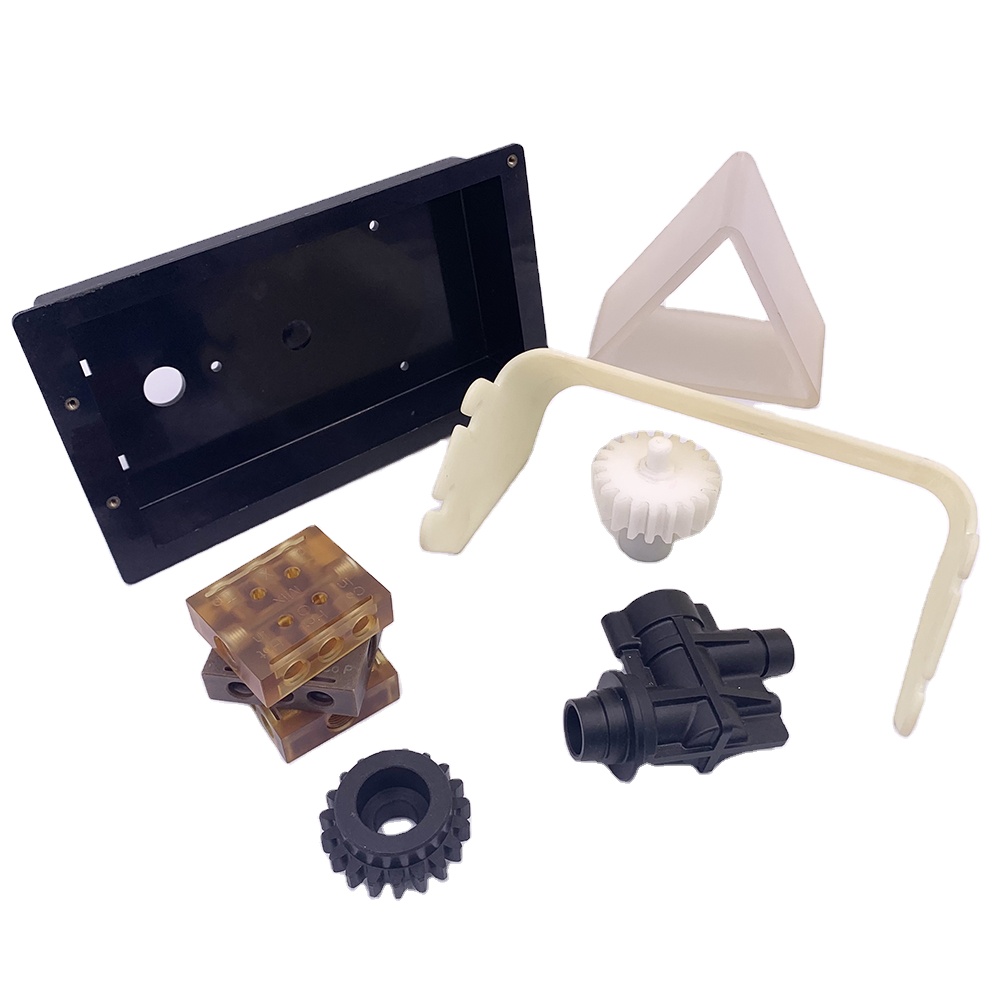
3. Where Can I 3D Print Something in the Plastic Mold Industry? (Fast Sampling Focus)
In the plastic mold industry, where can I 3D print something is focused on reducing mold development risk, accelerating trial cycles, and delivering precise plastic prototypes. The options below are optimized to create trial molds and samples that validate designs before investing in expensive steel molds, with a focus on speed and precision.
3.1 Where to 3D Print Trial Molds & Mold Inserts (Fast & Durable)
For trial molds, mold cores, and cavity inserts—critical for fast sampling—the answer to where can I 3D print something includes two industry-specific options:
-
Resin 3D Printing Services for Molds: Providers like and Formlabs offer SLA 3D printing services using high-temperature resistant resins (e.g., Rigid 10K Resin, heat-resistant to 218°C) for trial mold inserts. These services deliver samples in 4–12 hours, which are durable enough for 50–100 injection molding cycles—perfect for validating mold designs before steel mold production. Many mold manufacturers, like , partner with such services to streamline their trial mold process.
-
In-House SLA/SLS Printers: Plastic mold manufacturers with frequent trial mold needs often invest in desktop or benchtop SLA/SLS printers. These printers can 3D print mold inserts and trial molds on-demand, allowing for fast design iterations and reducing reliance on external services. Companies like integrate SLA printers with their injection molding equipment to test trial molds immediately after printing.
Example: A plastic mold manufacturer needing a trial mold insert can 3D print it via an SLA service in 6 hours, using Rigid 10K Resin. The insert is then used for 80 injection cycles to validate the mold design, saving 2–4 weeks of traditional steel mold development time.
3.2 Where to 3D Print Plastic Product Prototypes (High-Detail)
For fast sampling of plastic products (consumer electronics casings, automotive parts), where can I 3D print something includes options that prioritize surface quality and precision:
-
High-Detail Resin 3D Printing Services: SLA printing services specialize in high-detail plastic prototypes, using resins that match the appearance and basic performance of the final product (ABS, PC, PP). These services are ideal for presenting samples to clients or testing product aesthetics, with fast turnaround times (4–8 hours for small prototypes).
-
In-House SLA/FDM Printers: For frequent plastic prototype sampling, in-house SLA printers deliver high-detail parts, while FDM printers offer a cost-effective option for functional prototypes. This allows mold manufacturers to quickly iterate on product designs before finalizing mold specifications.

4. Key Considerations: How to Choose Where to 3D Print Something
Now that we’ve answered where can I 3D print something for hardware and plastic mold fast sampling, it’s important to choose the right option for your specific needs. The following factors will help you decide which scenario—service provider, in-house setup, or partnership—is best for you.
4.1 Factors to Choose the Right 3D Printing Location
-
Sampling Frequency: If you need samples occasionally, professional services are the most cost-effective. If you sample daily, an in-house setup will save time and money long-term.
-
Precision & Material Requirements: Metal hardware samples require SLM/DMLS technology, which is available through specialized services or in-house printers. High-temp mold inserts need SLA printers, which are offered by mold-focused services.
-
Timeline: For urgent samples (4–24 hours), professional services with fast turnaround (like regional providers) are ideal. In-house setups offer the fastest on-demand printing for non-urgent iterations.
-
Budget: In-house setups require upfront investment but reduce long-term costs. Services have no upfront costs but charge per sample. Partnerships often offer bundled pricing for design, printing, and testing.
4.2 Common Mistakes to Avoid When Choosing Where to 3D Print
Avoid choosing consumer-grade print shops for industrial samples—they lack the materials and precision needed for hardware or mold testing. Also, don’t overlook post-processing capabilities when selecting a service provider or in-house equipment, as this directly impacts sample quality. For partnerships, ensure the facility understands your industry’s unique requirements (e.g., mold testing, metal heat treatment) to avoid delays.
Final Recap: This blog answeredwhere can I 3D print something specifically for hardware processing and plastic mold fast sampling. The key options are professional 3D printing service providers (flexible, no upfront investment), in-house setups (control, long-term savings), and industry-specific partnerships (expertise, seamless integration). For hardware, you can 3D print metal prototypes via specialized services or in-house SLM/DMLS printers; for plastic molds, trial molds and prototypes are available through resin printing services or in-house SLA/SLS printers. By choosing the right option based on your sampling frequency, budget, and timeline, you can streamline your fast sampling workflow, reduce costs, and deliver high-quality samples faster than ever before—critical for staying competitive in today’s manufacturing landscape.
Where Can I Get Something 3D Printed? A Guide for Hardware & Plastic Mold Fast Sampling
What Is Used for 3D Printing? A Guide for Hardware & Plastic Mold Fast Sampling
Related Article

Fast sampling is the fastest way to win business in the hardware machining and plastic mold industries. Customers want a working sample in days, and a 3D printer delivers it, but only when you know how to print in 3d correctly.
how to print in 3d

Fast sampling is the fastest way to win business in the hardware machining and plastic mold industries. Customers often send an STL file and expect a working sample in days.
how to print an stl file

