
When Did 3D Printing Begin for Industrial Rapid Sampling
Author: SZTC
2026-08-15


Samuel Song Your service representative
Specializing in zinc-aluminum-magnesium alloy die-casting processing, CNC milling, CNC turning, 3D printing, injection molding and sheet metal processing. Manufacturing services.
-----------------------------------------------------------------------------------------------------------------------------------------------------------------------------------------------------------------------------------------------------------------------------------------------------------------------------------------------
3D printing has become a core technology for fast sample production in plastic mold and hardware processing industries. Many industrial practitioners explore the technical origin and frequently ask when did 3D printing begin. Understanding its starting stage and evolutionary process helps factories recognize how additive manufacturing grows into a mature rapid prototyping solution for modern manufacturing.
1. The Theoretical Start of 3D Printing Technology
To accurately answer when did 3D printing begin, we need to distinguish theoretical exploration and official commercial birth.
1.1 The Earliest Technical Concept
The embryonic form of 3D printing appeared in 1981. Japanese researcher Hideo Kodama proposed the layered curing molding theory and published the first complete academic paper on additive manufacturing. This pioneering research laid the basic technical logic for modern resin 3D printing and opened the door for rapid prototyping development.
1.2 Preconditions for Industrial Molding
Before 1981, similar conceptual ideas existed but lacked feasible implementation methods. Kodama’s research filled the technical gap, marking the official beginning of systematic 3D printing exploration for industrial application.

2. Official Birth and Commercialization Milestone
The key industrial node to define when did 3D printing begin falls in the mid-1980s.
2.1 Invention of Core SLA Technology
In 1984, American engineer Chuck Hull invented stereolithography, the first practical 3D printing technology that converts digital models into solid objects. This breakthrough turned early theories into operable industrial technology and realized real 3D part manufacturing.
2.2 First Commercial Patent and Equipment
Chuck Hull obtained the official SLA technology patent in 1986 and founded 3D Systems. The release of the first commercial 3D printer in 1988 officially launched the industrial era of additive manufacturing.

3. Industrial Evolution for Mold and Hardware Sampling
Tracking when did 3D printing begin reflects its great value in modern workshop production.
3.1 Continuous Technical Iteration
From the 1980s theoretical foundation and commercial birth, 3D printing has iterated multiple technologies including FDM and metal printing. It has improved greatly in precision, strength and material diversity.
3.2 Application in Rapid Sampling
After decades of upgrading, 3D printing is widely used in plastic mold prototype verification and custom hardware sample production. It effectively shortens R&D cycles and reduces trial production costs for processing enterprises.
In short, the exploration of 3D printing began in 1981, and its official industrial birth was completed in the mid-1980s. Clarifying when did 3D printing begin helps manufacturers better apply this mature technology to optimize modern rapid sampling workflows.
When Did 3D Printing Come Out and Benefit Industrial Sampling
What Year Was the Earliest Known Account of 3D Printing
Related Article

For industrial buyers sourcing custom machined components, a thorough cost analysis for machined parts from your supplier is the foundation of fair pricing, reliable budgeting and effective quote comparison.
should cost analysis for machined parts from a supplier?
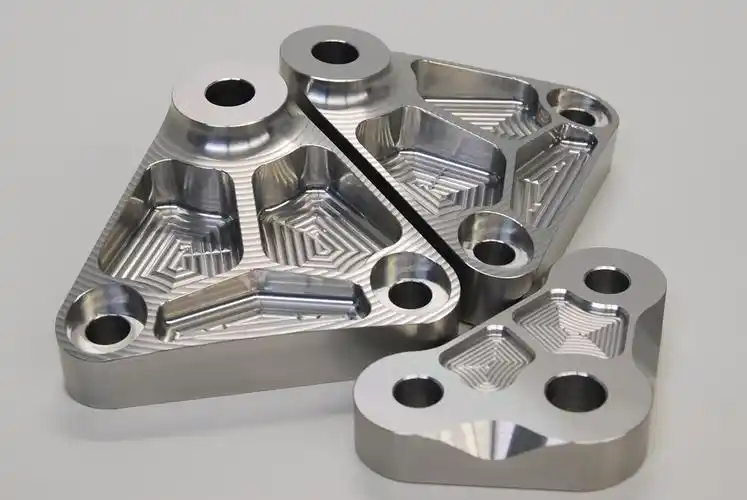
For industrial buyers sourcing complex precision components, 5-axis machining software is the core driver that unlocks the full capability of multi-axis CNC equipment.
how 5-axis machining software improves complex part production?

This guide is written for procurement engineers, maintenance leads and safety teams who need to specify or source machine guards rather than read a safety textbook.
what is the most dangerous part of machines?
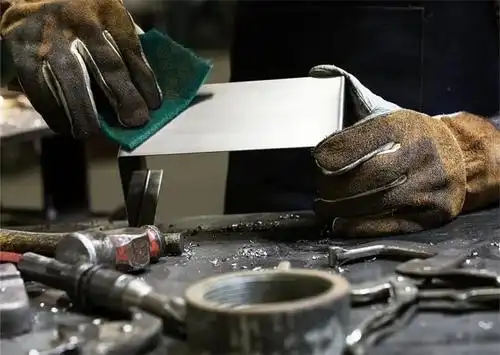
This guide is written for procurement engineers, maintenance leads and safety teams who need to specify or source machine guards rather than read a safety textbook. It covers the hazard points that require protection, the guard types and standards our shop works to, the materials and fabrication options available, the industries they serve, and a selection checklist you can reuse on every guard RFQ.
which parts of a machine must be guarded?