
When Did 3D Printing Become Popular in Mold and Hardware Manufacturing
Author: SZTC
2026-07-01


Samuel Song Your service representative
Specializing in zinc-aluminum-magnesium alloy die-casting processing, CNC milling, CNC turning, 3D printing, injection molding and sheet metal processing. Manufacturing services.
-----------------------------------------------------------------------------------------------------------------------------------------------------------------------------------------------------------------------------------------------------------------------------------------------------------------------------------------------
Many hardware and plastic mold manufacturers wonder when did 3D printing become popular and why it has become a standard rapid sampling tool in modern factories. Although 3D printing technology was invented in the 1980s, it remained expensive and exclusive for decades. Its real industrial popularity started in the 2010s, bringing revolutionary changes to rapid prototyping for mold and hardware industries.
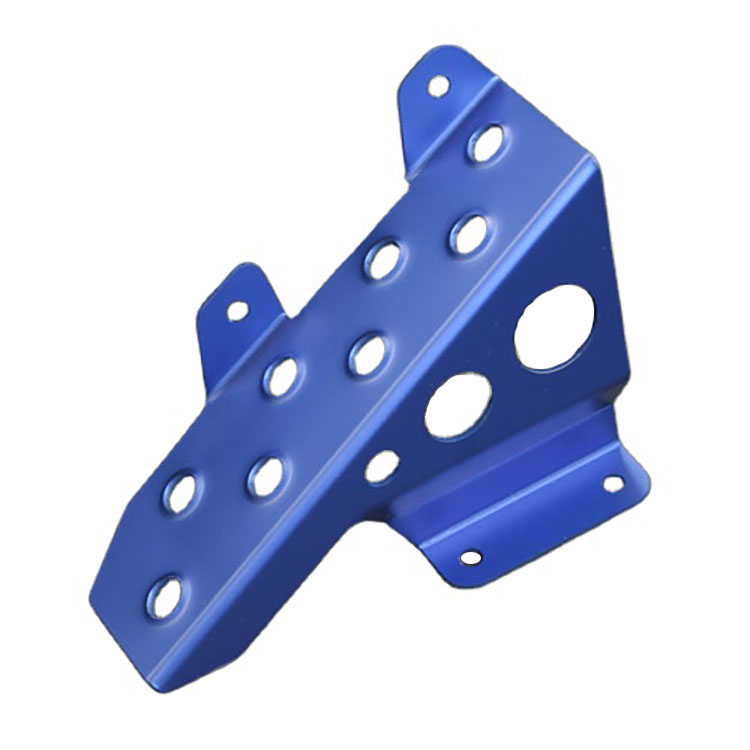
1. Early Stage: Limited Industrial Use Before 2010
To answer when did 3D printing become popular, it is necessary to distinguish early research from real industrial mass adoption.
1.1 High Cost and Technical Barriers
During the 1990s and 2000s, 3D printing devices were costly and mainly used for high-end industrial research. Most plastic mold and hardware factories could not afford professional printing equipment, so the technology was unable to support daily fast sample production.
1.2 Immature Material and Precision Performance
Early printing materials lacked hardness and stability, and the printing precision failed to meet mold cavity and hardware fixture tolerance standards. This limited its practical value in traditional manufacturing workshops.

2. Turning Point: Wide Popularity After 2010
The decade from 2010 to 2020 is the key period that perfectly answers when did 3D printing become popular in the manufacturing field.
2.1 Patent Expiration and Equipment Cost Reduction
After core FDM 3D printing patents expired around 2009, numerous affordable desktop and industrial printers entered the market. For the first time, small and medium-sized mold and hardware factories were able to equip in-house 3D printing devices for daily sampling tasks.
2.2 Industry Recognition and Technical Upgrades
Since 2013, 3D printing has gained widespread industrial attention globally. Continuous upgrades in printing precision, engineering materials and stability made it qualified for verifying plastic mold structures and customized hardware prototypes.
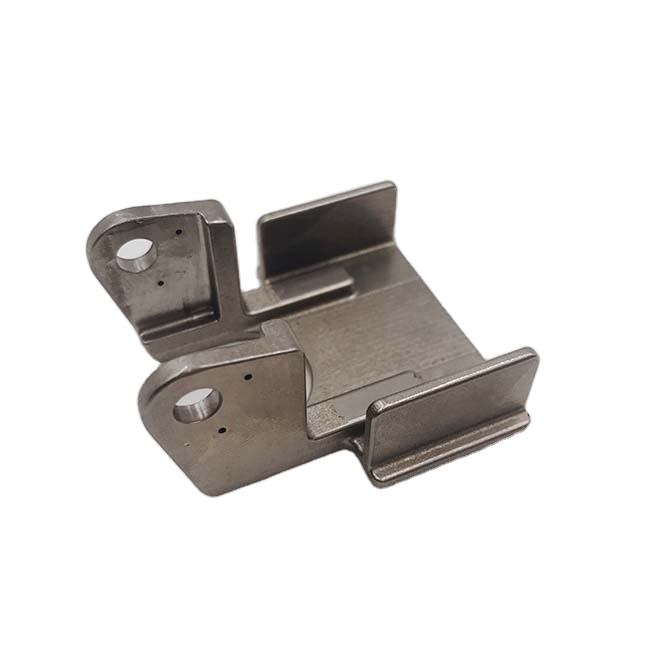
3. Mature Industrial Popularity in Recent Years
In recent years, further development has consolidated its status, fully explainingwhen did 3D printing become popular for mass factory applications.
3.1 Efficient Solution for Rapid Sampling
Modern 3D printing perfectly solves the pain points of slow traditional sampling and high mold modification costs. It supports fast iteration of mold designs and customized hardware tooling production, greatly improving factory R&D efficiency.
3.2 Universal Adoption in Manufacturing Workshops
Today, 3D printing has become a mainstream auxiliary process in hardware processing and plastic mold industries. Almost all new product projects rely on 3D printed samples for pre-production verification, realizing true industrial popularization.
In conclusion, when did 3D printing become popular focuses on the 2010s. With lower costs and mature technology, it has evolved from a niche high-end technique into an essential rapid sampling tool for modern mold and hardware manufacturing.
Where Can I Use a 3D Printer for Hardware and Mold Rapid Sampling
What to Print on 3D Printer for Mold and Hardware Rapid Sampling
Related Article

Fast sampling is the fastest way to win business in the hardware machining and plastic mold industries. Customers want a working sample in days, and a 3D printer delivers it, but only when you know how to print in 3d correctly.
how to print in 3d

Fast sampling is the fastest way to win business in the hardware machining and plastic mold industries. Customers often send an STL file and expect a working sample in days.
how to print an stl file

