
What to Print on 3D Printer for Mold and Hardware Rapid Sampling
Author: SZTC
2026-06-30


Samuel Song Your service representative
Specializing in zinc-aluminum-magnesium alloy die-casting processing, CNC milling, CNC turning, 3D printing, injection molding and sheet metal processing. Manufacturing services.
-----------------------------------------------------------------------------------------------------------------------------------------------------------------------------------------------------------------------------------------------------------------------------------------------------------------------------------------------
For hardware processing and plastic mold manufacturers, 3D printing has completely changed traditional slow trial production workflows. Many factory designers frequently wonder what to print on 3D printer to speed up product verification and lower sampling costs. Industrial 3D printers can produce a wide range of practical prototypes tailored for mold testing and hardware development.
1. Plastic Mold Structural Prototypes
The most common items that define what to print on 3D printer in manufacturing workshops are professional plastic mold samples.
1.1 Complex Mold Cavity Samples
You can print detailed mold cavities with thin walls, deep grooves and intricate hollow structures. These high-precision samples allow teams to check demolding effects, assembly gaps and structural rationality before manufacturing official steel molds, avoiding expensive mold modifications.
1.2 Mold Auxiliary Components
3D printers can also produce custom mold inserts, positioning blocks and auxiliary test parts. These small accessories help optimize mold design and ensure stable performance during formal injection molding production.
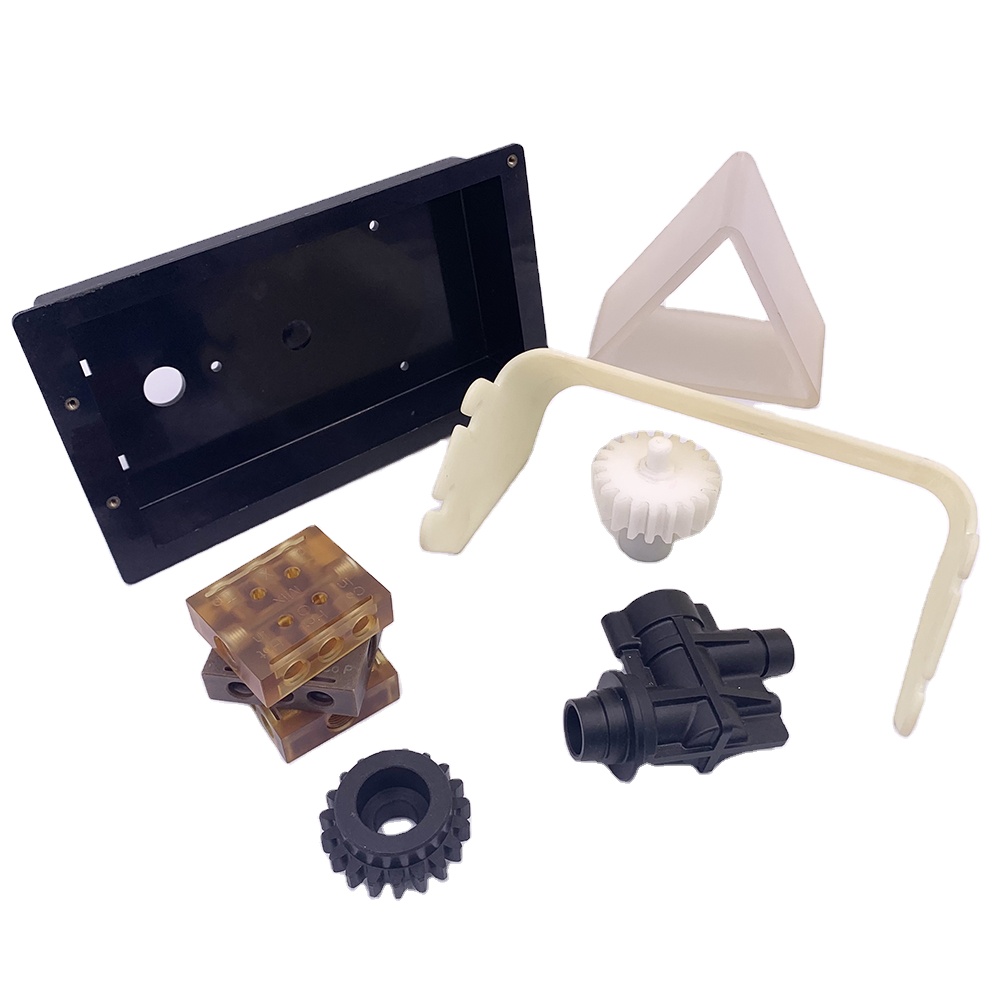
2. Functional Hardware Tooling and Prototypes
When exploring what to print on 3D printer for hardware workshops, functional tooling and custom parts are the most practical choices.
2.1 Custom Processing Jigs and Fixtures
Non-standard assembly jigs, detection fixtures and positioning tools are ideal for 3D printing. These durable printed tools improve processing accuracy, simplify manual operation and greatly boost efficiency in hardware batch testing.
2.2 Special-Shaped Hardware Part Prototypes
Complex special-shaped brackets, connecting gaskets and irregular structural parts that challenge traditional CNC machining can be printed quickly. This allows fast size fitting and strength verification for new hardware product projects.

3. Iterative Test Samples for R&D
A key answer to what to print on 3D printer lies in flexible iterative sampling for product research.
3.1 Multi-Round Design Verification Samples
Engineers can print updated mold and hardware samples repeatedly after each model adjustment. Fast iteration helps fix tiny structural flaws in the early R&D stage and perfect final product design.
3.2 Small-Batch Trial Parts
For new products waiting for mold opening, 3D printing supports small-batch trial parts. These samples can be used for customer confirmation and performance testing, greatly shortening the overall project cycle.
In summary, what to print on 3D printer mainly includes mold prototypes, hardware tooling and iterative test samples. It provides a fast, low-cost and highly flexible rapid sampling solution for hardware processing and plastic mold industries.
When Did 3D Printing Become Popular in Mold and Hardware Manufacturing
What Is 3D Printing Used For in Hardware and Plastic Mold Industry
Related Article

Fast sampling is the fastest way to win business in the hardware machining and plastic mold industries. Customers want a working sample in days, and a 3D printer delivers it, but only when you know how to print in 3d correctly.
how to print in 3d

Fast sampling is the fastest way to win business in the hardware machining and plastic mold industries. Customers often send an STL file and expect a working sample in days.
how to print an stl file

