
What to Know About 3D Printing: The Ultimate Guide for Hardware & Plastic Mold Fast Sampling
Author: SZTC
2026-03-30


Samuel Song Your service representative
Specializing in zinc-aluminum-magnesium alloy die-casting processing, CNC milling, CNC turning, 3D printing, injection molding and sheet metal processing. Manufacturing services.
-----------------------------------------------------------------------------------------------------------------------------------------------------------------------------------------------------------------------------------------------------------------------------------------------------------------------------------------------
In the fast-paced world of hardware processing and plastic mold manufacturing, speed to market is everything. When a client needs a metal bracket sample or a precision mold insert prototype, waiting weeks for traditional CNC machining or mold opening is no longer acceptable. This is where 3D printing emerges as a transformative technology. But if you’re new to the industry or considering adopting this technology, the key question is: what to know about 3D printing to ensure it solves your real-world sampling problems and delivers tangible results?
This blog post will cover the essential knowledge you need to know about 3D printing, specifically tailored to the needs of hardware and plastic mold manufacturers. From core definitions and working principles to industry-specific applications and critical best practices, this guide will leave no doubt about how to leverage 3D printing for fast, efficient, and low-risk prototyping.
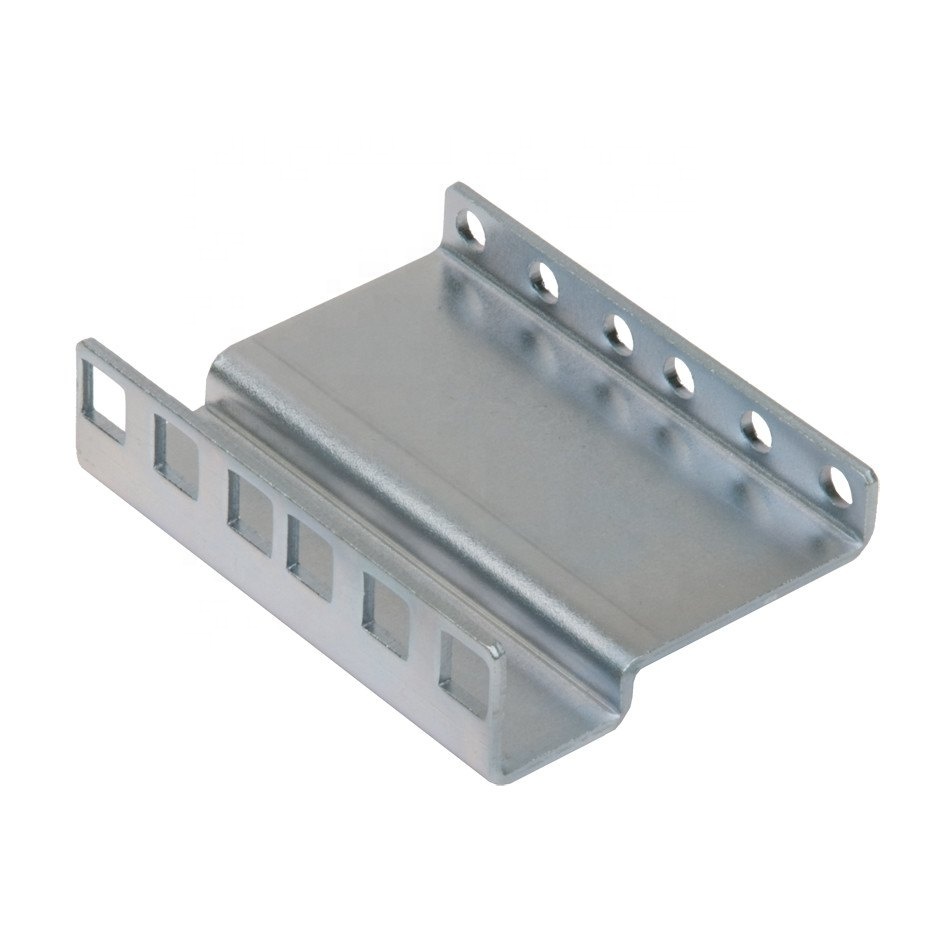
1. The Core Fundamentals: What You Need to Know About 3D Printing Basics
1.1 What is 3D Printing, Exactly?
At its heart, 3D printing—also known as Additive Manufacturing (AM)—is the process of building a three-dimensional object layer by layer from a digital model. Unlike traditional subtractive manufacturing (like CNC machining, which cuts material away), 3D printing adds material only where it is needed.
For the hardware and plastic mold industries, the most important thing to know is that 3D printing eliminates the need for expensive, time-consuming custom molds or fixtures during the prototyping phase. You simply provide a 3D CAD file, and the printer produces a physical sample directly. This is the foundational reason it is a game-changer for fast sample production.
1.2 Key Advantages That Matter for Industry
To fully understand what to know about 3D printing, you must grasp its core benefits that directly address the pain points of hardware and mold manufacturing:
- No Tooling Required: Skip the weeks-long process of making steel molds or special fixtures. This drastically reduces upfront costs and lead times.
- Extraordinary Complexity: 3D printing can easily create intricate geometries (like complex mold cavities or internal channels) that are difficult or impossible to make with traditional methods.
- Rapid Iteration: Design changes are trivial—simply update the digital file and reprint. This allows for instant design validation and optimization.
- Material Efficiency: By building up layers, it minimizes waste of expensive metals and resins, a critical cost saver for industrial applications.
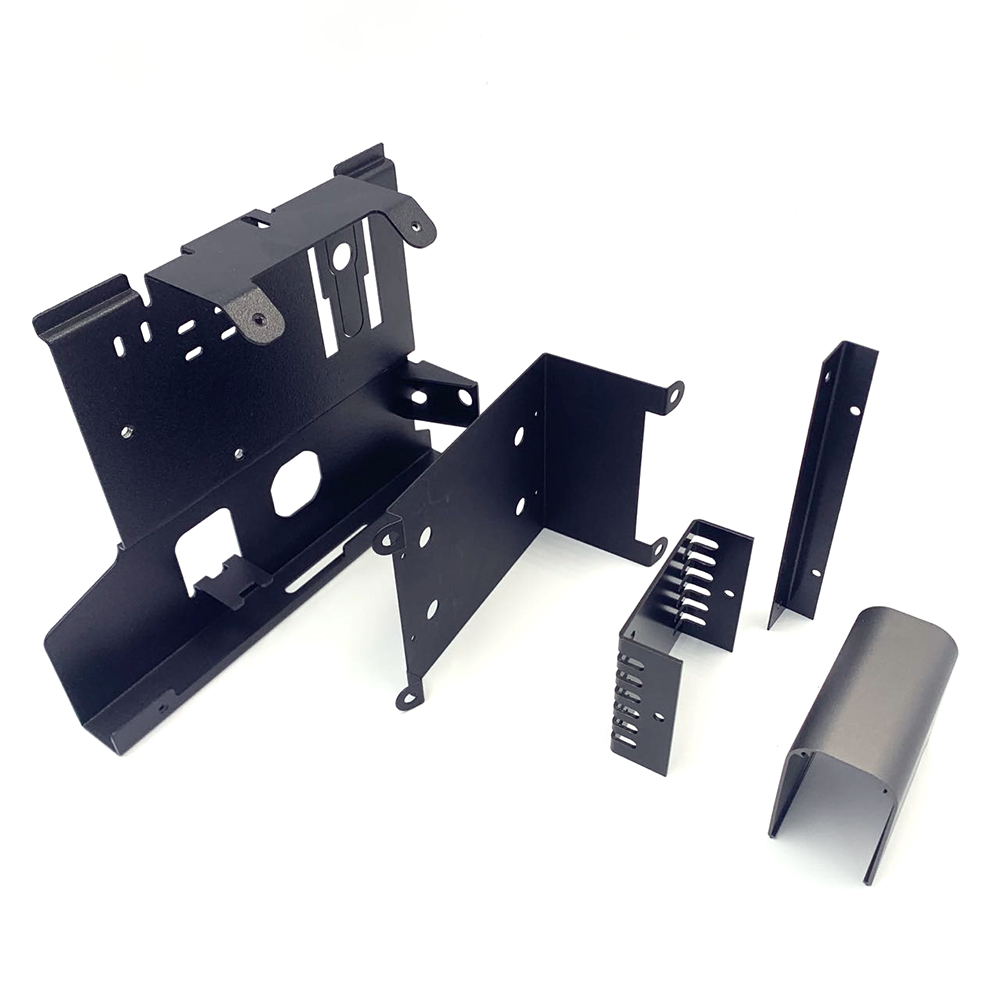
2. The Technology & Workflow: How to Integrate 3D Printing into Your Process
2.1 The Primary 3D Printing Technologies for Industry
Not all 3D printers are created equal. For hardware and plastic mold work, you need to know the two main categories of industrial printers:
- Metal 3D Printers (for Hardware Processing): These use lasers to fuse metal powders (like stainless steel, aluminum, or tool steel) into solid, durable parts. They are ideal for printing functional metal hardware prototypes that meet strength and precision standards.
- Resin/Engineering Plastic 3D Printers (for Plastic Molds): These use high-temperature resistant resins or reinforced plastics to print precision mold inserts, trial molds, and cavity samples. The key is that these printed parts can withstand preliminary injection molding tests.
2.2 A Simplified Industrial Workflow
Knowing the process ensures successful prints. Here is the standard workflow for industrial sampling:
- Design: Create a flawless 3D CAD model of your hardware part or mold insert.
- Slicing: Use software to slice the model into thin layers and generate print instructions (G-code).
- Print: The 3D printer builds the part layer by layer, automatically.
- Post-Processing: Remove support structures, sand, or perform heat treatment (for metals). The sample is ready in hours, not days.
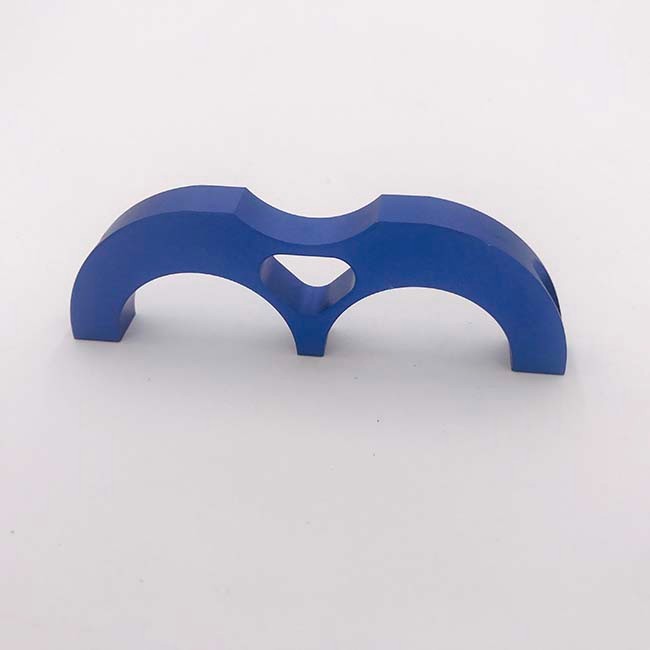
3. Industry-Specific Applications: What to Know for Your Business
3.1 What to Know About 3D Printing for Hardware Processing
For metal hardware manufacturers, 3D printing solves the nightmare of slow CNC prototyping.
- Fast Metal Prototyping: Print brackets, fasteners, and custom mechanical parts in 6–24 hours instead of 3–15 days.
- Functional Testing: Produce parts that are not just for show—they can be tested for fit, load-bearing, and durability.
- Complex Parts: Realize designs that traditional machining cannot handle, such as hollow structures or integrated components.
3.2 What to Know About 3D Printing for Plastic Mold Manufacturing
Mold development is high-risk and costly. 3D printing mitigates this perfectly.
- Low-Risk Trial Molds: Print affordable trial molds and inserts in 4–12 hours. Test draft angles, cooling channels, and part release before committing to expensive steel molds.
- Avoid Rework: Catch design flaws early, saving thousands of dollars in retooling costs and weeks of delay.
- Fast Client Samples: Deliver physical plastic product samples to clients for approval while the final mold is being built.
3.3 The Core Value Proposition
Summarizing what to know about 3D printing for your bottom line: it compresses the sampling cycle from weeks to hours, reduces development risks, and allows your team to iterate quickly. It is not just a "nice-to-have" technology; it is a necessity for competing in today's market.
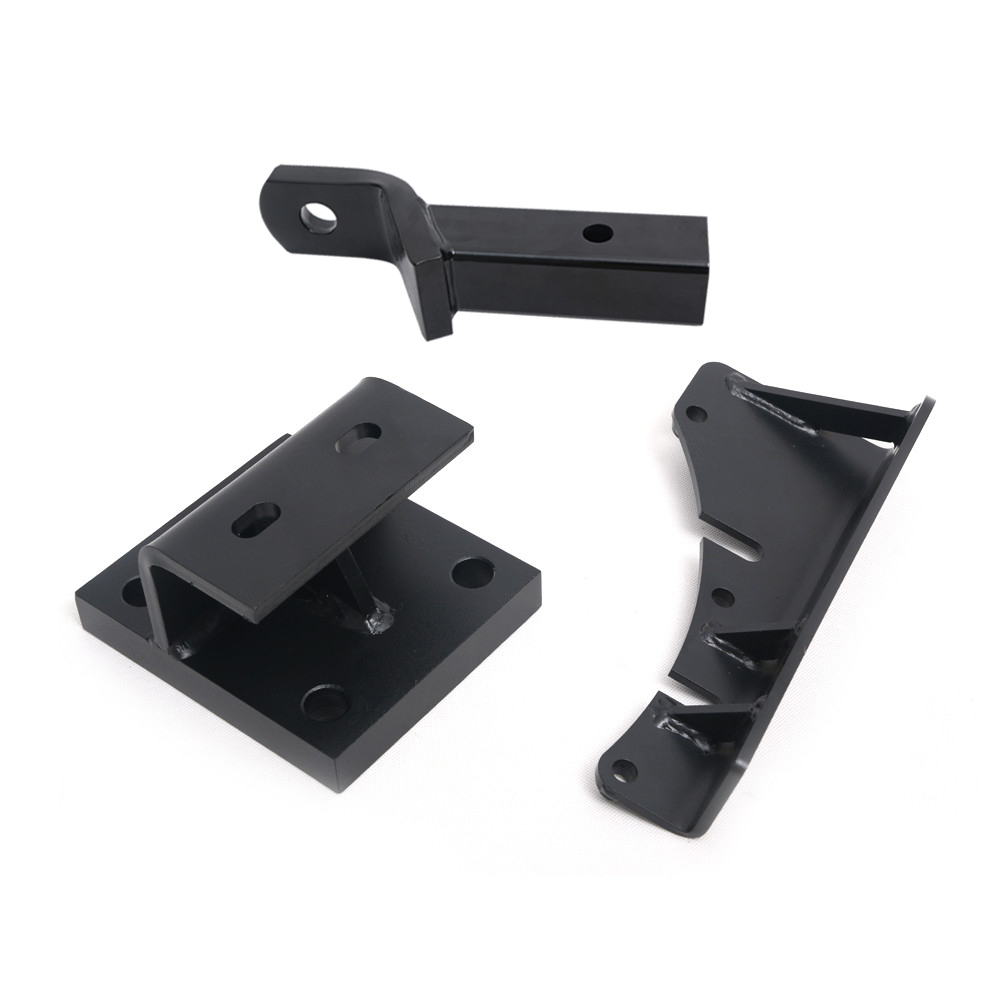
4. Critical Best Practices: Ensuring Success with 3D Printing
4.1 Choose the Right Vendor or Equipment
If you are outsourcing, what to know is that you must partner with an industrial-grade provider, not a consumer-level one. They must offer metal printing for hardware and high-temp resin printing for molds, and have a proven track record in the tooling industry.
4.2 Optimize Your Design for Print
Before sending your file, simplify non-critical features to speed up printing and reduce costs. Work with your print provider to design for additive manufacturing (DfAM) to maximize the technology's benefits.
4.3 Plan for Post-Processing
Know that 3D printed parts rarely need extensive finishing, but they do require basic steps—support removal, sanding, or heat treatment for metals. Factor this into your timeline to ensure samples are production-ready when received.
Final Recap: To sum up what to know about 3D printing for hardware and plastic mold industries: it is an industrial additive manufacturing technology that delivers fast, mold-free, high-precision prototyping. By understanding its core definition, suitable technologies, industry-specific applications, and best practices, you can transform your slow, costly sampling process into a streamlined, efficient workflow. 3D printing is the key to staying competitive in a market that demands speed, agility, and quality.
Where Can I 3D Print? A Guide for Hardware & Plastic Mold Fast Sampling
What is a Three D Printer: Fast Sampling Equipment for Hardware & Plastic Mold Industries
Related Article

Fast sampling is the fastest way to win business in the hardware machining and plastic mold industries. Customers want a working sample in days, and a 3D printer delivers it, but only when you know how to print in 3d correctly.
how to print in 3d

Fast sampling is the fastest way to win business in the hardware machining and plastic mold industries. Customers often send an STL file and expect a working sample in days.
how to print an stl file

