
What Kind of QC Inspection Reports Do You Provide? A Complete Guide
Author: SZTC
2026-02-02
Quality control (QC) inspection reports are the backbone of ensuring product compliance, reliability, and transparency in global supply chains. Whether you’re a manufacturer, importer, or retailer, knowing the right type of QC inspection report for your needs is critical to mitigating risks, meeting regulatory standards, and maintaining customer trust. So, what kind of QC inspection reports do you provide? In this blog, we break down our comprehensive suite of QC inspection reports, organized by core inspection scenarios, to help you identify the perfect fit for your business.
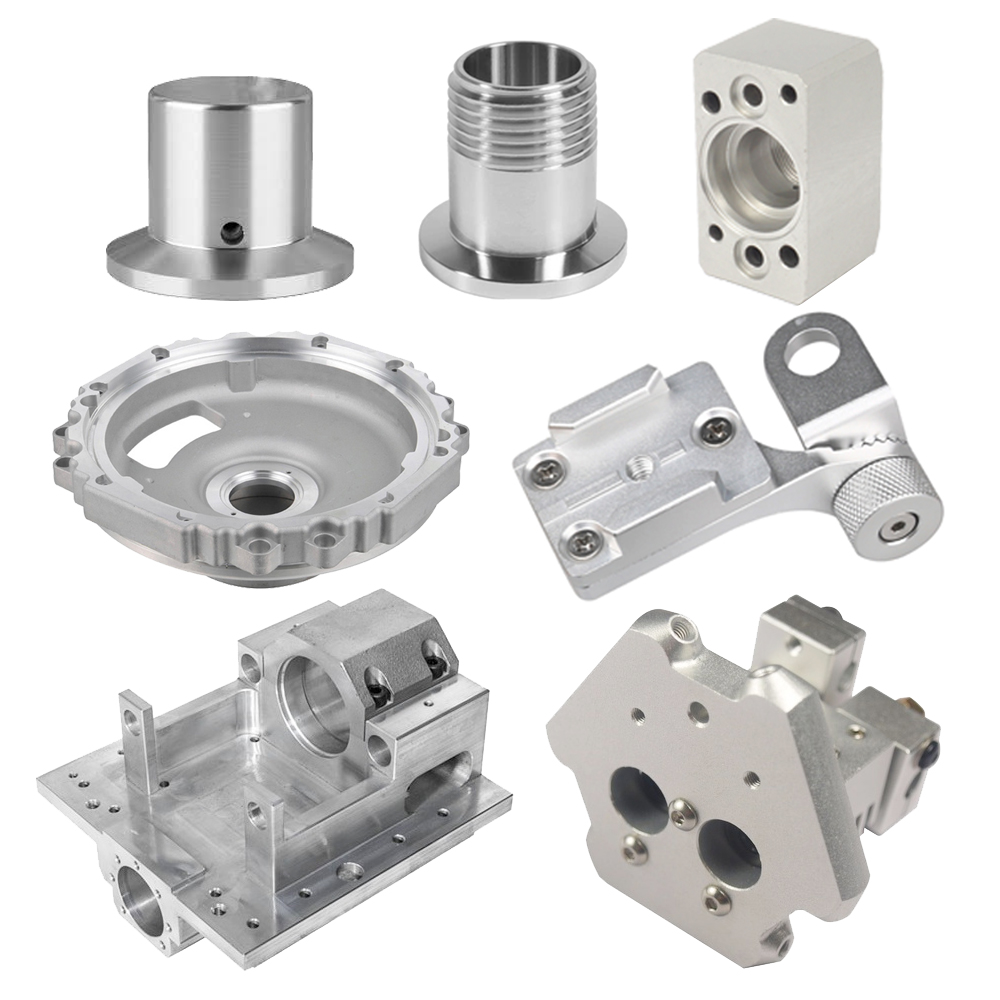
1. Pre-Production Inspection (PPI) Reports
Pre-production inspections take place before mass production begins, focusing on raw materials, components, and initial production setups. Our PPI reports are designed to catch potential issues early, preventing costly rework or delays later in the production cycle.
1.1 Key Content of PPI Reports
Each PPI report includes a detailed assessment of raw material quality (verifying compliance with agreed specifications, such as material composition and durability), component compatibility (ensuring parts fit together as designed), and production line readiness (checking equipment calibration, worker training, and process documentation). We also document any non-conformities, along with photos and recommendations for corrective actions.
1.2 Ideal Use Cases for PPI Reports
This report is essential for businesses working with new suppliers, launching a new product, or using high-value or critical raw materials. It’s particularly valuable for industries like electronics, automotive, and medical devices, where material defects can lead to severe safety or performance issues.
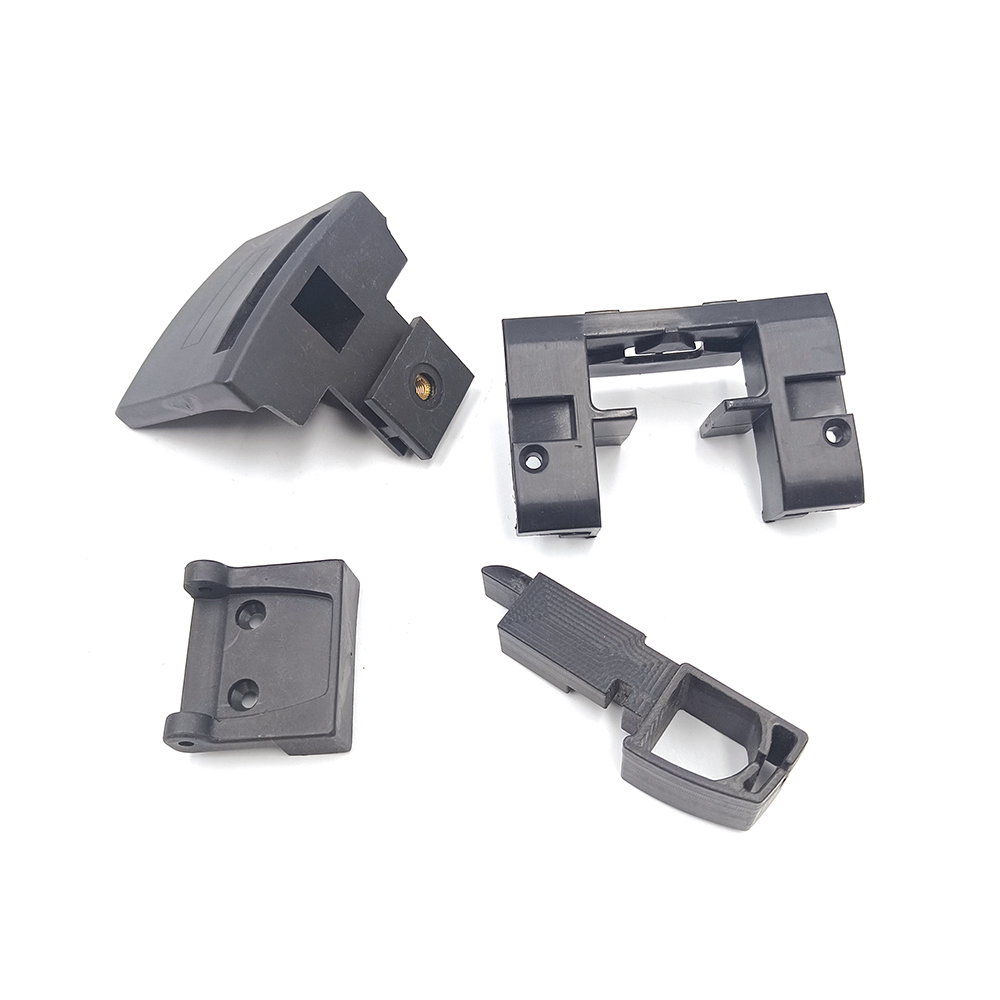
2. During Production Inspection (DPI) Reports
During production inspections (also called in-line inspections) are conducted when 10-50% of production is complete. These reports focus on real-time production quality, ensuring that processes adhere to standards as goods are being manufactured.
2.1 Key Content of DPI Reports
Our DPI reports include checks on production process consistency (verifying that each unit meets the same quality benchmarks), work-in-progress (WIP) quality (assessing partially finished products for defects), and compliance with production schedules. We also evaluate packaging materials if they’re being produced alongside the main goods, and note any deviations from the approved sample or specifications.
2.2 Ideal Use Cases for DPI Reports
DPI reports are ideal for long production runs, products with complex manufacturing processes, or when working with suppliers with a history of inconsistent quality. They help businesses address issues mid-production, reducing the number of defective finished goods.

3. Pre-Shipment Inspection (PSI) Reports
Pre-shipment inspections are the most common type of QC inspection, conducted when 100% of production is complete and goods are ready for shipment. Our PSI reports provide a final verification of quality before goods leave the supplier’s facility.
3.1 Key Content of PSI Reports
PSI reports include a full range of checks: product appearance (looking for scratches, dents, or color inconsistencies), functionality (testing performance against agreed standards), dimensions (verifying size and fit), packaging (ensuring goods are properly protected for shipping), labeling (checking for correct branding, barcodes, and regulatory labels), and quantity (confirming the number of units matches the order). We also conduct random sampling based on AQL (Acceptable Quality Level) standards to ensure statistical reliability.
3.2 Ideal Use Cases for PSI Reports
This report is suitable for almost all industries and product types, especially for importers who want to avoid receiving defective goods. It’s particularly important for high-volume orders, consumer goods, and products sold in regulated markets (e.g., EU, US).
4. Specialized QC Inspection Reports
Beyond the core pre-production, in-line, and pre-shipment reports, we offer specialized QC inspection reports tailored to unique industry or product requirements. These reports address specific quality concerns that standard inspections may not cover.
4.1 Factory Audit & Compliance Reports
While not a product inspection, factory audit reports assess a supplier’s overall quality management system (QMS), production capacity, and compliance with ethical or regulatory standards (e.g., ISO 9001, social compliance). These reports include evaluations of facility conditions, worker safety, documentation practices, and quality control processes.
4.2 Lab Testing & Certification Reports
For products requiring technical or regulatory verification, we provide lab testing reports. These include tests for material composition, durability, safety (e.g., fire resistance, electrical safety), and compliance with industry standards (e.g., FDA for food contact materials, CE for European markets). Reports include detailed test results, pass/fail assessments, and certification documentation where applicable.
4.3 Load & Container Inspection Reports
These reports focus on the final stage of shipment, verifying that goods are properly loaded into containers to prevent damage during transit. They include checks on container condition (looking for leaks, damage, or contamination), loading density, securing of goods (to prevent shifting), and seal integrity. This report is critical for international shipments of fragile or high-value goods.
Why Our QC Inspection Reports Stand Out
Every QC inspection report we provide is prepared by certified inspectors with industry-specific expertise, ensuring accuracy and relevance. Reports are objective, data-driven, and include photo evidence of defects or compliance, making it easy to communicate with suppliers and make informed decisions. We also customize reports to align with your unique requirements, whether you need additional checks for a specific product or compliance with regional regulations.
In summary, we offer a full range of QC inspection reports to cover every stage of the production and shipment process—from pre-production material checks to post-production lab testing. By choosing the right report for your needs, you can protect your brand, reduce risks, and ensure that your products meet the highest quality standards. If you’re still asking, “What kind of QC inspection reports do you provide?” our team is ready to tailor a solution for your business.
How Do You Ensure the Plating Thickness and Salt Spray Test Requirements Are Met? Expert QC Solutions
Do Gold Plated Chains Turn Green? Causes and How to Prevent It
Related Article

Fast sampling is the fastest way to win business in the hardware machining and plastic mold industries. Customers want a working sample in days, and a 3D printer delivers it, but only when you know how to print in 3d correctly.
how to print in 3d

Fast sampling is the fastest way to win business in the hardware machining and plastic mold industries. Customers often send an STL file and expect a working sample in days.
how to print an stl file

