
What is the Difference Between Nylon and Polyester
Author: SZTC
2025-07-02
When shopping for clothing, outdoor gear, or home textiles, you've likely encountered the materials nylon and polyester. Both are synthetic fibers widely used in various industries, but they possess distinct characteristics that set them apart. In this blog, we'll delve into the key differences between nylon and polyester to help you make more informed choices.
Nylon
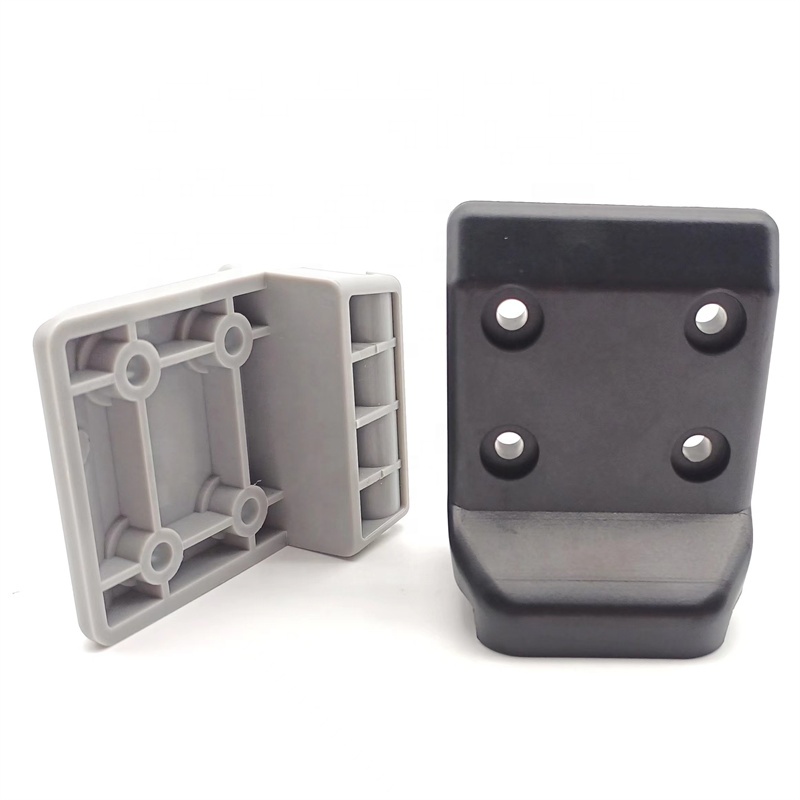
Wallace Carothers created nylon, the first synthetic material in history, at DuPont in 1935. It is a polyamide that is created when diamines and dicarboxylic acids combine chemically. Because of its special structure, nylon has a high degree of strength and flexibility. Originally intended to replace silk, it soon became well-known for its adaptability in both consumer and commercial settings.
Polyester
Polyester, developed later in the 1940s, is a category of polymers made from polycondensation of carboxylic acid and alcohol. The most common type, polyethylene terephthalate (PET), is created from purified terephthalic acid and monoethylene glycol. Polyester's chemical makeup contributes to its excellent resistance to stretching, shrinking, and wrinkling, making it a staple in the textile industry.
Strength and Durability
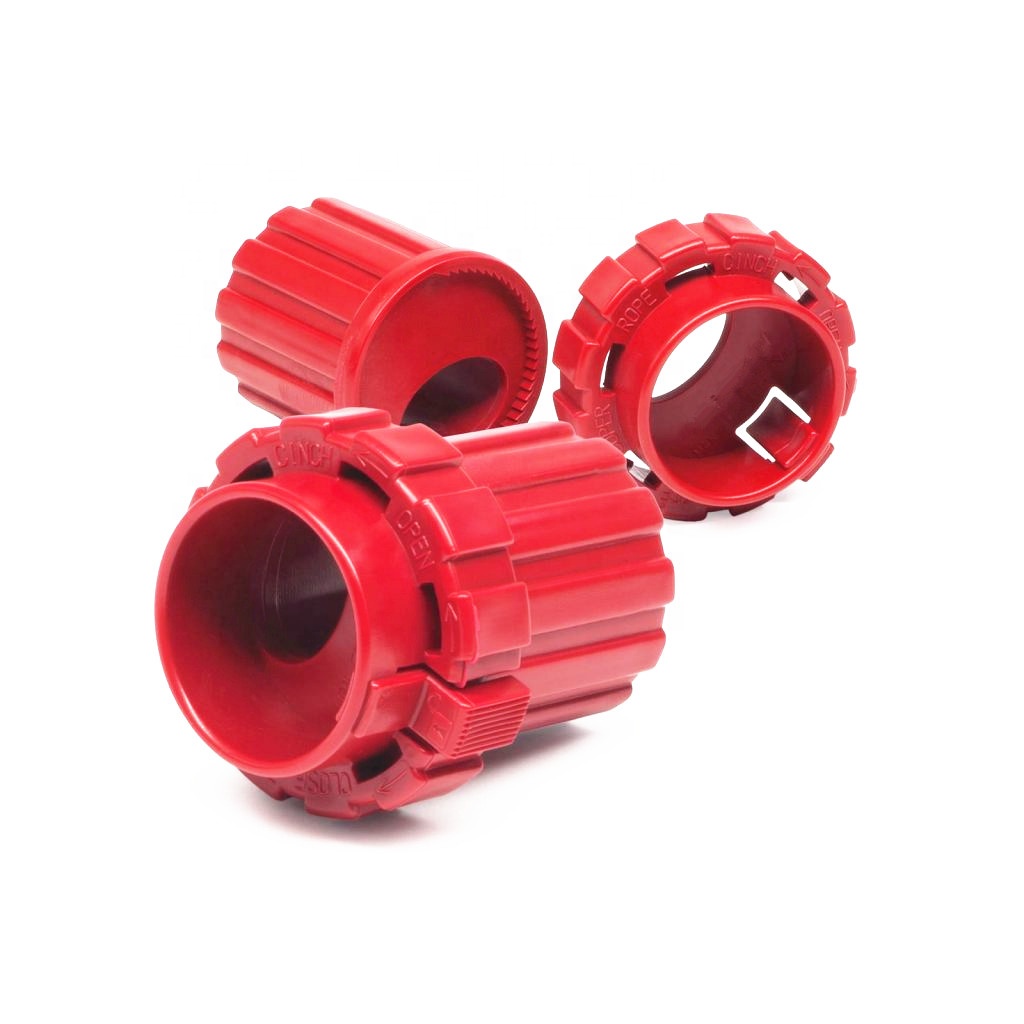
Nylon generally outperforms polyester in terms of tensile strength, allowing it to withstand greater pulling forces without breaking. It also has better abrasion resistance, making it ideal for products like climbing ropes, backpacks, and heavy - duty workwear that endure a lot of friction. Polyester, while durable, may show signs of wear more quickly under extreme conditions.
Moisture Absorption
Nylon has a relatively higher moisture absorption rate compared to polyester. It can absorb up to 4 - 5% of its weight in water, which can make it feel damp against the skin when wet. In contrast, polyester is highly hydrophobic, absorbing less than 1% of its weight in water. This property makes polyester a great choice for sportswear and outdoor apparel, as it helps keep the wearer dry by wicking sweat away from the body.
Wrinkle Resistance
Polyester excels in wrinkle resistance. Its smooth surface and molecular structure prevent fibers from easily creasing, allowing clothes made of polyester to maintain a neat appearance even after long - term wear or storage. Nylon, on the other hand, is more prone to wrinkling, although modern treatments can improve its wrinkle - resistant properties to some extent.

Applications
Nylon
Due to its strength and abrasion resistance, nylon is commonly used in applications that require toughness. It's found in items like parachutes, seat belts, fishing lines, and outdoor tents. In the fashion industry, nylon is used for activewear, raincoats, and lingerie because of its stretchiness and durability.
Polyester
Polyester's wrinkle resistance and moisture - wicking abilities make it a top choice for sportswear, such as running shirts, yoga pants, and swimwear. It's also widely used in home textiles like curtains, bed sheets, and upholstery due to its easy - care nature and colorfastness. Additionally, polyester is used in the production of synthetic leather and fiberfill for pillows and jackets.
Care and Environmental Impact
Care
Nylon is generally easy to care for. It can be machine - washed in cold water with a mild detergent, and it dries relatively quickly. However, it's sensitive to high heat, which can cause it to melt or shrink. Polyester, on the other hand, is more heat - resistant and can often be tumble - dried on low settings. It's also less likely to fade in the sun, making it a practical option for outdoor items.
Environmental Impact
Both nylon and polyester are derived from petroleum, contributing to environmental concerns related to fossil fuel consumption. When it comes to biodegradability, neither material breaks down easily in landfills. However, efforts are being made to recycle both nylon and polyester, reducing their environmental footprint. For example, recycled polyester is increasingly being used in the production of new textiles.
In conclusion, while nylon and polyester are both synthetic fibers with many useful properties, their differences in chemical structure, physical performance, applications, care requirements, and environmental impact make them suitable for different purposes. By understanding these distinctions, you can select the material that best fits your specific needs, whether it's for clothing, gear, or home decor.
What is the Difference Between Polyester and Nylon
What Is Stronger Nylon Or Polyester
Related Article

Fast sampling is the fastest way to win business in the hardware machining and plastic mold industries. Customers want a working sample in days, and a 3D printer delivers it, but only when you know how to print in 3d correctly.
how to print in 3d

Fast sampling is the fastest way to win business in the hardware machining and plastic mold industries. Customers often send an STL file and expect a working sample in days.
how to print an stl file

