
Gold Filled vs. Gold Plated: What’s the Real Difference?
Author: SZTC
2025-10-10
If you’ve ever shopped for jewelry, watches, or home decor, you’ve probably come across terms like “gold filled” and “gold plated.” At first glance, both sound like affordable alternatives to solid gold—but they’re far from the same. Understanding their differences is key to avoiding buyer’s remorse, whether you’re investing in a everyday necklace or a special gift. Let’s break down what each term means, how they’re made, and which one is right for you.
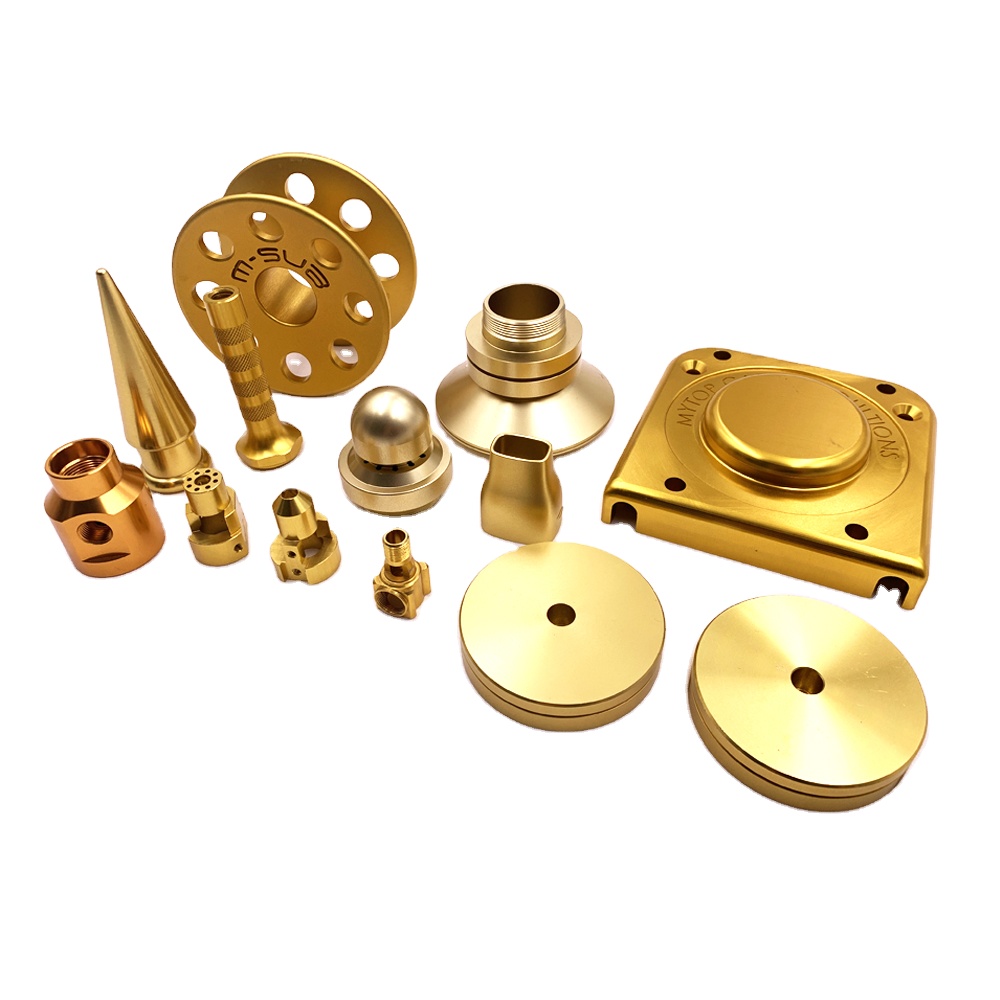
Gold plated items are the most common and budget-friendly “gold-looking” option on the market. But what exactly does “plated” mean?
1.1 Definition of Gold Plated
Gold plated (often labeled “GP” or “Gold Plated”) refers to a base metal (like copper, brass, or nickel) covered with a thin layer of real gold. The gold layer is so thin, in fact, that it’s usually measured in microinches (one microinch = 0.000001 inches) or milligrams per square centimeter.
1.2 How Gold Plating Is Made
The process uses electroplating (also called electrolysis):
- The base metal is cleaned and polished to remove dirt or oils.
- It’s dipped into a solution containing dissolved gold ions.
- An electric current is passed through the solution, which causes the gold ions to stick to the base metal, forming a thin coating.
Most gold plated items have a gold layer as thin as 0.5 to 2.5 microinches—barely enough to withstand regular wear.
1.3 Key Traits of Gold Plated Items
- Affordability: Since the gold layer is minimal, plated items are cheap (often \(10–\)50 for jewelry).
- Durability: Poor. The gold wears off quickly, especially with friction (e.g., bracelets rubbing against sleeves) or exposure to water, sweat, or chemicals (perfume, lotion). Once the layer fades, the base metal (which may be nickel, a common allergen) shows through.
- Appearance: Shiny and gold-like at first, but it loses its luster within months (or even weeks) of regular use.

Gold filled (abbreviated “GF” or “Gold Filled”) is a step up from gold plated—it’s more durable, longer-lasting, and still more affordable than solid gold.
2.1 Definition of Gold Filled
Gold filled items consist of a thick layer of real gold bonded to a base metal (usually brass or copper). Unlike plated items, the gold layer here is substantial: by law (in the U.S. and many countries), gold filled must contain at least 5% of the total weight in real gold. The gold layer is typically 50 to 100 times thicker than gold plating—measured in mils (one mil = 0.001 inches) instead of microinches.
2.2 How Gold Filling Is Made
The process uses mechanical bonding (not just electroplating), which makes the gold layer far more secure:
- A sheet of base metal is sandwiched between two thin sheets of real gold.
- The layers are heated and rolled under high pressure until they fuse into a single, solid material.
- This fused material is then shaped into jewelry, watch bands, or other items. Some pieces may get a final electroplating touch to refine the finish, but the core bond is mechanical.
2.3 Key Traits of Gold Filled Items
- Durability: Excellent. The thick, bonded gold layer resists wear, friction, and exposure to water/sweat. With proper care (avoiding harsh chemicals), gold filled items can last 10–30 years—some even pass down as heirlooms.
- Hypoallergenic: For most people, yes. The thick gold layer covers the base metal completely, so nickel or brass allergies are rarely a problem (unlike gold plated items, where the base metal peeks through quickly).
- Value: Higher than gold plated. While not as expensive as solid gold, gold filled holds its value better and doesn’t need frequent replacement.
- Appearance: Rich, warm, and similar to solid gold. It doesn’t tarnish easily and maintains its shine for years.

Now that we’ve defined each, let’s highlight the critical differences that matter most to shoppers:
3.1 Gold Layer Thickness & Composition
- Gold Plated: 0.5–2.5 microinches of gold (negligible weight). The gold is just a surface coating, not bonded deeply to the base metal.
- Gold Filled: 5%+ real gold by weight (50–100x thicker than plating). The gold is mechanically fused to the base, making it part of the item’s structure.
3.2 Durability & Longevity
- Gold Plated: Lasts weeks to months. Fades with regular use; base metal shows through quickly.
- Gold Filled: Lasts 10–30 years. Withstands daily wear; gold layer rarely wears off completely.
3.3 Cost & Value
- Gold Plated: Cheap (\(10–\)50 for jewelry). Low value; needs replacement often.
- Gold Filled: Moderate (\(50–\)200+ for jewelry). Higher value; holds up over time, so it’s a better long-term investment.
3.4 Care Requirements
- Gold Plated: High maintenance. Avoid water, sweat, perfume, and friction. Clean gently with a dry cloth only.
- Gold Filled: Low maintenance. Can be worn daily; clean with mild soap and water (avoid harsh chemicals like chlorine).
4. Which One Should You Choose?
The answer depends on your needs, budget, and how you plan to use the item:
- Choose Gold Plated If: You want a trendy, disposable piece (e.g., a seasonal necklace) or don’t want to spend much. It’s great for accessories you’ll wear occasionally, not daily.
- Choose Gold Filled If: You want a daily-wear item (e.g., a wedding band alternative, a everyday bracelet) that lasts. It’s ideal if you have metal allergies or want something that holds value.
At the end of the day, both are better than “gold tone” (which has no real gold at all)—but gold filled is the clear winner for quality and longevity.
Whats The Difference Between Gold Plated And Gold Filled Jewelry
What Is Gold Plate? A Comprehensive Guide for Shoppers and Enthusiasts
Related Article

Fast sampling is the fastest way to win business in the hardware machining and plastic mold industries. Customers want a working sample in days, and a 3D printer delivers it, but only when you know how to print in 3d correctly.
how to print in 3d

Fast sampling is the fastest way to win business in the hardware machining and plastic mold industries. Customers often send an STL file and expect a working sample in days.
how to print an stl file

