
What Is Stronger Nylon Or Polyester
Author: SZTC
2025-07-02
When it comes to choosing between nylon and polyester for various applications, one of the most common questions is: which one is stronger? Both materials have their unique properties and advantages, and understanding their strength characteristics can help you make an informed decision. In this blog post, we will explore the differences in strength between nylon and polyester.
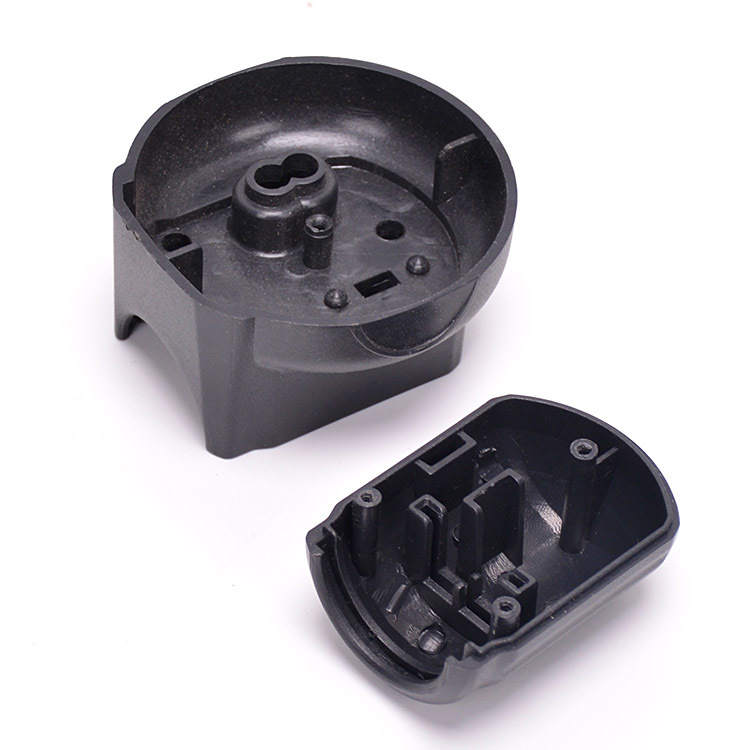
Nylon
In the 1930s, the synthetic polymer nylon was first used. It was created as a silk substitute and was the first completely synthetic fiber in history. Nylon is renowned for its exceptional durability, flexibility, and strength-to-weight ratio. It has some degree of resistance to moisture, chemicals, and abrasion. Applications for nylon fibers include carpets, parachutes, ropes, and apparel.
Polyester
Polyester, on the other hand, is another widely used synthetic fiber. It was developed in the 1940s and has since become one of the most popular fibers in the textile industry. Polyester is valued for its excellent wrinkle resistance, colorfastness, and durability. It is also resistant to stretching and shrinking, making it a great choice for clothing that needs to maintain its shape. Polyester is commonly used in sportswear, outdoor clothing, upholstery, and bedding.

Tensile Strength
Tensile strength refers to the amount of stress a material can withstand before breaking when stretched. Generally, nylon has a higher tensile strength than polyester. Nylon fibers can withstand greater pulling forces without breaking, which makes it an ideal choice for applications where high - strength cords and ropes are required, such as climbing gear or towing ropes. For example, in the production of mountaineering ropes, nylon's superior tensile strength provides an added layer of safety for climbers.
Abrasion Resistance
Both nylon and polyester have good abrasion resistance, but nylon often outperforms polyester in this aspect. Nylon's ability to resist wear and tear from friction makes it suitable for products that are subject to a lot of rubbing, like backpack straps or the seats of outdoor furniture. Polyester, while still quite durable in terms of abrasion, may show signs of wear more quickly under heavy - use conditions compared to nylon.
Impact Resistance
Nylon also has an edge when it comes to impact resistance. It can absorb more energy from sudden impacts without breaking or deforming. This property makes nylon a preferred material for items like protective gear, such as knee pads and elbow pads. Polyester, although durable, is not as effective at withstanding sharp impacts as nylon.

The choice between nylon and polyester depends on the specific requirements of your project or application. If you need a material with high tensile strength, excellent abrasion resistance, and good impact resistance, nylon is likely the better option. It is suitable for heavy - duty applications where strength and durability are crucial. However, if wrinkle resistance, colorfastness, and dimensional stability are more important, polyester may be the way to go. It is a great choice for everyday clothing, home textiles, and many consumer products.
In conclusion, while nylon generally has the upper hand in terms of overall strength, both nylon and polyester have their own strengths and are valuable materials in different contexts. By understanding their properties, you can select the right material to meet your needs.
What is the Difference Between Nylon and Polyester
What Is Better Polyamide Or Polyester?
Related Article

Fast sampling is the fastest way to win business in the hardware machining and plastic mold industries. Customers want a working sample in days, and a 3D printer delivers it, but only when you know how to print in 3d correctly.
how to print in 3d

Fast sampling is the fastest way to win business in the hardware machining and plastic mold industries. Customers often send an STL file and expect a working sample in days.
how to print an stl file

