
What is POM Material?
Author: SZTC
2025-06-11
POM, or polyoxymethylene, is a versatile engineering thermoplastic that has found its way into a wide range of applications across multiple industries. In this blog, we'll explore what POM material is, its properties, types, and common uses.

Definition and Basics of POM Material
Chemical Structure and Composition
POM, also known as acetal, is a semi - crystalline thermoplastic. It is synthesized through the polymerization of formaldehyde. Its chemical structure consists of repeating units of -CH₂O-, which gives it unique physical and mechanical properties. POM is produced through either a homopolymerization or copolymerization process, resulting in two main types: homopolymer POM and copolymer POM. The precise chemical makeup and manufacturing process influence the final properties of the material, making it suitable for various demanding applications.
General Overview
POM material is characterized by its high density, typically ranging from 1.41 - 1.43 g/cm³. It has a smooth, shiny surface finish and excellent dimensional stability, meaning it retains its shape and size even under varying environmental conditions. POM is available in different forms, including pellets for injection molding, sheets, rods, and tubes, which can be further machined into specific parts as required.

Mechanical Properties
POM exhibits outstanding mechanical properties. It has high tensile strength, which allows it to withstand significant pulling forces without breaking. Its modulus of elasticity is relatively high, giving it good stiffness and the ability to resist deformation under load. Additionally, POM has excellent fatigue resistance, making it ideal for parts that are subject to repeated stress, such as gears and bearings. The material also shows good abrasion resistance, reducing wear and tear in applications where friction is a factor.
Physical and Chemical Properties
POM has a relatively low coefficient of friction, which means it can slide smoothly against other surfaces. This property makes it suitable for applications like bushings and conveyor components. It has good resistance to a wide range of chemicals, including many solvents, fuels, and detergents. However, it is not resistant to strong acids and bases. In terms of physical properties, POM has a relatively low water absorption rate, which helps maintain its dimensional stability in humid environments. It also has a moderate melting point, typically around 175 - 185°C for homopolymer POM and 165 - 175°C for copolymer POM, which influences its processing and application temperature ranges.
Types of POM Material
Homopolymer POM
Homopolymer POM is made from the polymerization of pure formaldehyde. It offers higher tensile strength, better creep resistance (the tendency of a material to deform under constant stress over time), and superior abrasion resistance compared to copolymer POM. These characteristics make it well - suited for applications that require high mechanical performance, such as precision gears, automotive engine components, and high - load - bearing bushings.
Copolymer POM
Copolymer POM is produced by copolymerizing formaldehyde with a comonomer, usually ethylene oxide. This type of POM has better chemical resistance, especially to hot water and alkalis, and improved thermal stability. Copolymer POM is often used in applications where exposure to chemicals or high - temperature environments is expected, such as plumbing fixtures, electrical connectors, and household appliances.
Applications of POM Material
In the Automotive Industry
In the automotive sector, POM is widely used. It is employed in the production of various engine components, such as fuel injection systems, valve seats, and timing belt tensioners, due to its high strength and resistance to heat and chemicals. POM is also used for interior parts like door handles, window regulators, and gearshift knobs because of its aesthetic appeal, durability, and low friction properties.
In Electronics and Electrical Appliances
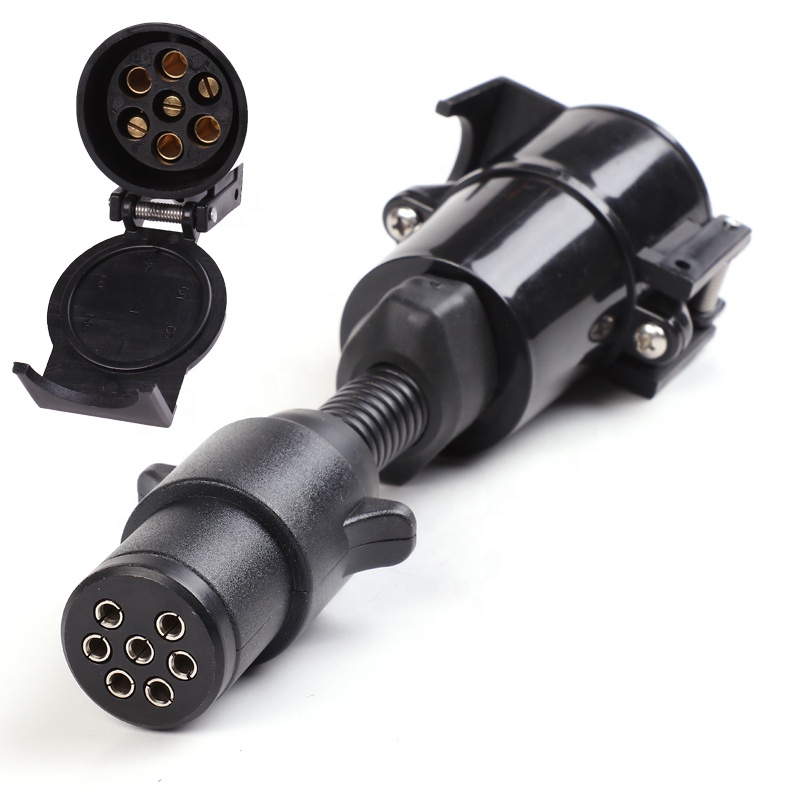
For electronics and electrical appliances, POM's electrical insulation properties, dimensional stability, and resistance to heat make it a popular choice. It is used to manufacture components like electrical connectors, switches, and insulators. In household appliances, POM can be found in parts of washing machines, dishwashers, and vacuum cleaners, where it provides durability and smooth operation.
In Other Industries
POM also has applications in the medical industry, where its biocompatibility (in some grades) and low friction properties make it suitable for certain medical devices and components. In the consumer goods industry, it is used to make items such as zippers, pen barrels, and toy parts. Additionally, in the industrial sector, POM is used for making conveyor belts, bushings, and rollers due to its wear - resistant and low - friction characteristics.
Future Trends of POM Material
New Applications and Developments
As technology advances, new applications for POM material are emerging. Researchers are exploring ways to enhance its properties further, such as improving its impact resistance or adding conductive properties for use in electronic devices. With the growth of industries like 3D printing, POM filaments are becoming more popular, enabling the creation of custom - made parts with complex geometries.
Sustainability and Recycling
There is also a growing focus on the sustainability of POM material. Efforts are being made to develop more environmentally friendly production processes and increase the recyclability of POM products. Recycling POM can help reduce waste and conserve resources, making it more in line with the global push for sustainable manufacturing practices.
In conclusion, POM material is a remarkable engineering thermoplastic with a wide range of properties and applications. Its unique characteristics make it an essential material in many industries, and with ongoing research and development, its potential for new uses and improved performance continues to grow.
What is POM Plastic Material
How Many Jobs Are Available in Metal Fabrications?
Related Article

Fast sampling is the fastest way to win business in the hardware machining and plastic mold industries. Customers want a working sample in days, and a 3D printer delivers it, but only when you know how to print in 3d correctly.
how to print in 3d

Fast sampling is the fastest way to win business in the hardware machining and plastic mold industries. Customers often send an STL file and expect a working sample in days.
how to print an stl file

