
What Is Nickel Plating? An In-Depth Exploration
Author: SZTC
2025-07-09
Nickel plating is a widely used metal finishing technique that has been integral to various industries for decades. From enhancing the shine of decorative items to boosting the durability of industrial parts, its applications are vast and varied. But what exactly is nickel plating, and how does it work? This blog will delve into the details of nickel plating, covering its definition, processes, types, and more.
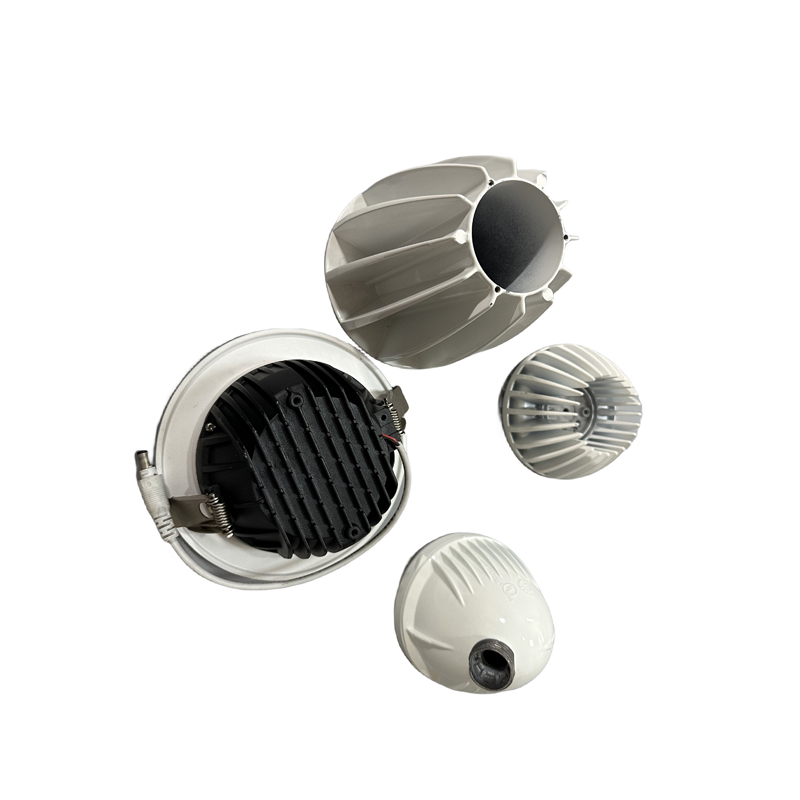
To grasp the concept of nickel plating, it’s essential to start with its core definition and how it fits into the world of metal finishing.
1.1 Defining Nickel Plating
Nickel plating is an electrochemical process that deposits a thin layer of nickel onto the surface of a metal substrate. This layer adheres to the substrate through an electric current, which drives nickel ions from a plating solution to the substrate, forming a solid, metallic nickel coating. The result is a surface that offers improved properties such as corrosion resistance, wear resistance, and a more appealing appearance.
1.2 The Role of Nickel Plating in Metal Finishing
In the broader context of metal finishing, nickel plating serves as both a standalone treatment and a preparatory step. It can be applied to enhance the aesthetic of a part, protect it from environmental damage, or prepare it for additional coatings (such as chrome plating). Its versatility makes it a popular choice across industries ranging from automotive to jewelry making.
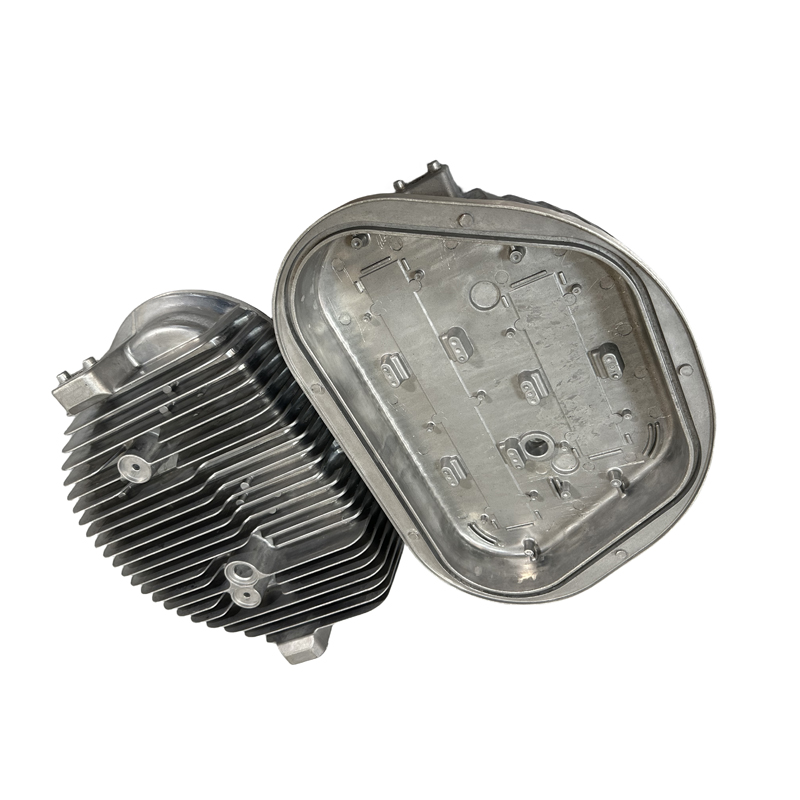
The process of nickel plating relies on electrochemistry, with several key components working together to achieve the desired coating.
2.1 Key Components of the Process
- Substrate: The metal object to be plated, which acts as the cathode (negative electrode) in the electrochemical cell. Common substrates include steel, copper, brass, and zinc.
- Nickel Anode: A piece of pure nickel that serves as the positive electrode, supplying nickel ions to the plating solution.
- Plating Solution: An electrolyte bath containing dissolved nickel salts (such as nickel sulfate or nickel chloride) and other additives. These additives help control the plating rate, improve coating quality, and adjust the finish (e.g., bright or matte).
- Power Supply: Provides a direct electric current (DC) that flows from the anode to the cathode, facilitating the movement of nickel ions.
2.2 The Electrochemical Reaction
When the power supply is turned on, the following steps occur:
- The nickel anode dissolves into the plating solution, releasing nickel ions (Ni²⁺).
- The electric current attracts these positively charged nickel ions to the negatively charged substrate (cathode).
- At the substrate’s surface, the nickel ions gain electrons, reducing to metallic nickel (Ni), which deposits onto the substrate.
- This process continues until the desired thickness of the nickel layer is achieved, typically ranging from a few microns to several thousandths of an inch.

Nickel plating isn’t a one-size-fits-all process. Different techniques and formulations produce coatings with distinct properties, suited to specific applications.
3.1 Electroplated Nickel (Traditional Nickel Plating)
This is the most common type of nickel plating, relying on an electric current to deposit the nickel layer. Within this category, there are several variations:
- Bright Nickel Plating: Uses additives in the plating solution to produce a smooth, mirror-like finish. It’s often used for decorative purposes, such as on faucets, jewelry, and automotive trim.
- Semi-Bright Nickel Plating: Has a more satin or matte appearance compared to bright nickel. It offers good corrosion resistance and is frequently used as an undercoat for bright nickel to enhance overall durability.
- High-Sulfur Nickel Plating: Contains small amounts of sulfur, which improves its machinability and solderability. It’s commonly used in electronic components.
3.2 Electroless Nickel Plating (A Specialized Variant)
While electroless nickel plating is a distinct process (as explored in a previous blog), it’s worth noting here as a type of nickel plating. Unlike traditional electroplating, it doesn’t require an electric current. Instead, a chemical reaction between a nickel salt and a reducing agent deposits the nickel layer. This results in a uniform coating, even on complex shapes, making it ideal for parts with intricate designs.

The popularity of nickel plating stems from the unique properties it imparts to the plated substrate.
4.1 Enhanced Corrosion Resistance
Nickel is naturally resistant to rust and oxidation, and when plated onto a substrate, it acts as a barrier, protecting the underlying metal from moisture, chemicals, and other corrosive elements. This is especially valuable for parts exposed to harsh environments, such as marine equipment or industrial machinery.
4.2 Improved Wear and Abrasion Resistance
The hard, dense nature of nickel plating makes it highly resistant to wear and abrasion. This extends the lifespan of components that experience friction, such as gears, bearings, and tools. In some cases, nickel plating can be heat-treated to further increase its hardness.
4.3 Aesthetic Appeal
Nickel plating can produce a range of finishes, from bright and reflective to matte and subtle. This makes it a favorite for decorative items, including jewelry, silverware, and architectural hardware. The ability to achieve a consistent, attractive finish adds value to both functional and ornamental pieces.
4.4 Adhesion and Compatibility
Nickel plating adheres well to many base metals, creating a strong bond that prevents peeling or flaking. It also works well with other coatings; for example, it’s often used as a base layer under chrome plating to improve adhesion and corrosion resistance.

The versatility of nickel plating means it’s used in a wide array of industries and products.
5.1 Industrial and Manufacturing
- Automotive Industry: Plated on car parts such as bumpers, wheel rims, and engine components to resist corrosion and enhance durability.
- Aerospace Industry: Applied to aircraft parts like fasteners, hydraulic components, and turbine blades to withstand extreme conditions.
- Heavy Machinery: Used on gears, shafts, and valves to reduce wear and extend the life of equipment.
5.2 Decorative and Consumer Goods
- Jewelry and Accessories: Plated on items like necklaces, bracelets, and watches to give them a shiny, silver-like appearance and prevent tarnishing.
- Household Items: Found on faucets, doorknobs, and kitchen appliances for their attractive finish and resistance to daily use.
- Electronics: Used on connectors, circuit boards, and smartphone components to improve conductivity and protect against corrosion.
5.3 Medical and Food Industries
- Medical Devices: Plated on surgical tools, implants, and medical equipment for its biocompatibility, corrosion resistance, and ease of sterilization.
- Food Processing Equipment: Applied to stainless steel surfaces of mixers, conveyors, and storage tanks to resist corrosion from food acids and cleaning chemicals.
6. Why Nickel Plating Matters
Nickel plating plays a crucial role in both functional and aesthetic applications. By enhancing the properties of metal substrates, it improves the performance, longevity, and appearance of countless products. Whether it’s protecting a ship’s propeller from saltwater corrosion or making a necklace shine brighter, nickel plating is a versatile and valuable process.
In essence, nickel plating is more than just a coating—it’s a solution that combines practicality and beauty, making it an essential part of modern manufacturing and design.
How to Remove Gold Plating from Silver: A Comprehensive Guide
What Is Electroless Nickel Plating? A Complete Overview
Related Article

Fast sampling is the fastest way to win business in the hardware machining and plastic mold industries. Customers want a working sample in days, and a 3D printer delivers it, but only when you know how to print in 3d correctly.
how to print in 3d

Fast sampling is the fastest way to win business in the hardware machining and plastic mold industries. Customers often send an STL file and expect a working sample in days.
how to print an stl file

