
What is Metal Fabrication and Welding
Author: SZTC
2025-05-10
Introduction
Metal fabrication and welding are two interconnected processes that play a crucial role in modern manufacturing and construction industries. From the skyscrapers that dominate city skylines to the intricate components of vehicles and machinery, these processes are integral to creating the structures and products we rely on daily. Understanding what metal fabrication and welding entail is essential for anyone interested in the world of engineering, construction, or manufacturing.
Definition and Basics
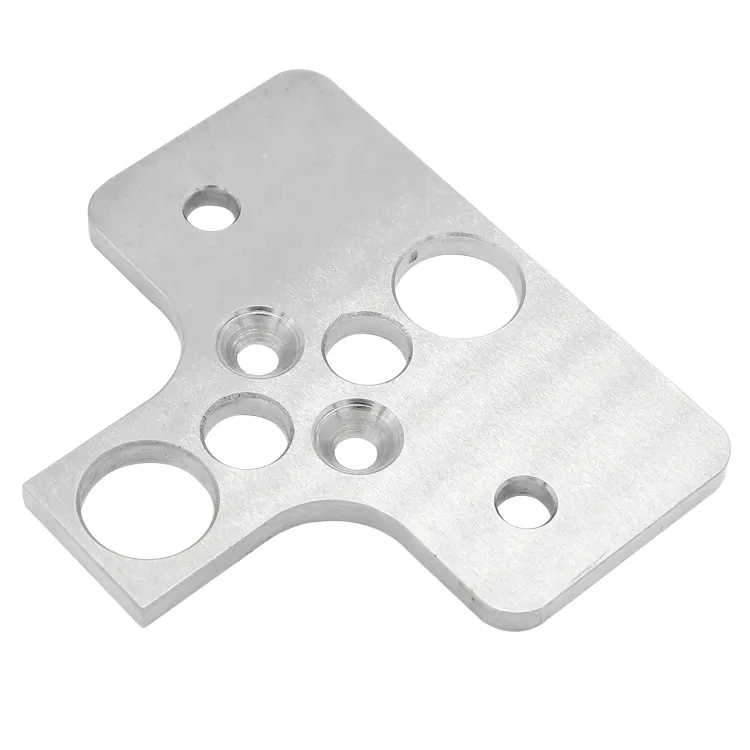
Metal fabrication refers to the process of creating metal structures and parts by cutting, bending, and assembling raw metal materials. It involves transforming flat sheets, bars, rods, or tubes of metal into custom - designed components. This process can work with a variety of metals, including steel, aluminum, stainless steel, copper, and brass, each with its own unique properties and applications.
Fabrication Processes
- Cutting: This is the first step in many metal fabrication projects. There are several cutting methods available, such as shearing, which uses a machine with sharp blades to cut through metal sheets; laser cutting, which uses a high - intensity laser beam to melt and vaporize the metal; and plasma cutting, which uses a high - velocity jet of ionized gas to cut through conductive metals.
- Bending: Once the metal is cut to the desired size, it often needs to be bent into a specific shape. Press brakes are commonly used for this purpose. They apply pressure to the metal, causing it to bend at a specific angle. Roll bending is another method, where the metal is passed through a set of rolls that gradually shape it into a curved form.
- Assembling: After cutting and bending, the individual metal parts are assembled together. This can be done through various techniques, including welding, fastening with bolts and nuts, or using adhesives.
What is Welding?
Definition and Purpose
Welding is a process that joins two or more metal pieces together by melting the metal at the joint and allowing it to cool and solidify, creating a strong bond. The goal of welding is to produce a joint that is as strong as, or stronger than, the original metal pieces. It is widely used in metal fabrication, but also has applications in repair work, construction, and manufacturing of many products.
Welding Techniques
- Shielded Metal Arc Welding (SMAW): Also known as stick welding, this is one of the most common and versatile welding methods. It uses a consumable electrode covered in a flux coating. When an electric current is passed through the electrode, it creates an arc that melts the electrode and the base metal, while the flux coating protects the weld from contamination.
- Gas Metal Arc Welding (GMAW): Also called MIG (Metal Inert Gas) welding, GMAW uses a continuous wire electrode and an inert gas shield, such as argon or a mixture of argon and carbon dioxide. The gas protects the weld pool from oxidation and other contaminants, resulting in a clean and smooth weld.
- Tungsten Inert Gas Welding (TIG): TIG welding uses a non - consumable tungsten electrode and an inert gas shield, similar to MIG welding. However, TIG welding typically provides more precise control over the weld, making it suitable for welding thin materials and for high - quality, aesthetically pleasing welds.

The Relationship between Metal Fabrication and Welding
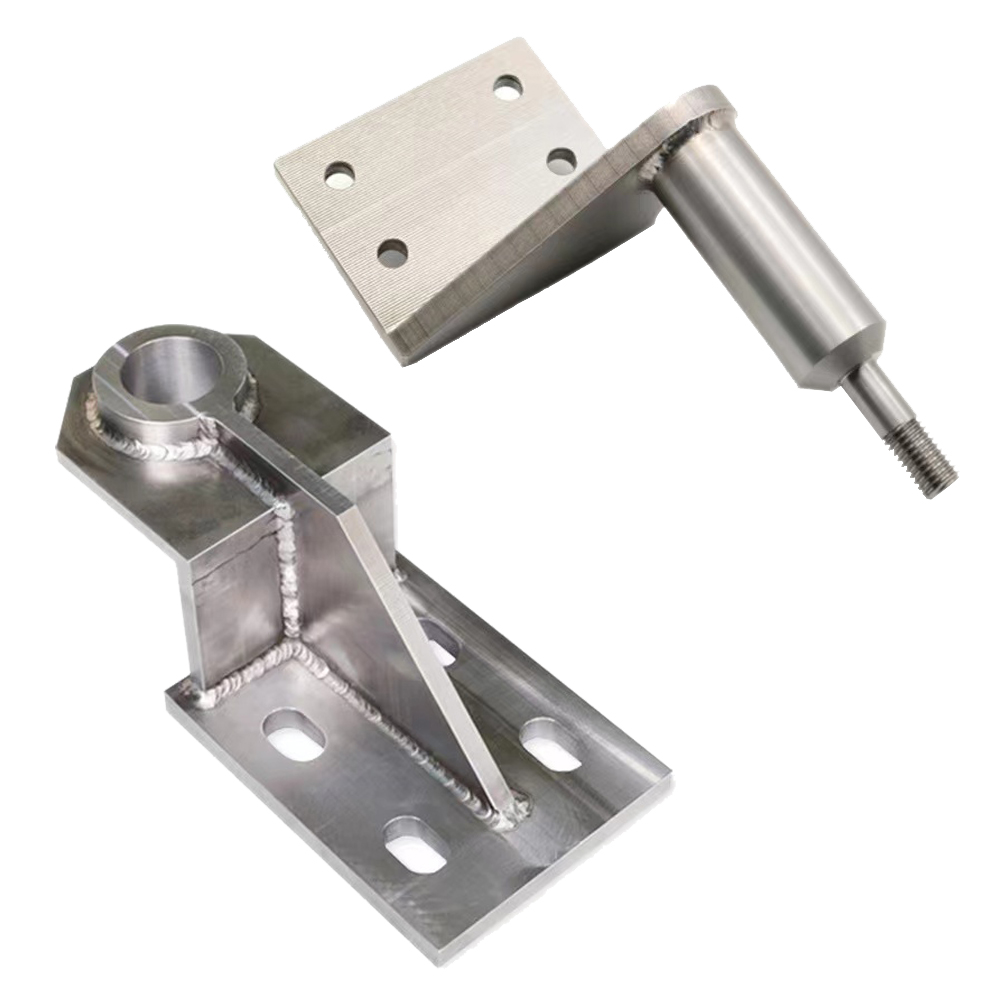
Welding is an essential part of metal fabrication. In most metal fabrication projects, after the individual metal parts are cut and bent into the desired shapes, welding is used to assemble them into a complete structure or product. Without welding, it would be difficult to create large, complex metal structures that require the joining of multiple parts. At the same time, metal fabrication provides the pre - processed metal parts that are ready to be welded. The two processes work hand in hand to bring metal designs to life.
What is Sheet Metal Fabrication?
What is a Metal Fabricator? Unveiling the Craft Behind Metal Mastery
Related Article

Fast sampling is the fastest way to win business in the hardware machining and plastic mold industries. Customers want a working sample in days, and a 3D printer delivers it, but only when you know how to print in 3d correctly.
how to print in 3d

Fast sampling is the fastest way to win business in the hardware machining and plastic mold industries. Customers often send an STL file and expect a working sample in days.
how to print an stl file

