
What is Laser Engraving? Unveiling the Precision Art of Light
Author: SZTC
2025-05-22
In today’s rapidly evolving technological landscape, laser engraving has emerged as a revolutionary technique that combines artistry and precision. But what exactly is laser engraving? This blog post will delve into the intricacies of this fascinating technology, exploring its definition, working principles, applications, advantages, and limitations.

Laser engraving is a process that uses a high-powered laser beam to remove material from a surface, creating a permanent mark, design, or pattern. Unlike traditional engraving methods, which rely on physical tools such as chisels or drills, laser engraving uses light energy to precisely etch into various materials. The laser beam is controlled by a computer, allowing for highly detailed and intricate designs to be created with ease.

How Does Laser Engraving Work?
The process of laser engraving begins with a digital design, which can be created using graphic design software such as Adobe Illustrator or CorelDRAW. Once the design is complete, it is sent to the laser engraving machine, which reads the design and converts it into a series of commands that control the movement of the laser beam.
The laser engraving machine consists of several components, including a laser source, a beam delivery system, a control system, and a worktable. The laser source generates the high-powered laser beam, which is then directed through the beam delivery system to the worktable. The control system uses a computer to precisely control the movement of the laser beam, ensuring that the design is engraved accurately and with high precision.
When the laser beam hits the surface of the material, it heats up the material, causing it to vaporize or melt. The intensity and duration of the laser beam can be adjusted to control the depth and width of the engraving. By moving the laser beam in a specific pattern, the design is gradually etched into the material, creating a permanent mark.
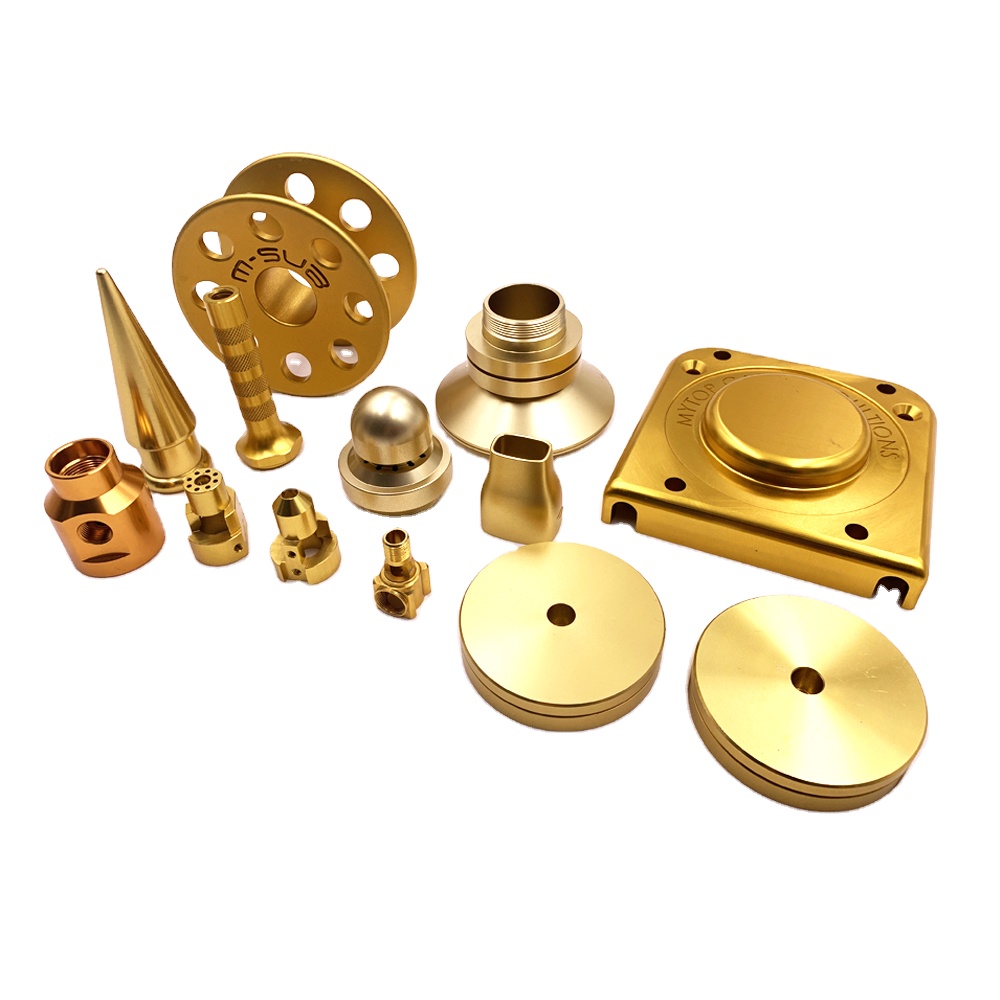
Laser engraving has a wide range of applications across various industries. In the manufacturing industry, it is used to engrave serial numbers, logos, and product information on parts and components. This helps with product identification, traceability, and branding.
In the arts and crafts industry, laser engraving is a popular technique for creating personalized gifts, custom jewelry, and unique home decor items. Artists and designers can use laser engraving to bring their creative visions to life, adding intricate details and textures to their .
The signage industry also benefits from laser engraving, as it allows for the creation of high-quality, durable signs and labels. Laser-engraved signs can be made from a variety of materials, including wood, acrylic, metal, and plastic, and can be customized to suit any design or application.
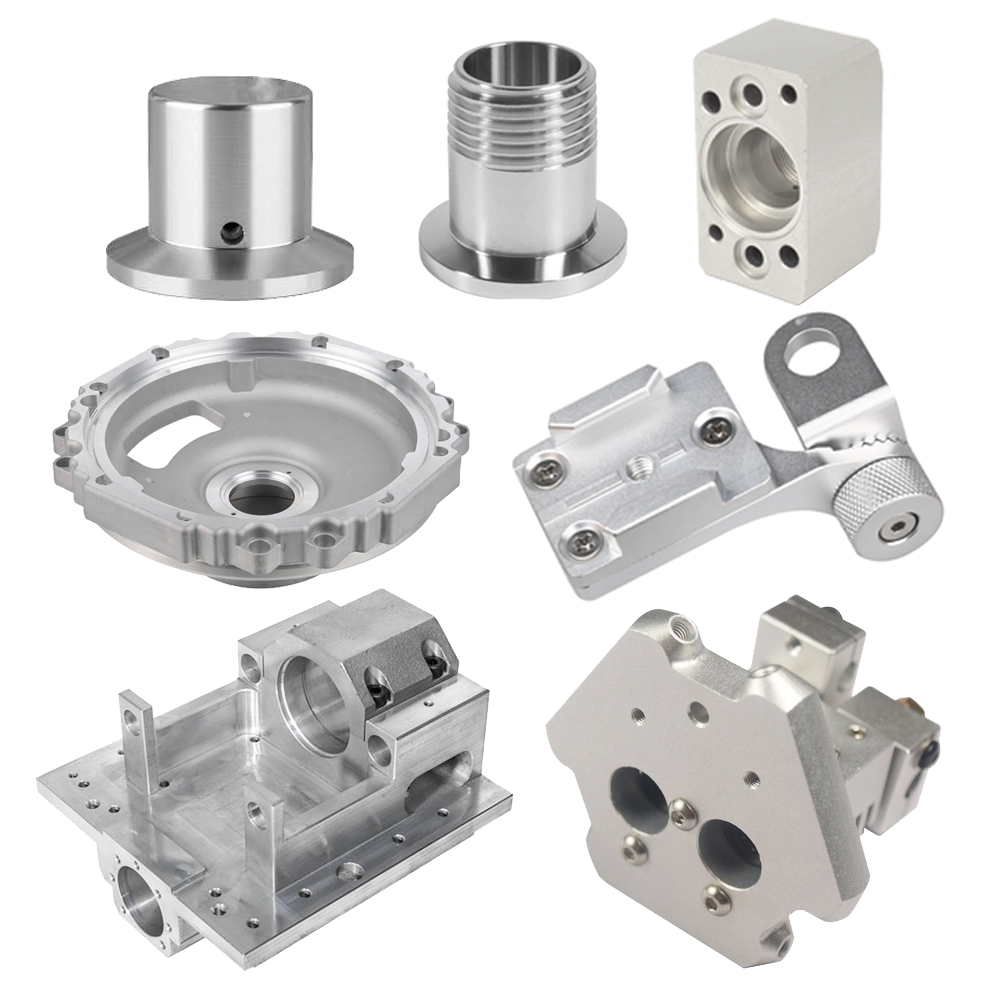
One of the main advantages of laser engraving is its precision and accuracy. The computer-controlled laser beam can create highly detailed designs with tolerances as small as a fraction of a millimeter. This makes it ideal for applications that require high levels of precision, such as microelectronics and medical device manufacturing.
Another advantage of laser engraving is its versatility. It can be used on a wide range of materials, including wood, acrylic, metal, plastic, glass, leather, and fabric. This makes it a popular choice for businesses and individuals who need to engrave different types of materials.
Laser engraving is also a non-contact process, which means that there is no physical wear and tear on the material being engraved. This helps to preserve the integrity of the material and reduces the risk of damage or deformation. Additionally, laser engraving is a fast and efficient process, allowing for large quantities of products to be engraved in a short period of time.

While laser engraving offers many advantages, it also has some limitations. One of the main limitations is the cost of the equipment and the materials. Laser engraving machines can be expensive to purchase and maintain, and the cost of the materials used for engraving can also be relatively high.
Another limitation of laser engraving is the depth of the engraving. The depth of the engraving is limited by the power of the laser and the type of material being engraved. In some cases, it may not be possible to achieve the desired depth of engraving, especially on thicker materials.
Finally, laser engraving can produce fumes and debris, which can be harmful to the environment and human health. Proper ventilation and safety equipment are required to ensure that the fumes and debris are removed from the work area.
In conclusion, laser engraving is a fascinating and versatile technology that offers many advantages over traditional engraving methods. Its precision, accuracy, versatility, and non-contact nature make it a popular choice for a wide range of applications across various industries. However, it also has some limitations, such as the cost of the equipment and materials, the depth of the engraving, and the potential for fumes and debris. By understanding the principles, applications, advantages, and limitations of laser engraving, you can make an informed decision about whether it is the right technology for your needs.
Can You Laser Engrave Plastic? A Comprehensive Guide
How to Use Laser Engraver?
Related Article

Fast sampling is the fastest way to win business in the hardware machining and plastic mold industries. Customers want a working sample in days, and a 3D printer delivers it, but only when you know how to print in 3d correctly.
how to print in 3d

Fast sampling is the fastest way to win business in the hardware machining and plastic mold industries. Customers often send an STL file and expect a working sample in days.
how to print an stl file

