
What is Gold Plated? A Comprehensive Guide
Author: SZTC
2025-07-16
Gold has long been cherished for its beauty, rarity, and enduring value. However, pure gold items can be prohibitively expensive, leading to the development of various gold - plating techniques. If you’ve ever wondered, “What is gold plated?” you’re not alone. In this blog, we’ll break down the concept of gold plating, explore its types, processes, and applications, and help you understand what makes it a popular choice in various industries.

At its core, gold plating is a process where a thin layer of gold is applied to the surface of another metal, known as the base metal. The goal is to give the base metal the appearance, luster, and some of the properties of gold without the high cost of using solid gold.
The base metal can vary widely. Common choices include copper, silver, brass, nickel, or even stainless steel. These metals are selected for their affordability, durability, or ability to adhere well to gold. The thickness of the gold layer is a crucial factor in determining the quality and longevity of the gold - plated item. It is typically measured in microns (a micron is one - millionth of a meter). In general, thicker gold layers tend to be more durable and resistant to wear and tear.
It’s important to note that gold - plated items are not solid gold. The value of a gold - plated item comes primarily from the base metal and the craftsmanship, with the gold layer contributing mainly to its aesthetic appeal.
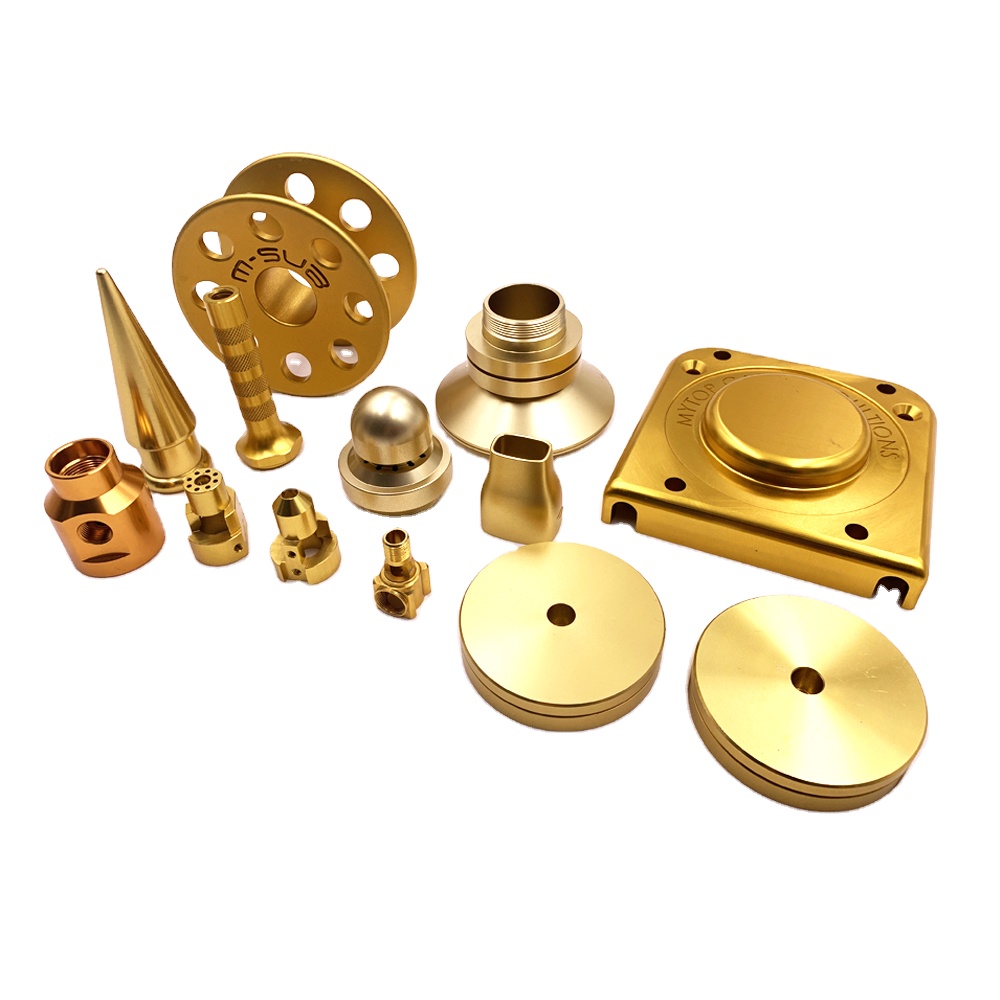
There are several different types of gold plating, each with its own unique characteristics and applications. Here are some of the most common ones:
2.1 Electroplating: The Most Common Method
Electroplating is the most widely used technique for gold plating. It involves using an electric current to deposit a layer of gold onto the base metal. Here’s a step-by-step overview of the electroplating process:
- Preparation of the base metal: The base metal is first cleaned thoroughly to remove any dirt, oil, or oxides. This ensures good adhesion between the base metal and the gold layer. Cleaning methods may include degreasing, 酸洗 (acid pickling), and polishing.
- Setting up the electrolytic cell: The cleaned base metal is placed in an electrolytic solution that contains dissolved gold ions. The base metal acts as the cathode (the negatively charged electrode), and a piece of solid gold acts as the anode (the positively charged electrode).
- Applying the electric current: When an electric current is passed through the solution, the gold ions are attracted to the cathode (the base metal). They then deposit onto the surface of the base metal, forming a thin layer of gold.
- Finishing touches: After plating, the item may be rinsed, dried, and polished to enhance its shine and smoothness.
2.2 Gold Filling: A Thicker Alternative
Gold filling, also known as rolled gold, is a process where a layer of gold is bonded to the base metal through heat and pressure. Unlike electroplating, the gold layer in gold - filled items is much thicker, usually ranging from 5% to 10% of the total weight of the item.
This makes gold - filled items more durable than standard gold - plated ones. They are also more resistant to tarnishing and wear. Gold filling is commonly used in jewelry making, especially for items that are worn frequently, such as rings and bracelets.
2.3 Vacuum Plating: For Special Applications
Vacuum plating, or physical vapor deposition (PVD), is a process that takes place in a vacuum chamber. The gold is vaporized by heating it to a high temperature, and the vapor then condenses onto the surface of the base metal, forming a thin layer.
This method is often used for plating items with complex shapes or for applications where a very thin and uniform gold layer is required, such as in electronics or aerospace components.
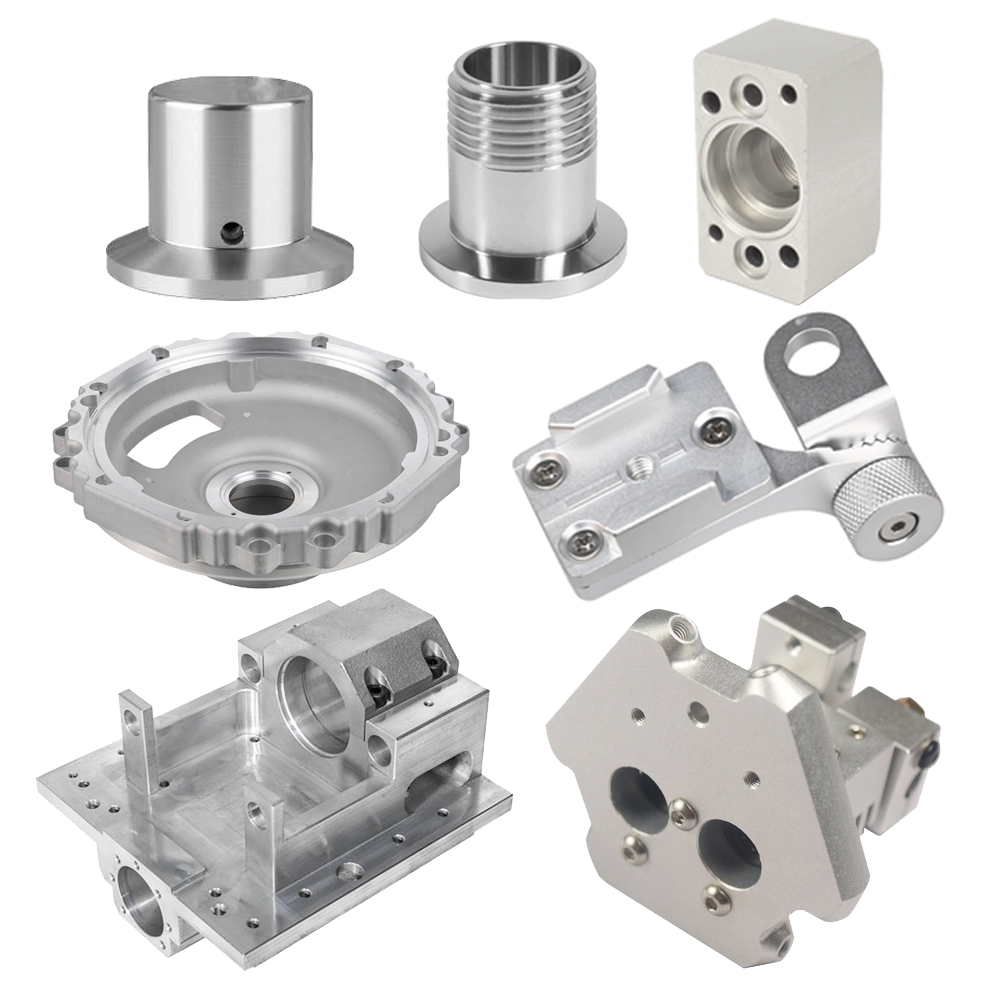
3.1 Common Applications
Gold plating has a wide range of applications across various industries:
- Jewelry: Gold - plated jewelry is extremely popular. It allows for beautiful, gold - looking pieces at a fraction of the cost of solid gold jewelry. From necklaces and earrings to watches and bracelets, gold plating is used to create a wide variety of jewelry designs.
- Electronics: Gold is an excellent conductor of electricity, and it is highly resistant to corrosion. This makes gold plating ideal for use in electronics, such as connectors, switches, and circuit boards. The thin gold layer ensures good electrical conductivity and protects the components from damage.
- Decorative items: Gold plating is used to enhance the appearance of various decorative items, including picture frames, candlesticks, and furniture hardware.
- Medical devices: Some medical devices, such as pacemakers and surgical instruments, use gold plating because of its biocompatibility (it doesn’t react with the body) and corrosion resistance.
3.2 Advantages of Gold Plating
- Aesthetic appeal: Gold plating gives items a luxurious, golden appearance that is highly desirable.
- Cost - effectiveness: Compared to solid gold, gold - plated items are much more affordable, making gold’s beauty accessible to a wider range of people.
- Versatility: Gold plating can be applied to a variety of base metals, allowing for a wide range of design possibilities.
- Corrosion resistance: Gold is a noble metal, meaning it is highly resistant to corrosion. This helps protect the base metal from rust and other forms of deterioration.
3.3 Disadvantages of Gold Plating
- Limited durability: The thin gold layer can wear off over time, especially with frequent use or exposure to harsh conditions (such as chemicals or abrasives). This can reveal the base metal underneath, affecting the item’s appearance.
- Not as valuable as solid gold: Gold - plated items have significantly less intrinsic value than solid gold items.
- Sensitivity issues: Some people may be allergic to the base metals used in gold - plated items, especially nickel. This can cause skin irritation.
In conclusion, gold plating is a versatile and cost - effective way to give items the appearance and some of the properties of gold. By understanding what gold plated means, its different types, processes, applications, advantages, and disadvantages, you can make more informed decisions when purchasing or working with gold - plated items. Whether it’s a piece of jewelry, an electronic component, or a decorative item, gold plating adds a touch of elegance and value.
Will Gold Plated Tarnish? Exploring the Facts
Is Gold Plated Real Gold? Clearing Up the Confusion
Related Article

Fast sampling is the fastest way to win business in the hardware machining and plastic mold industries. Customers want a working sample in days, and a 3D printer delivers it, but only when you know how to print in 3d correctly.
how to print in 3d

Fast sampling is the fastest way to win business in the hardware machining and plastic mold industries. Customers often send an STL file and expect a working sample in days.
how to print an stl file

