
What is Fabricating Metal?
Author: SZTC
2025-05-12
Metal fabrication is a fundamental process that shapes the world around us, playing an indispensable role in countless industries. From towering skyscrapers to the smallest electronic components, understanding what fabricating metal entails is key to appreciating the intricacies of modern manufacturing. Let’s delve into its definition, methods, applications, and benefits.

I. Definition of Metal Fabrication: Shaping Metals to Purpose
Metal fabrication encompasses a wide range of processes that transform raw metal materials into custom-made products, structures, or parts. It involves cutting, bending, shaping, joining, and finishing metals to meet specific design requirements. Unlike sheet metal fabrication, which focuses on thin metal sheets, metal fabrication can work with various forms of metal, including bars, rods, tubes, and thick plates.
The process starts with selecting appropriate metal materials, such as steel, aluminum, copper, or brass, based on factors like strength, durability, corrosion resistance, and cost. Then, through a combination of manual skills and advanced machinery, fabricators manipulate the metal to create components that serve diverse functions in different sectors.
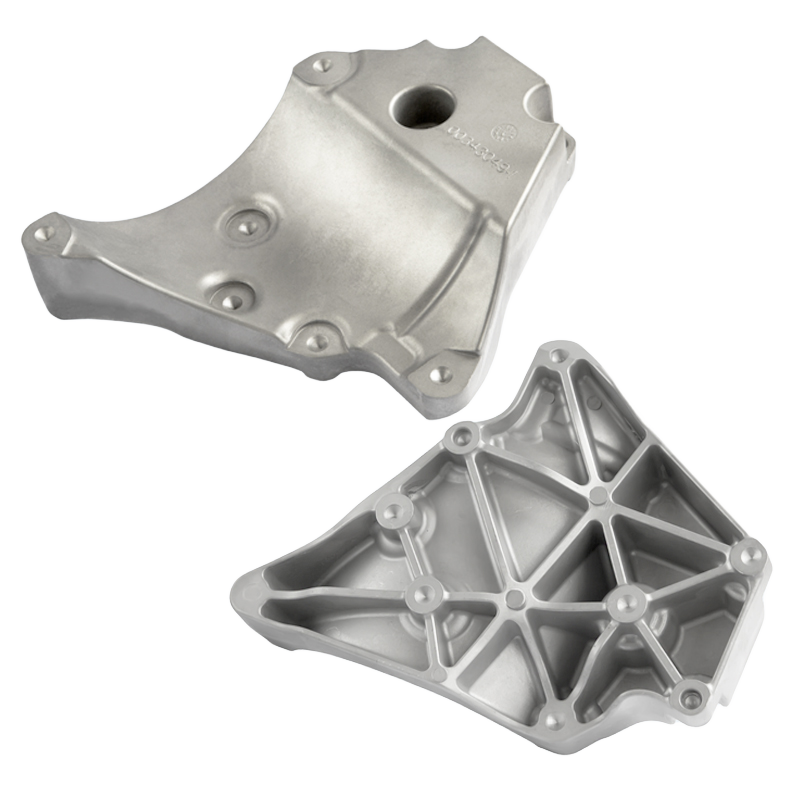
II. Methods of Metal Fabrication: Tools and Techniques
(1) Cutting
Cutting is the initial step in many metal fabrication projects, dividing metal into smaller pieces or specific shapes. Common cutting methods include sawing, where a metal-cutting saw slices through the material; plasma cutting, which uses a high-velocity jet of ionized gas to melt and blow away metal; and waterjet cutting, which propels a high-pressure stream of water mixed with abrasive particles to cut through even the toughest metals. Each method has its own advantages, offering varying levels of precision and speed.
(2) Bending and Forming
Once the metal is cut, bending and forming processes come into play to give it the desired shape. Press brakes are commonly used to bend metal sheets or bars by applying pressure. For more complex shapes, techniques like rolling, where metal passes through rollers to create curves, or forging, which involves shaping metal through compressive forces, are employed. These processes require careful calculation of angles and dimensions to ensure the final product meets specifications.
(3) Joining
Joining different metal pieces together is another crucial aspect of metal fabrication. Welding is one of the most popular joining methods, which fuses metals through heat and sometimes the addition of filler materials. Other techniques include soldering, where a lower-melting-point alloy bonds metals, and riveting, which uses mechanical fasteners to hold parts together. The choice of joining method depends on factors such as the type of metal, the strength required, and the application of the final product.
(4) Finishing
The finishing process enhances the appearance, durability, and functionality of fabricated metal products. Surface treatments like painting, powder coating, and electroplating protect the metal from corrosion and add aesthetic appeal. Polishing and buffing can create a smooth, shiny surface, while heat treatment can improve the metal’s mechanical properties, such as hardness and strength.
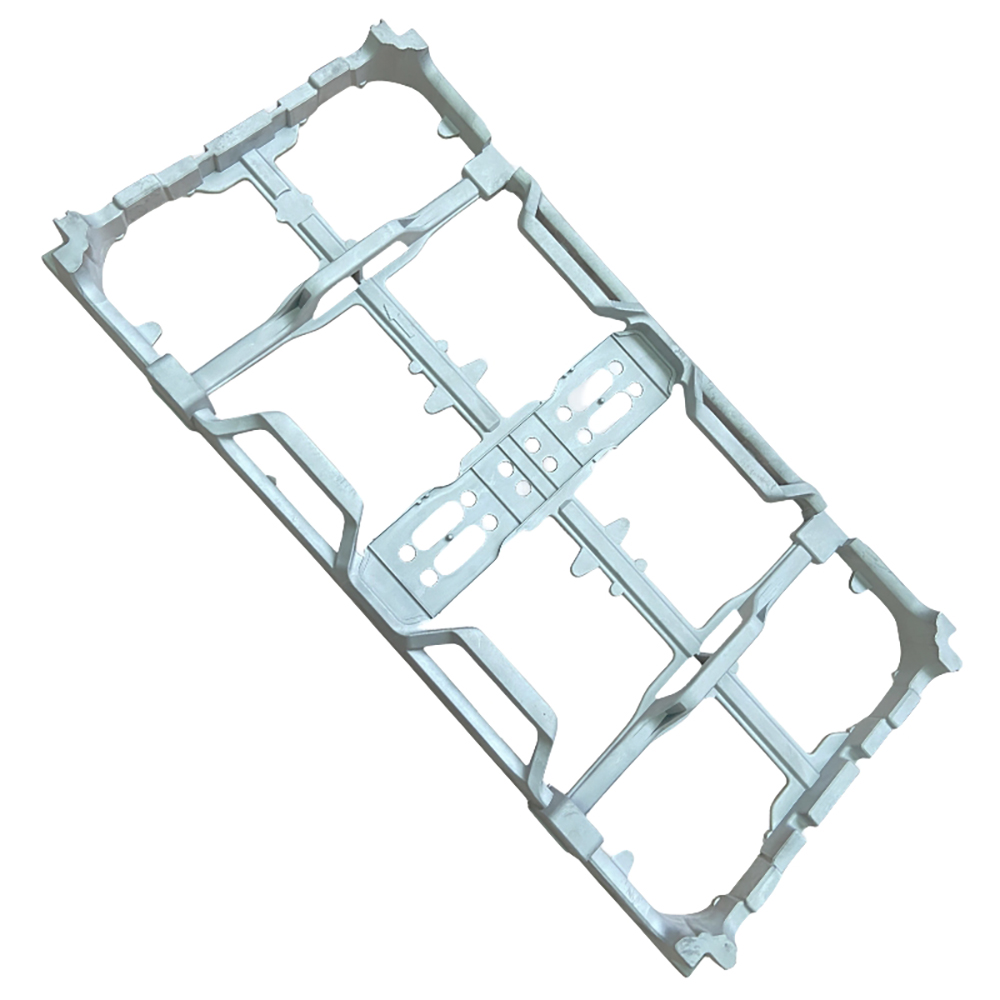
III. Applications of Metal Fabrication: Ubiquitous in Industries
(1) Construction
In the construction industry, metal fabrication is used to create structural components like beams, columns, and trusses that form the skeleton of buildings. Metal fabricated parts are also essential for making staircases, railings, and gates. The durability and strength of fabricated metal structures ensure the safety and stability of construction projects, from residential homes to large commercial buildings.
(2) Manufacturing
Metal fabrication is integral to manufacturing, producing parts for machinery, equipment, and vehicles. Engine components, chassis parts, and industrial tools are all products of metal fabrication. The ability to customize metal parts according to specific design requirements makes it possible to create high-performance machinery and equipment that meet the demands of various industries.
(3) Aerospace and Defense
The aerospace and defense sectors rely on metal fabrication for producing aircraft components, missile parts, and military vehicles. High-strength and lightweight metals are fabricated using advanced techniques to ensure the reliability and performance of aerospace and defense equipment. Precision is of utmost importance in these applications, as even the slightest deviation can have significant consequences.
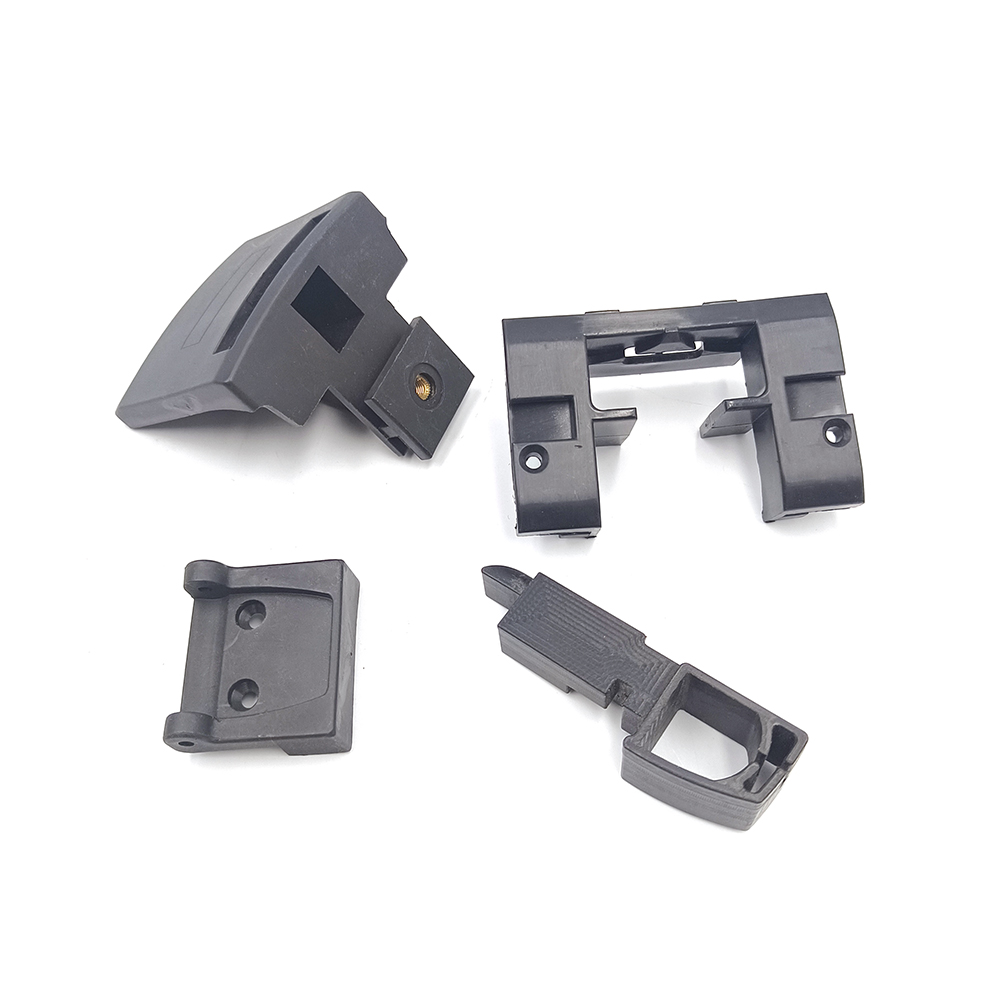
IV. Advantages of Metal Fabrication: Versatility and Efficiency
(1) Customization
One of the biggest advantages of metal fabrication is its ability to create custom-made products. Fabricators can work closely with clients to understand their needs and design metal components that are tailored to specific applications. This level of customization allows for the creation of unique solutions that off-the-shelf products cannot provide.
(2) Strength and Durability
Metal is a robust material, and fabricated metal products inherit its strength and durability. Whether it’s resisting heavy loads, withstanding harsh environmental conditions, or enduring constant use, metal fabricated parts can last for a long time, reducing the need for frequent replacements and maintenance.
(3) Cost-Effectiveness
Despite the initial investment in equipment and materials, metal fabrication can be cost-effective in the long run. The ability to optimize material usage, mass-produce parts, and create durable products that require less upkeep contribute to overall cost savings. Additionally, advancements in fabrication technology have made the process more efficient, further reducing costs.
Metal fabrication is a dynamic and versatile field that continues to evolve with technological advancements. Its wide-ranging applications and numerous benefits make it a cornerstone of modern manufacturing. If you’d like to explore any specific aspect of metal fabrication in more detail, feel free to share your thoughts!
What is Fabricated Metal? A Comprehensive Guide
What is a Sheet Metal Fabrication?
Related Article

Fast sampling is the fastest way to win business in the hardware machining and plastic mold industries. Customers want a working sample in days, and a 3D printer delivers it, but only when you know how to print in 3d correctly.
how to print in 3d

Fast sampling is the fastest way to win business in the hardware machining and plastic mold industries. Customers often send an STL file and expect a working sample in days.
how to print an stl file

