
What Is Electroless Nickel Plating? A Complete Overview
Author: SZTC
2025-07-09
In the world of metal finishing, electroless nickel plating stands out as a unique and versatile process. Unlike traditional electroplating, it doesn’t rely on an electric current to deposit a nickel layer onto a substrate. This makes it a go-to choice for various industries, from aerospace to automotive, where precision and uniformity matter. But what exactly is electroless nickel plating, and how does it work? This blog breaks down the essentials, from its definition to its applications.
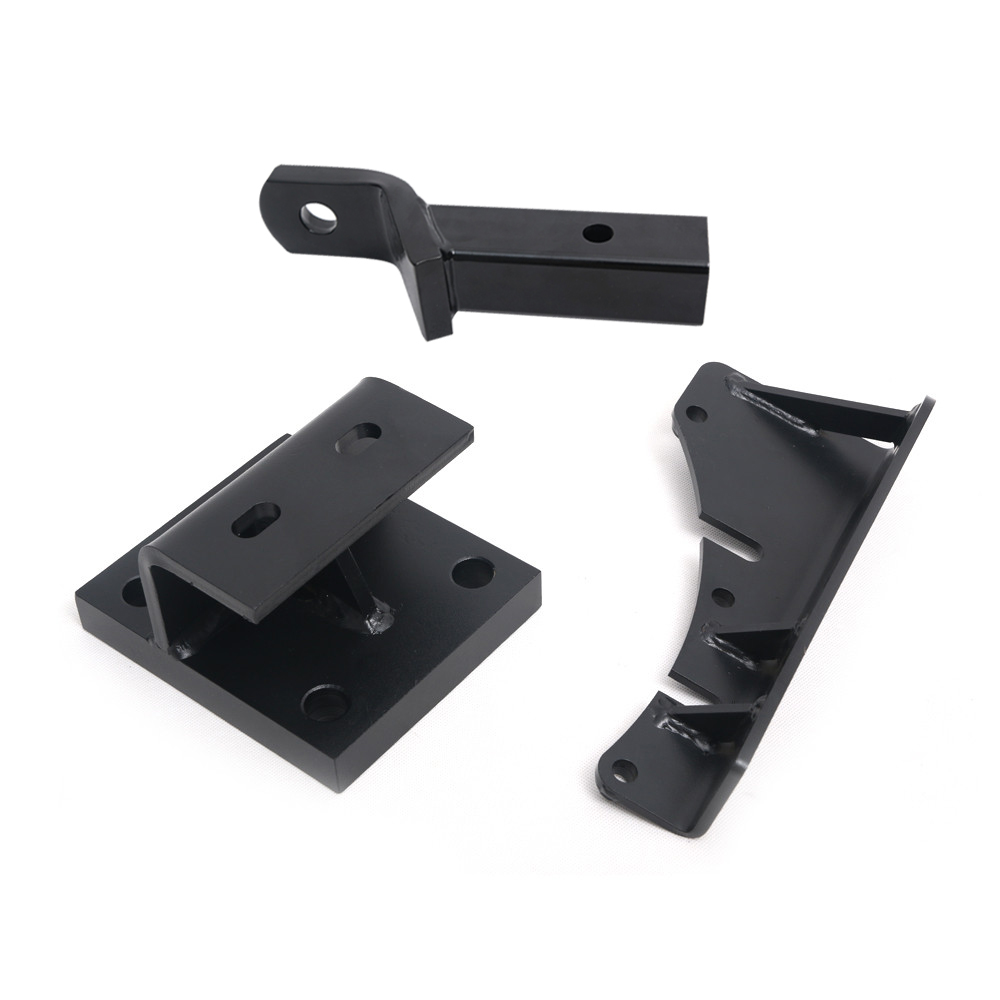
To understand electroless nickel plating, it’s important to start with its core characteristics and how it differs from other plating methods.
1.1 The Basic Definition
Electroless nickel plating (often abbreviated as EN plating) is an autocatalytic chemical process that deposits a uniform layer of nickel-phosphorus or nickel-boron alloy onto a metal surface. Unlike electroplating, which uses an electric current to drive the deposition, electroless plating relies on a chemical reaction between a nickel salt solution and a reducing agent (such as sodium hypophosphite). This reaction occurs spontaneously when the substrate is immersed in the plating bath, creating a durable, even coating.
1.2 How It Differs from Electroplating
The key distinction lies in the absence of an external electric current. In electroplating, the substrate acts as a cathode, and a nickel anode provides ions that are drawn to the cathode via electricity. This can lead to uneven plating on complex shapes, as current density varies across the surface. Electroless nickel plating, by contrast, deposits nickel uniformly, even on intricate parts with crevices, holes, or irregular geometries—making it ideal for components where consistency is critical.

The magic of electroless nickel plating lies in its autocatalytic chemical reaction. Let’s break down the process step by step.
2.1 The Plating Bath Composition
The electroless nickel bath is a carefully balanced solution containing three main components:
- Nickel Source: Typically nickel sulfate or nickel chloride, which provides the nickel ions needed for the coating.
- Reducing Agent: Usually sodium hypophosphite (for nickel-phosphorus alloys) or sodium borohydride (for nickel-boron alloys). This agent donates electrons, reducing nickel ions (Ni²⁺) to metallic nickel (Ni⁰) that adheres to the substrate.
- Complexing Agents: Organic acids (like citric acid) that prevent nickel ions from precipitating out of the solution, ensuring a stable reaction.
- pH Adjusters and Stabilizers: These control the bath’s acidity and prevent unwanted reactions, such as excessive hydrogen gas formation or uneven deposition.
2.2 The Autocatalytic Reaction
When a properly prepared substrate is immersed in the plating bath, the following occurs:
- The reducing agent reacts with the nickel ions in the solution, releasing electrons.
- Metallic nickel is deposited onto the substrate’s surface, forming a thin layer.
- The reaction generates byproducts (e.g., phosphite ions from hypophosphite) and hydrogen gas, which bubbles off.
- Importantly, the reaction is self-sustaining: once nickel starts depositing, the surface becomes catalytic, allowing the reaction to continue until the substrate is removed from the bath or the bath is exhausted.

Electroless nickel plating isn’t a one-size-fits-all process. The alloy composition—specifically the amount of phosphorus or boron—dictates its properties, making different types suitable for different applications.
3.1 Nickel-Phosphorus Alloys
These are the most common type of electroless nickel coatings, classified by their phosphorus content:
- Low-Phosphorus (1–4% Phosphorus): Offers high hardness and wear resistance, with good corrosion resistance in non-acidic environments. Often heat-treated to enhance durability.
- Medium-Phosphorus (5–9% Phosphorus): Balances wear and corrosion resistance, making it versatile for general industrial use.
- High-Phosphorus (10–13% Phosphorus): Provides excellent corrosion resistance, even in harsh environments like saltwater or acidic solutions. It’s amorphous (non-crystalline) in structure, which prevents galvanic corrosion.
3.2 Nickel-Boron Alloys
Less common than nickel-phosphorus, these alloys contain boron instead of phosphorus. They offer exceptional hardness (especially after heat treatment) and lubricity, making them ideal for high-wear applications, such as gears or bearing surfaces. However, they are more expensive and less corrosion-resistant than high-phosphorus nickel-phosphorus coatings.
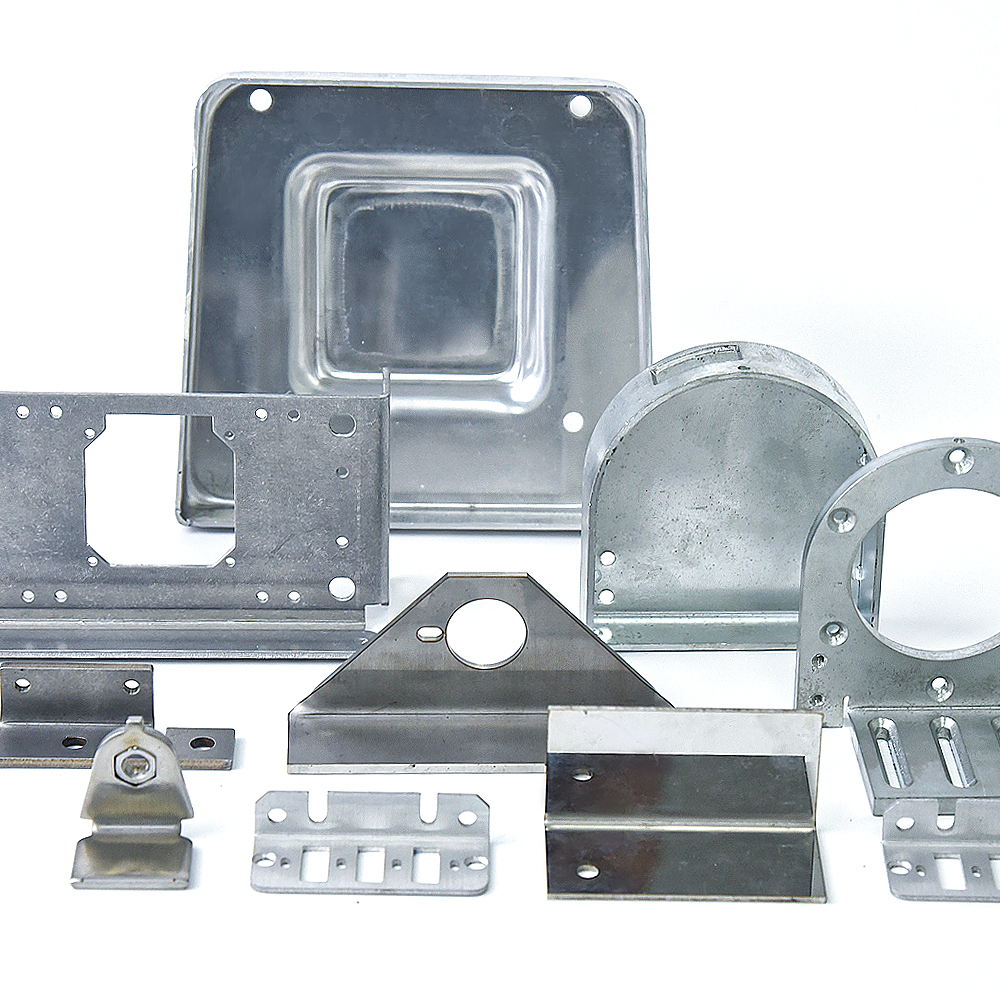
4. Key Advantages of Electroless Nickel Plating
The unique properties of electroless nickel plating make it a preferred choice over other finishing methods in many scenarios.
4.1 Uniform Coating Thickness
Unlike electroplating, which can produce thicker layers on edges and thinner layers in recesses, electroless nickel plating deposits a consistent thickness across the entire substrate. This is critical for parts with tight tolerances, such as aerospace components or medical devices.
4.2 Superior Corrosion and Wear Resistance
The dense, non-porous structure of electroless nickel coatings—especially high-phosphorus varieties—resists rust, oxidation, and chemical attack. Additionally, heat-treated coatings can achieve hardness levels comparable to chrome, making them highly resistant to abrasion and wear.
4.3 Adhesion and Versatility
Electroless nickel bonds strongly to a wide range of substrates, including steel, aluminum, copper, and even non-metals like ceramics (with proper pre-treatment). It can also be applied to parts of any size or shape, from small fasteners to large industrial machinery components.
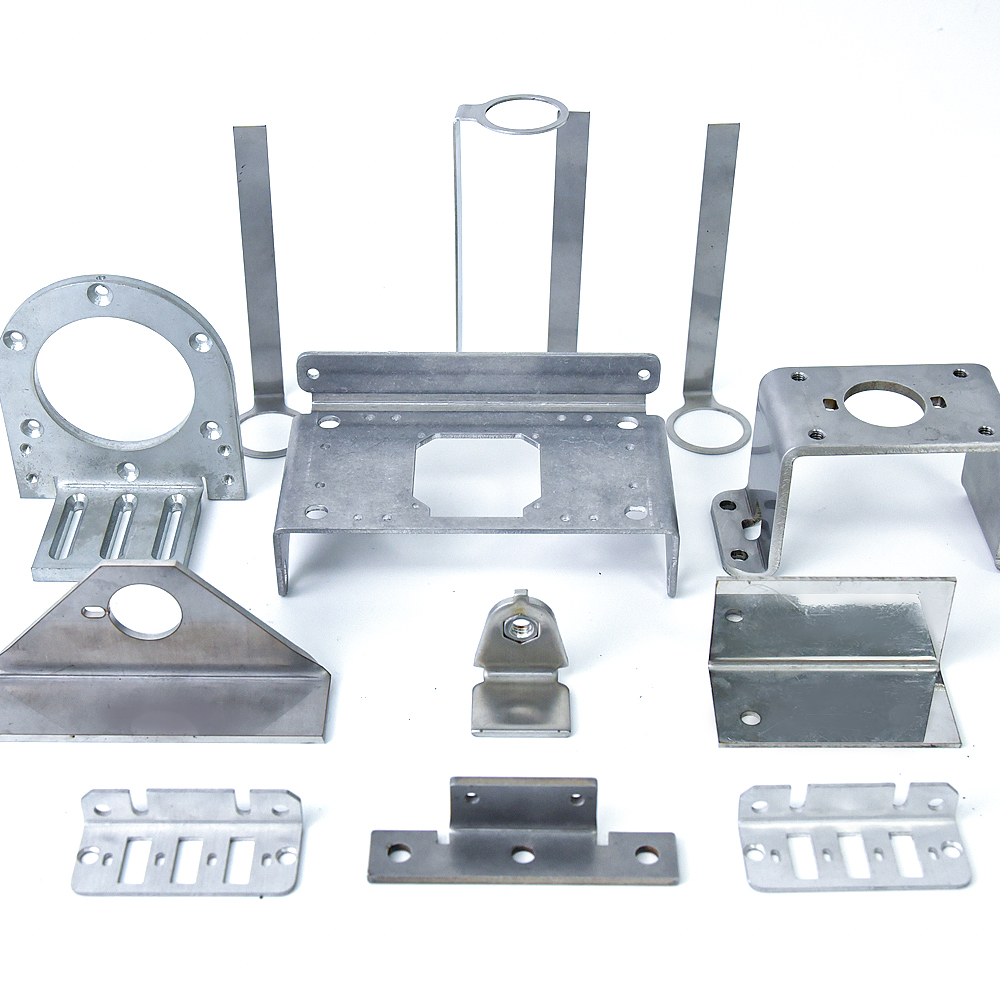
5. Applications of Electroless Nickel Plating
Thanks to its unique properties, electroless nickel plating is used across diverse industries:
5.1 Industrial and Manufacturing
- Automotive: Coating engine parts, gears, and fuel injectors to resist wear and corrosion.
- Aerospace: Protecting hydraulic components, fasteners, and turbine parts from extreme temperatures and harsh environments.
- Oil and Gas: Coating valves, pumps, and drill bits to resist corrosion from hydrocarbons and saltwater.
5.2 Medical and Food Processing
- Medical Devices: Coating surgical tools and implants (e.g., orthopedic screws) for biocompatibility, corrosion resistance, and ease of sterilization.
- Food Equipment: Applying high-phosphorus coatings to stainless steel surfaces (mixers, conveyors) to resist corrosion from cleaning chemicals and food acids.
5.3 Electronics and Consumer Goods
- Electronics: Coating connectors and heat sinks for conductivity, solderability, and corrosion protection.
- Consumer Products: Enhancing the durability of tools, hardware, and decorative items that face regular use.
6. Why Choose Electroless Nickel Plating?
Electroless nickel plating fills a unique niche in metal finishing. Its ability to deliver uniform, durable, and corrosion-resistant coatings without relying on electricity makes it indispensable for parts where precision and performance are non-negotiable. Whether you need to protect a critical industrial component or enhance the longevity of a consumer product, electroless nickel plating offers a reliable, cost-effective solution.
In summary, electroless nickel plating is more than just a coating—it’s a sophisticated chemical process that combines versatility, durability, and precision, making it a cornerstone of modern manufacturing and engineering.
What Is Nickel Plating? An In-Depth Exploration
Step-by-Step: How to Strip Nickel Plating Effectively
Related Article

Fast sampling is the fastest way to win business in the hardware machining and plastic mold industries. Customers want a working sample in days, and a 3D printer delivers it, but only when you know how to print in 3d correctly.
how to print in 3d

Fast sampling is the fastest way to win business in the hardware machining and plastic mold industries. Customers often send an STL file and expect a working sample in days.
how to print an stl file

