
what is contract manufacturing: A Comprehensive Overview
Author: SZTC
2025-04-22
In today's globalized economy, businesses are constantly seeking efficient ways to streamline operations and reduce costs. One strategy that has gained significant traction is contract manufacturing. But what exactly is contract manufacturing, and why has it become a cornerstone of modern supply chains? This blog aims to demystify this practice, exploring its definition, key components, and real-world applications.
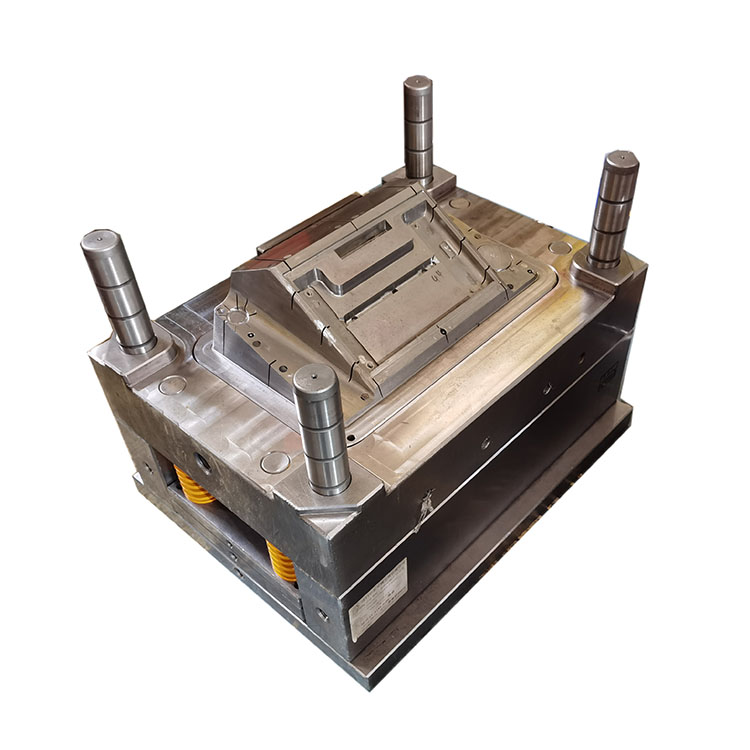
1. What is Contract Manufacturing?
Contract manufacturing refers to the process where a company hires a third-party manufacturer to produce goods or components on its behalf. The hiring company (often called the "brand owner" or "client") provides specifications, designs, or materials, while the contract manufacturer handles the production, quality control, and sometimes even packaging or logistics. This model allows businesses to leverage the expertise, infrastructure, and scalability of external manufacturers without investing in their own production facilities.
Key Characteristics:
- Customization: Production is tailored to the client’s requirements, ensuring products align with their brand standards.
- Cost Efficiency: Eliminates the need for upfront investments in machinery, labor, and factory space.
- Flexibility: Scalability to meet fluctuating demand, whether increasing production during peak seasons or reducing output during lulls.
- Specialization: Clients can partner with manufacturers experienced in niche technologies or industries, such as electronics, pharmaceuticals, or automotive parts.
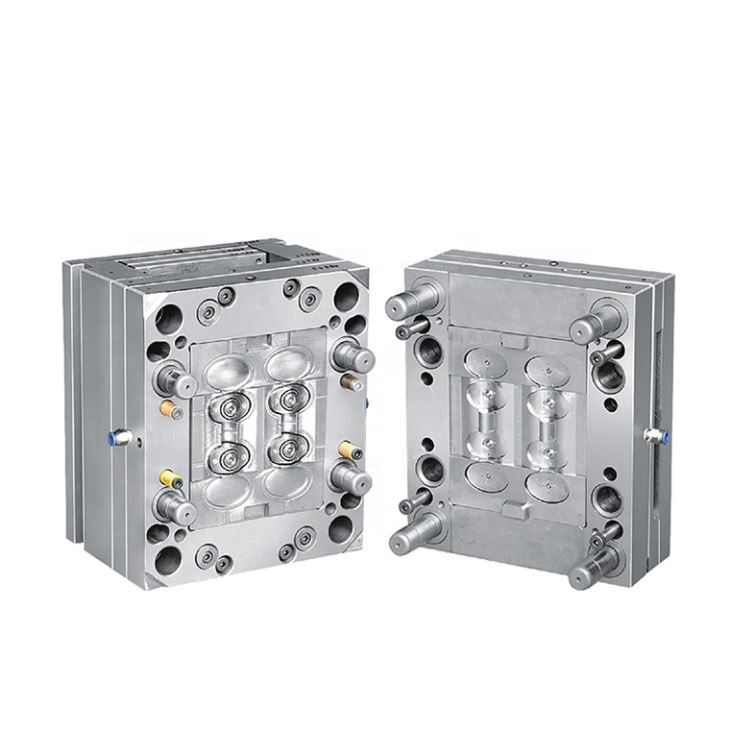
2. How Does Contract Manufacturing Work?
The contract manufacturing process typically involves several stages:
2.1. Requirement Definition
The client outlines their needs, including product design, materials, quantity, quality standards, and deadlines. This may involve sharing technical drawings, prototypes, or regulatory compliance requirements (e.g., FDA approval for medical devices).
2.2. Manufacturer Selection
The client evaluates potential manufacturers based on factors like production capabilities, past experience, cost estimates, and geographical location. Many opt for overseas manufacturers to access lower labor costs or specialized skills (e.g., electronics manufacturing in Asia).
2.3. Contract Agreement
A detailed contract is signed, specifying responsibilities, timelines, payment terms, intellectual property (IP) ownership, and confidentiality clauses. Protecting IP is crucial, as the manufacturer may gain access to proprietary designs or formulas.
2.4. Production and Quality Control
The manufacturer sets up production lines, sources materials (or uses those provided by the client), and oversees manufacturing. Quality assurance processes ensure the final products meet the client’s standards.
2.5. Delivery and Post-Production
Finished goods are delivered to the client, who may handle distribution or sales. Some contract manufacturers also offer additional services, such as labeling, packaging, or inventory management.
3. Why Do Businesses Use Contract Manufacturing?
Contract manufacturing offers numerous benefits that make it appealing across industries:
3.1. Cost Savings
By outsourcing production, companies avoid high fixed costs associated with building and maintaining factories. This is particularly valuable for startups or small businesses with limited capital.
3.2. Focus on Core Competencies
Brands can redirect resources toward product development, marketing, and customer service, leaving production to experts. For example, a tech company might hire a contract manufacturer to build hardware while focusing on software innovation.
3.3. Global Reach and Scalability
Partnering with international manufacturers allows businesses to enter new markets faster. Additionally, contract manufacturers can quickly adjust production volumes, helping companies respond to market trends without delays.
3.4. Risk Mitigation
Sharing production risks with a third party reduces the impact of supply chain disruptions, equipment failures, or labor shortages.
Real-World Examples:
- Apple: Relies on contract manufacturers like Foxconn to assemble iPhones, leveraging their scale and technical expertise.
- Pharmaceutical Companies: Often outsource drug production to specialized contract manufacturers to meet regulatory requirements.
- Fashion Brands: Use contract manufacturers in low-cost regions to produce clothing, ensuring competitive pricing.

Conclusion
Contract manufacturing has evolved into a strategic tool for businesses worldwide, enabling efficiency, innovation, and growth. By understanding its principles and benefits, companies can make informed decisions about integrating this model into their operations. Whether you’re a startup looking to launch a product or an established brand aiming to optimize costs, contract manufacturing offers a flexible and scalable solution in an ever-changing marketplace.
How to Make Custom Plastic Parts: A Comprehensive Guide from Concept to Completion
How Can I Polish Stainless Steel? A Complete Guide
Related Article

Fast sampling is the fastest way to win business in the hardware machining and plastic mold industries. Customers want a working sample in days, and a 3D printer delivers it, but only when you know how to print in 3d correctly.
how to print in 3d

Fast sampling is the fastest way to win business in the hardware machining and plastic mold industries. Customers often send an STL file and expect a working sample in days.
how to print an stl file

