
What Is Chrome Plating?
Author: SZTC
2025-04-03

Introduction
Chrome plating, also known as chromium plating, is a process that involves depositing a thin layer of chromium onto the surface of a metal object. This layer not only enhances the appearance of the object but also provides several functional benefits. In this blog post, we will explore what chrome plating is, how it works, its applications, and its environmental impact.
What is Chrome Plating?
Definition
Chrome plating is an electroplating process in which a metal object is coated with a layer of chromium. The chromium layer is typically very thin, ranging from a few micrometers to several tens of micrometers. This process is used to improve the appearance, corrosion resistance, and wear resistance of the underlying metal.
Types of Chrome Plating
There are two main types of chrome plating: decorative chrome plating and hard chrome plating. Decorative chrome plating is mainly used for aesthetic purposes, such as on automotive parts, furniture, and bathroom fixtures. It provides a bright, shiny finish that enhances the visual appeal of the object. Hard chrome plating, on the other hand, is used in industrial applications where wear resistance and durability are crucial. It is commonly applied to parts such as pistons, hydraulic cylinders, and machine tools.
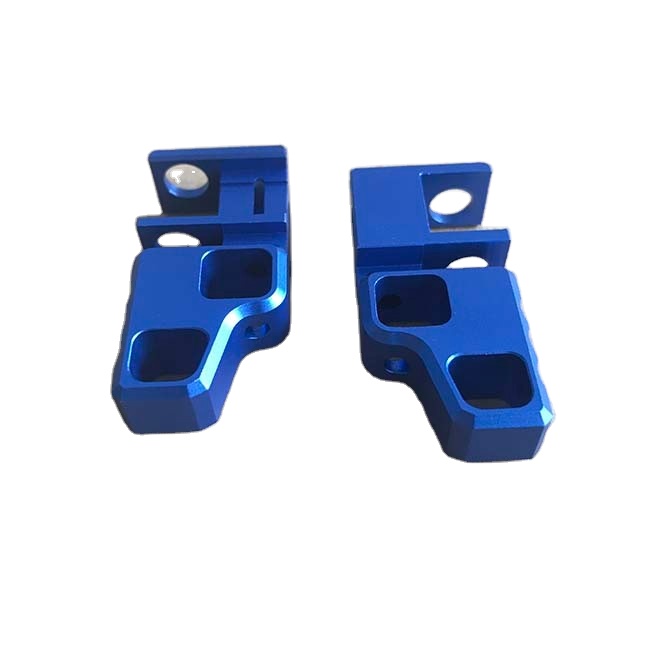
Electroplating Process
Chrome plating is an electroplating process that relies on the principles of electrolysis. In an electroplating setup, the metal object to be plated (the workpiece) is made the cathode, and a piece of chromium or a soluble chromium compound is used as the anode. The two electrodes are immersed in an electrolyte solution, which contains chromium ions. When an electric current is passed through the solution, the chromium ions are attracted to the cathode (the workpiece) and are deposited onto its surface, forming a layer of chromium.
Chemical Reactions
The chemical reactions involved in chrome plating are complex. At the anode, chromium metal is oxidized and dissolves into the electrolyte solution as chromium ions. At the cathode, the chromium ions are reduced and deposited onto the surface of the workpiece. The overall reaction can be represented as follows:
At anode: Cr → Cr3+ + 3e-
At cathode: Cr3+ + 3e- → Cr

Preparation of the Workpiece
Before chrome plating, the workpiece must be thoroughly cleaned and prepared. This involves removing any dirt, grease, rust, or other contaminants from the surface of the metal. The cleaning process may include degreasing with solvents, mechanical cleaning with abrasives, and chemical etching to create a rough surface for better adhesion of the chromium layer.
Electroplating Setup
Once the workpiece is prepared, it is placed in the electroplating bath along with the anode. The electroplating bath contains the electrolyte solution, which is carefully formulated to ensure proper deposition of chromium. The temperature, pH, and concentration of the electrolyte solution are closely controlled to achieve the desired results.
During the plating process, an electric current is applied to the electrodes. The duration and intensity of the current depend on the thickness of the chromium layer required. As the current flows, chromium ions are deposited onto the surface of the workpiece, gradually building up the chrome plating layer. After the desired thickness is achieved, the workpiece is removed from the electroplating bath and rinsed thoroughly to remove any 残留的电解液.

Applications of Chrome Plating
Automotive Industry
Chrome plating is widely used in the automotive industry. It is used to plate parts such as bumpers, grilles, wheels, and trim pieces to enhance their appearance and protect them from corrosion. The shiny chrome finish gives cars a more luxurious and attractive look.
Industrial Applications
In industrial settings, hard chrome plating is used to improve the wear resistance and durability of machine parts. Parts that are subjected to high friction, such as piston rods, valves, and bearings, are often chrome plated to reduce wear and extend their service life.
Household and Decorative Items
Chrome plating is also common in household and decorative items. Bathroom fixtures like faucets, showerheads, and towel racks are often chrome plated for their corrosion resistance and aesthetic appeal. Furniture hardware, such as knobs and handles, may also be chrome plated to add a touch of elegance.


Environmental Impact of Chrome Plating
Chemical Waste
Chrome plating generates chemical waste, including chromium-containing solutions and rinse waters. Chromium compounds, especially hexavalent chromium, are toxic and can be harmful to the environment and human health if not properly managed.
Environmental Regulations
To address the environmental concerns associated with chrome plating, strict regulations have been implemented. These regulations govern the disposal of waste, the use of chemicals, and the emissions from chrome plating facilities. Plating companies are required to adopt proper waste treatment and pollution control measures to comply with these regulations.
Chrome plating is a versatile and widely used process that offers both aesthetic and functional benefits. Whether it's enhancing the look of a car or improving the performance of an industrial machine part, chrome plating plays an important role in various industries. However, it's essential to be aware of the environmental impact of this process and take steps to minimize it through proper waste management and compliance with regulations.
What is Anodizing? A Comprehensive Guide
What is Stamped Metal? Unveiling the Wonders of Metal Stamping
Related Article

Fast sampling is the fastest way to win business in the hardware machining and plastic mold industries. Customers want a working sample in days, and a 3D printer delivers it, but only when you know how to print in 3d correctly.
how to print in 3d

Fast sampling is the fastest way to win business in the hardware machining and plastic mold industries. Customers often send an STL file and expect a working sample in days.
how to print an stl file

