
Gold Filled vs. Gold Plated: Which One Is Better for You?
Author: SZTC
2025-08-26
When shopping for jewelry or metal accessories, you’ve probably come across the terms “gold filled” and “gold plated.” Both offer the warm, luxurious look of real gold at a lower cost, but they differ drastically in quality, durability, and value. If you’re wondering what is better gold filled or gold plated, this guide will break down their key differences, pros and cons, and help you choose the right option for your needs.

Before comparing which is better, let’s first clarify what each term means. Both processes involve covering a base metal (like brass, copper, or nickel) with a layer of real gold, but the thickness, bonding method, and gold content vary significantly.
1.1 What Is Gold Plated?
Gold plated items are made by depositing a thin layer of gold onto a base metal using an electrochemical process called electroplating. The gold layer here is extremely thin—usually between 0.175 microns (μm) and 2.5 microns. To put that in perspective, a human hair is about 50-100 microns thick.
In most cases, gold plated pieces are labeled with terms like “GP” (Gold Plated), “HGP” (Heavy Gold Plated), or a karat number (e.g., “18K GP”). Even “heavy gold plated” items rarely exceed 5 microns of gold, which is still far thinner than gold filled.
1.2 What Is Gold Filled?
Gold filled, on the other hand, uses a much thicker layer of gold that’s mechanically bonded to the base metal. The process involves heating and pressing a sheet of gold onto the base metal (often brass) until they form a permanent bond. By law (in the U.S. and many countries), gold filled items must contain at least 5% of their total weight in real gold—which translates to a gold layer thickness of 20-100 microns (or more, depending on the product).
Gold filled pieces are typically marked with “GF” (Gold Filled) or a karat and weight ratio, such as “14K/20 GF” (meaning 14-karat gold makes up 1/20 of the total weight).
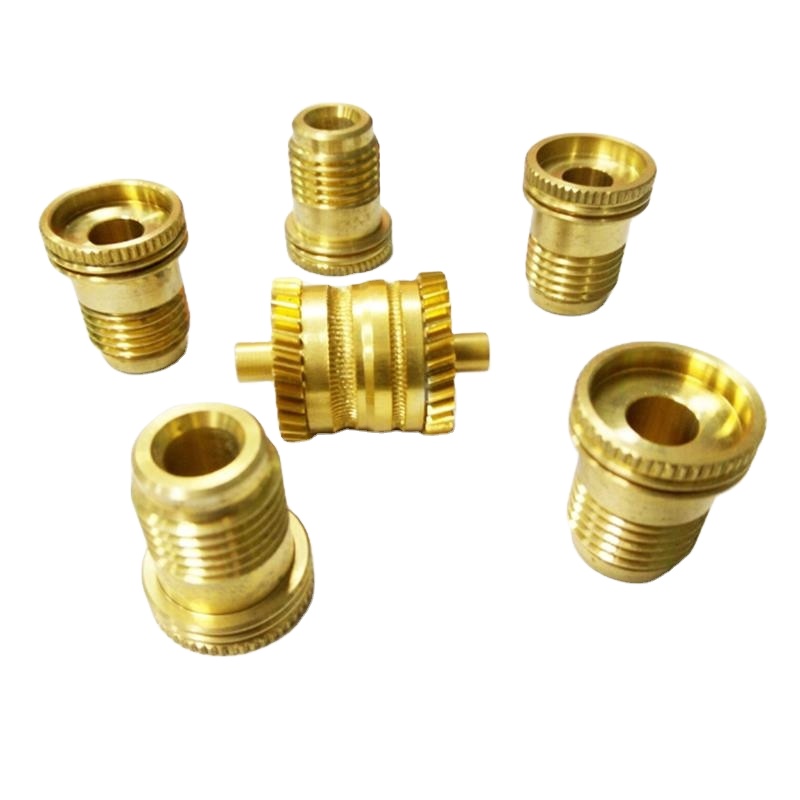
Now that you know the basics, let’s compare the two across the most important factors to answer: what is better gold filled or gold plated?
2.1 Durability: Gold Filled Wins by a Mile
Durability is where the difference is most noticeable. Gold plated items have such a thin gold layer that it easily wears off over time—especially with daily use. Exposure to moisture (like sweat or water), chemicals (perfume, lotion), or friction (from clothing or handling) will quickly reveal the base metal underneath, leading to tarnishing, discoloration, or even rust. Most gold plated jewelry lasts only 6 months to 2 years with regular wear.
Gold filled items, however, are built to last. The thick, bonded gold layer resists wear, tarnish, and fading much better. With proper care (avoiding harsh chemicals, storing in a dry place), gold filled jewelry can last 10-30 years—even with daily use. In fact, many vintage gold filled pieces from the mid-20th century still look great today!
2.2 Value for Money: Gold Filled Is a Better Long-Term Investment
Gold plated items are cheaper upfront—you can find gold plated necklaces, earrings, or bracelets for as little as \(5-\)20. But because they wear out quickly, you’ll likely need to replace them often. Over time, these frequent replacements can add up to more than the cost of a single gold filled piece.
Gold filled items cost more initially (usually \(30-\)100+, depending on the design and size), but their longevity makes them a better value. Think of it this way: spending \(50 on a gold filled necklace that lasts 15 years is far more cost-effective than buying a \)15 gold plated necklace every year. Additionally, gold filled has actual gold content, so it retains some resale value (unlike gold plated, which is nearly worthless once the gold layer wears off).
2.3 Hypoallergenic Properties: Gold Filled Is Safer for Sensitive Skin
If you have sensitive skin, this factor is crucial. Gold plated items often use base metals like nickel or copper, which are common allergens. Since the gold layer is so thin, it can crack or wear off easily, exposing the base metal to your skin. This can cause redness, itching, or a rash for people with metal allergies.
Gold filled items are much safer for sensitive skin. The thick gold layer acts as a barrier, preventing the base metal from touching your skin. As long as the gold layer remains intact (which it will for decades), gold filled is unlikely to cause allergic reactions. Just be sure to check the base metal—some gold filled pieces use brass (which is usually hypoallergenic) instead of nickel.
2.4 Appearance: Similar at First, but Gold Filled Ages Better
Both gold filled and gold plated items look identical to solid gold when new—they have the same warm, shiny finish. However, their appearances diverge over time.
Gold plated items start to look dull or discolored within months. Once the gold layer wears off, the base metal (often silver, copper, or black) shows through, ruining the “gold” look.
Gold filled items maintain their gold appearance for years. The thick gold layer fades gradually (if at all) and develops a subtle patina over time, which many people find even more attractive than the original shine. Unlike gold plated, you won’t suddenly see a different metal underneath.

So, what is better gold filled or gold plated? The answer depends on your needs, budget, and how you plan to use the item. Here’s a simple guide to help you decide:
3.1 Choose Gold Plated If:
- You’re on a tight budget and want a trendy piece for a short time (e.g., a seasonal necklace or costume jewelry).
- You don’t plan to wear the item daily (e.g., a statement piece for special occasions).
- You want to experiment with a style without committing to a higher cost (e.g., trying out a gold hoop earring trend before buying a more expensive version).
3.2 Choose Gold Filled If:
- You want jewelry for daily wear (e.g., a wedding band alternative, a everyday necklace, or stud earrings).
- You have sensitive skin and need hypoallergenic options.
- You’re looking for a long-term investment that will last for years (or even become a family heirloom).
- You want the look of solid gold without the exorbitant price tag.
Final Thoughts
To sum up: gold filled is better than gold plated for most people—especially if you value durability, value for money, and hypoallergenic properties. Gold plated is a good choice for cheap, temporary pieces, but it won’t stand the test of time. Gold filled, meanwhile, offers the best of both worlds: the beauty of gold, the durability of a bonded metal, and a price that’s accessible for most budgets.
Next time you’re shopping for gold jewelry, check the labels (look for “GF” vs. “GP”) and consider how you’ll use the item. Investing in gold filled now will save you money and frustration in the long run—and you’ll get to enjoy your favorite pieces for years to come!
What's the Difference Between Gold Filled and Gold Plated? A Clear Guide
What Is 14K Gold Plated? A Complete Guide to This Popular Jewelry Choice
Related Article

Fast sampling is the fastest way to win business in the hardware machining and plastic mold industries. Customers want a working sample in days, and a 3D printer delivers it, but only when you know how to print in 3d correctly.
how to print in 3d

Fast sampling is the fastest way to win business in the hardware machining and plastic mold industries. Customers often send an STL file and expect a working sample in days.
how to print an stl file

