
What Is Bending? Exploring the Art and Science of Shaping Materials
Author: SZTC
2026-02-04
From the metal frames of furniture to the curved glass of smartphones, bending is a fundamental process that transforms rigid materials into functional, aesthetic shapes. It’s a practice rooted in both ancient craftsmanship and modern engineering, touching industries from construction to aerospace. But what exactly is bending, and how does it work across different materials and contexts? Let’s break it down.
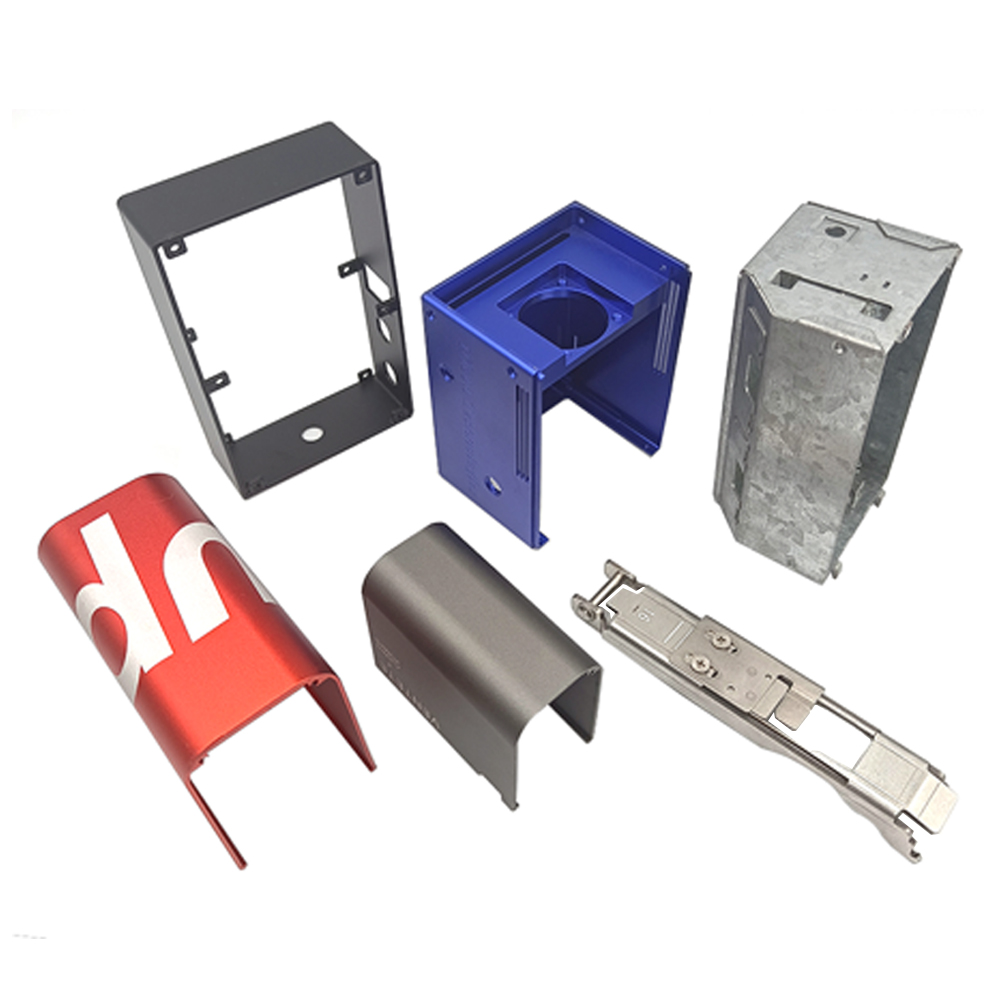
1. Defining Bending: The Basics
1.1 What Is Bending, Technically?
Bending is a material-forming process where force is applied to a solid material to permanently or temporarily alter its shape along a curved axis. Unlike cutting or drilling, which remove material, bending reshapes it by inducing plastic deformation (permanent change) or elastic deformation (temporary change, where the material returns to its original shape once force is removed). The goal is to create a specific curve, angle, or contour without breaking or compromising the material’s structural integrity.
At its core, bending works by stretching the outer layer of the material (the “tension side”) and compressing the inner layer (the “compression side”). The middle layer, called the neutral axis, experiences little to no stress—this is why thinner materials are easier to bend than thicker ones, as the neutral axis is closer to both surfaces.
1.2 Key Terms to Understand Bending
To grasp bending fully, it’s helpful to know a few essential terms:
-
Bend Radius: The radius of the curve created during bending. A smaller radius means a sharper bend, which can increase stress on the material.
-
Bend Angle: The angle between the two straight sections of the material after bending (e.g., a 90-degree bend for a metal bracket).
-
Springback: A common phenomenon where the material “springs back” slightly after the bending force is removed, especially in elastic deformation. Engineers account for springback by over-bending the material slightly.
-
Yield Strength: The maximum stress a material can withstand before it undergoes permanent deformation—critical for determining if a material can be bent without breaking.
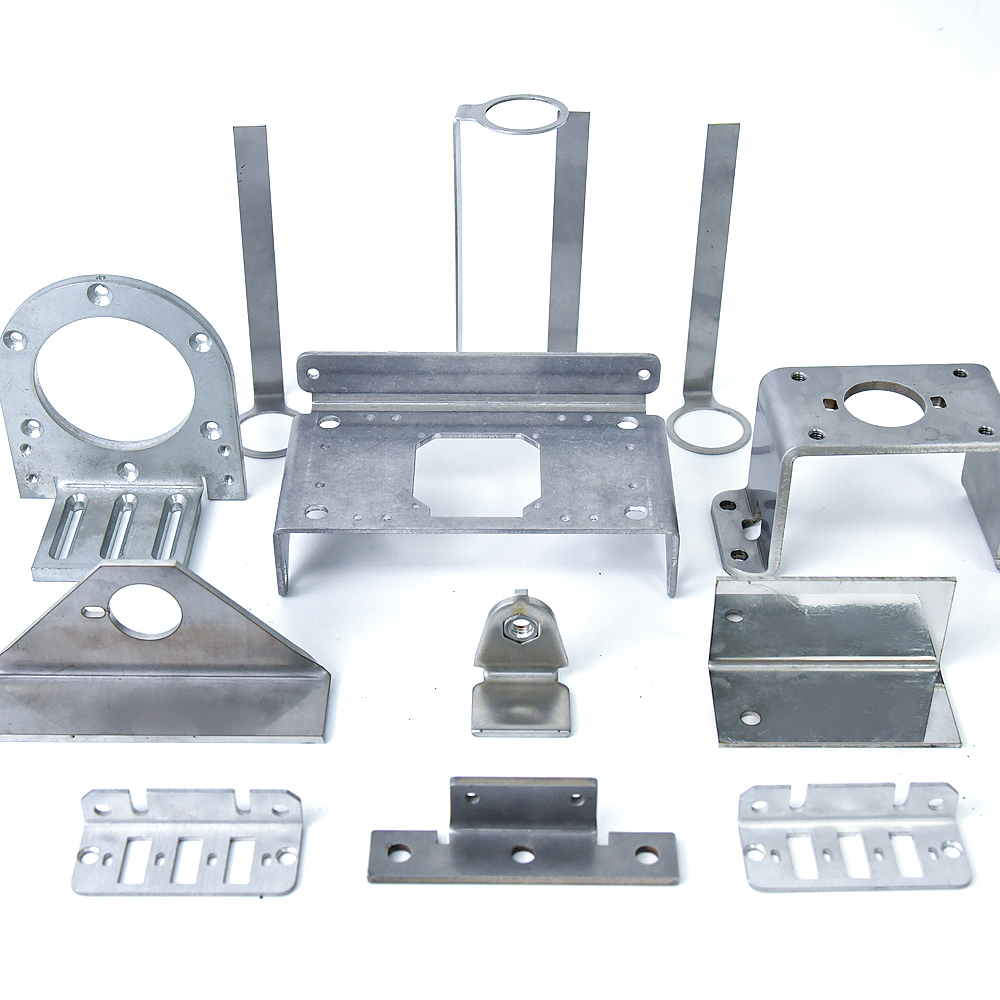
2. Types of Bending: Methods and Materials
2.1 Common Bending Methods
Bending techniques vary based on the material, desired shape, and application. Here are the most widely used methods:
-
Press Brake Bending: Used for sheet metal, this method uses a press brake (a machine with a punch and die) to clamp the material and bend it into shape. It’s ideal for precise, repeatable bends (e.g., in automotive parts or HVAC systems).
-
Roll Bending: For creating cylindrical or curved shapes (e.g., pipes, barrels), roll bending uses three or more rollers to gradually bend the material as it passes through. This method is common in metal fabrication and construction.
-
Hand Bending: A manual technique for thin or flexible materials (e.g., wire, thin sheet metal) using tools like pliers, bending bars, or form blocks. It’s often used in crafts, jewelry making, or small-scale projects.
-
Heat-Assisted Bending: For rigid materials like thick metal, glass, or wood, heat is applied to soften the material before bending, reducing the risk of cracking. This method is used in glassblowing, woodworking (e.g., curved furniture), and aerospace manufacturing.
2.2 Materials Suitable for Bending
Not all materials bend the same way—their flexibility, strength, and composition determine how well they respond to bending forces. Common bendable materials include:
-
Metals: Aluminum, steel, copper, and brass are highly bendable. Aluminum is lightweight and easy to bend, making it popular for DIY projects; steel is stronger and requires more force, used in structural components.
-
Plastics: Thermoplastics (e.g., PVC, acrylic, polyethylene) can be bent when heated, as they soften and reharden into the desired shape. Thermoset plastics, however, cannot be bent without breaking.
-
Wood: Thin wood veneers or steam-heated solid wood can be bent into curves (e.g., in chair backs or guitar bodies). Steam softens the wood fibers, allowing them to reshape without splitting.
-
Glass: Annealed glass (non-tempered) can be heat-bent into curved shapes for windows, mirrors, or decorative pieces. Tempered glass, due to its strength, is harder to bend and often breaks if forced.
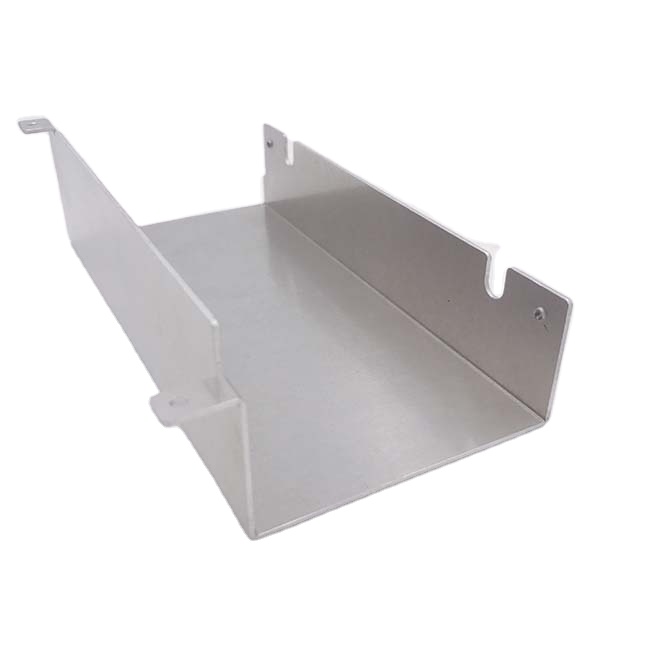
3. The Importance of Bending: Applications Across Industries
3.1 Industrial and Manufacturing Uses
Bending is a cornerstone of manufacturing, enabling the production of countless everyday and specialized products. In the automotive industry, it’s used to shape metal frames, exhaust pipes, and interior components. In construction, it creates curved steel beams for bridges, curved glass for skyscrapers, and PVC pipes for plumbing. Aerospace manufacturers rely on precision bending to create lightweight, aerodynamic parts for planes and spacecraft.
3.2 Crafts, Design, and Everyday Life
Beyond industrial use, bending is integral to art, crafts, and daily objects. Jewelry makers bend wire into necklaces, bracelets, and earrings; glassblowers shape molten glass into vases and sculptures. Even simple items like paperclips (bent wire), kitchen utensils (bent metal), and phone cases (bent plastic) rely on bending. In interior design, curved furniture, decorative metal accents, and custom glass pieces use bending to add visual interest and functionality.
3.3 Challenges and Considerations in Bending
While bending is versatile, it comes with challenges. Choosing the right bend radius and angle is critical—too sharp a bend can cause the material to crack or weaken. Springback must be accounted for to ensure the final shape matches the design. Additionally, some materials (e.g., brittle metals, tempered glass) are prone to breaking during bending, requiring careful handling or pre-treatment (like heating).
In short, bending is more than just shaping material—it’s a balance of science (understanding material properties and stress) and skill (applying the right force, method, and precision). From industrial giants to hobbyists, anyone shaping the world around them relies on this fundamental process.
How Do You Spell Bending? Let’s Clear Up the Confusion
Are You ISO 9001 or IATF 16949 Certified? What It Means for Your Business
Related Article

Fast sampling is the fastest way to win business in the hardware machining and plastic mold industries. Customers want a working sample in days, and a 3D printer delivers it, but only when you know how to print in 3d correctly.
how to print in 3d

Fast sampling is the fastest way to win business in the hardware machining and plastic mold industries. Customers often send an STL file and expect a working sample in days.
how to print an stl file

