
What is Aluminum Cast?
Author: SZTC
2025-03-31
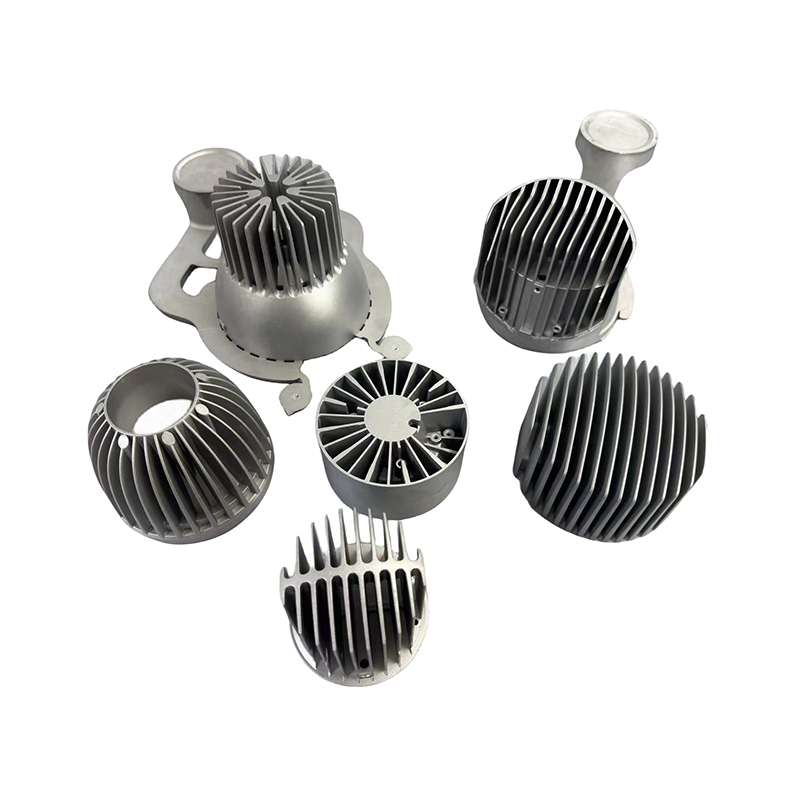
Aluminum casting has become an integral part of modern manufacturing processes, widely used across various industries. In this blog, we'll delve into what aluminum cast is, how it works, and its significance in today's industrial landscape.
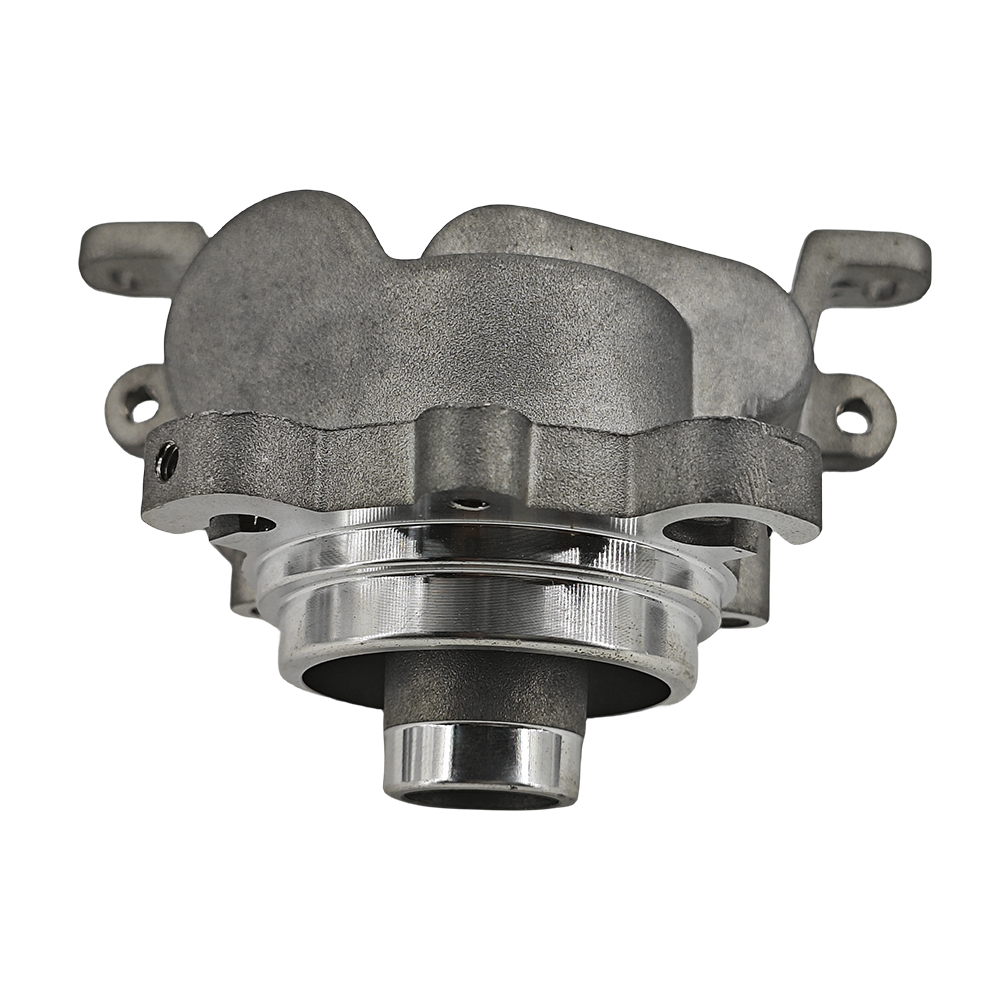
Understanding Aluminum Casting
Definition
Aluminum casting is a manufacturing process where molten aluminum is poured into a mold cavity. Once the aluminum cools and solidifies within the mold, it takes on the shape of the cavity. This process allows for the creation of complex and precise shapes with relative ease.

History
The history of aluminum casting dates back to the 19th century when the metal became more accessible. As technology advanced, casting methods improved, making it possible to produce high - quality aluminum castings for a growing number of applications. Initially, it was mainly used in the jewelry and decorative arts, but over time, it found its way into more industrial applications.
Molding
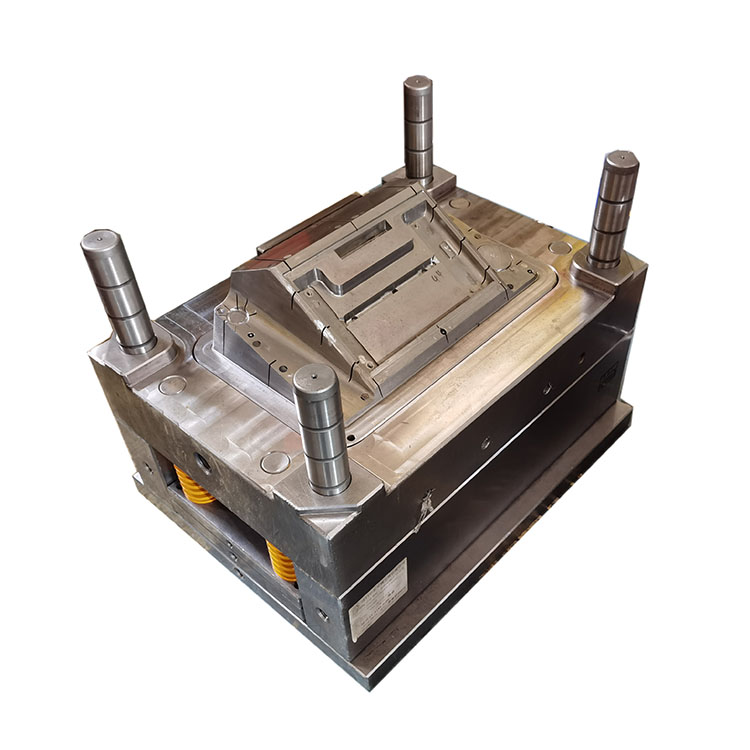
There are several types of molding methods used in aluminum casting. Sand molding is one of the most common. In this method, a pattern is used to create an impression in a sand mixture. The sand is then packed around the pattern, and when the pattern is removed, it leaves behind a cavity into which the molten aluminum will be poured. Another method is die - casting, where molten aluminum is forced under high pressure into a steel die. This results in high - precision castings with smooth surfaces and excellent dimensional accuracy.
Melting the Aluminum
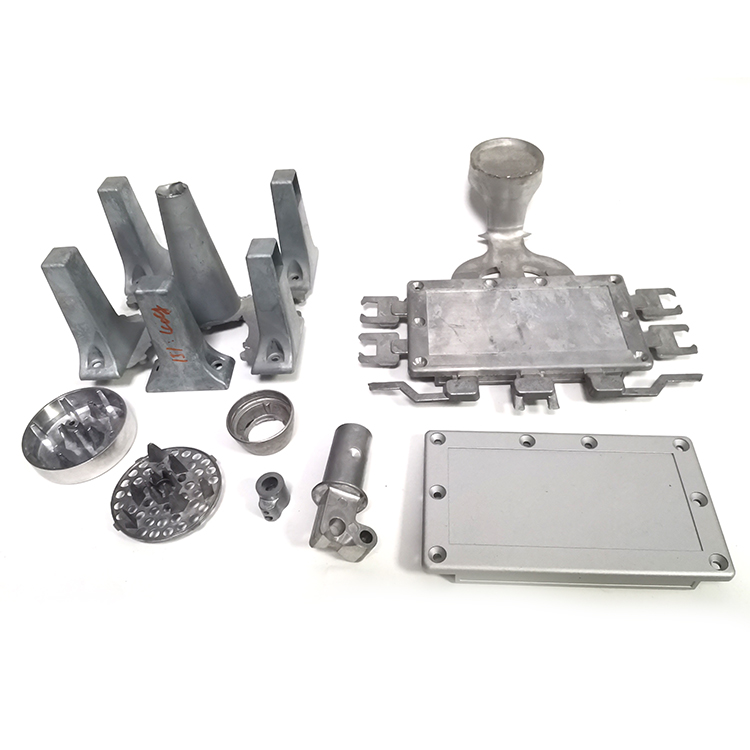
Aluminum is typically melted in a furnace. The purity of the aluminum can be adjusted by adding alloying elements such as copper, silicon, or magnesium. These alloying elements can enhance the properties of the final casting, such as increasing its strength, improving its corrosion resistance, or altering its heat - treating characteristics.
Pouring and Solidification
Once the aluminum is molten and at the right temperature, it is carefully poured into the prepared mold. The rate of pouring is crucial to ensure that the mold is filled completely without creating air bubbles or other defects. After pouring, the aluminum begins to cool and solidify. The cooling rate can affect the microstructure and mechanical properties of the casting. Controlled cooling is often used to achieve the desired properties.

Advantages of Aluminum Casting
Lightweight yet Strong
Aluminum is a lightweight metal, which makes it ideal for applications where weight reduction is important, such as in the automotive and aerospace industries. Despite its low density, aluminum castings can be made to have sufficient strength to withstand significant loads. This combination of lightness and strength is a major advantage over many other materials.
Good Corrosion Resistance
Aluminum forms a thin oxide layer on its surface when exposed to air. This oxide layer acts as a natural barrier, protecting the underlying metal from further corrosion. In many environments, aluminum castings can maintain their integrity over long periods without the need for extensive corrosion - protection measures.
Design Flexibility
The casting process allows for the creation of complex shapes that would be difficult or expensive to achieve with other manufacturing methods. Intricate details, internal cavities, and thin walls can all be incorporated into the design of an aluminum casting, giving engineers a great deal of design flexibility.
Applications of Aluminum Casting
Automotive Industry
In the automotive industry, aluminum castings are used for engine blocks, cylinder heads, transmission cases, and wheels. The lightweight nature of aluminum helps to improve fuel efficiency, while its strength ensures the durability of these critical components.
Aerospace Industry
Aerospace applications demand materials that are both lightweight and strong. Aluminum castings are used in aircraft structures, engine components, and landing gear parts. The corrosion resistance of aluminum is also an advantage in the harsh operating conditions of the aerospace environment.
Consumer Goods
Aluminum castings are found in a wide range of consumer goods, from cookware to electronic device housings. In cookware, aluminum's excellent heat - conductivity properties make it a popular choice. In electronics, the lightweight and corrosion - resistant nature of aluminum castings are beneficial for products like laptops and smartphones.
In conclusion, aluminum casting is a versatile and important manufacturing process. Its ability to produce complex, lightweight, and strong components makes it an essential part of many industries, and its applications are likely to continue to grow as technology advances.
How to Stamp Metal: A Comprehensive Guide
How to Design Parts for CNC Machining?
Related Article

Fast sampling is the fastest way to win business in the hardware machining and plastic mold industries. Customers want a working sample in days, and a 3D printer delivers it, but only when you know how to print in 3d correctly.
how to print in 3d

Fast sampling is the fastest way to win business in the hardware machining and plastic mold industries. Customers often send an STL file and expect a working sample in days.
how to print an stl file

