
What is a Sheet Metal Fabrication?
Author: SZTC
2025-05-12
Sheet metal fabrication plays a crucial role in modern manufacturing. Let’s explore its definition, processes, applications, and advantages to understand this technology comprehensively.
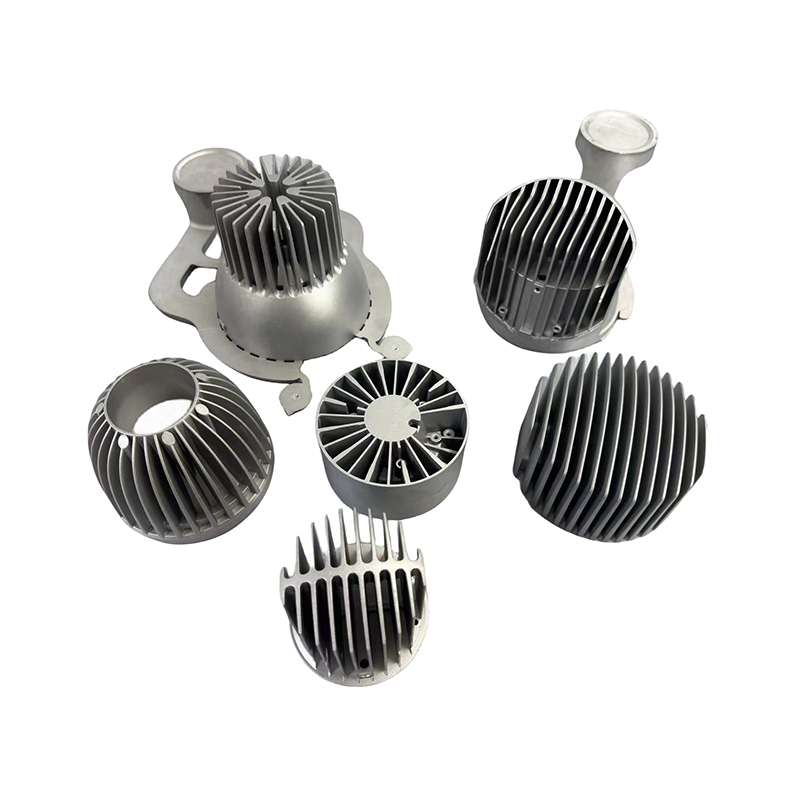
I. Definition of Sheet Metal Fabrication: The Art of Metalworking
Sheet metal fabrication refers to the manufacturing technology that transforms thin metal sheets into specific-shaped and functional parts through a series of processes. Common materials used include stainless steel, aluminum, copper, typically with a thickness of 6mm or less. The essence of this technology lies in altering the shape and structure of metal sheets without significant material removal, catering to diverse needs across various industries. As a significant branch of metal processing, it integrates material science, engineering mechanics, and manufacturing techniques, endowing flat metal sheets with three-dimensional forms and practical functions.
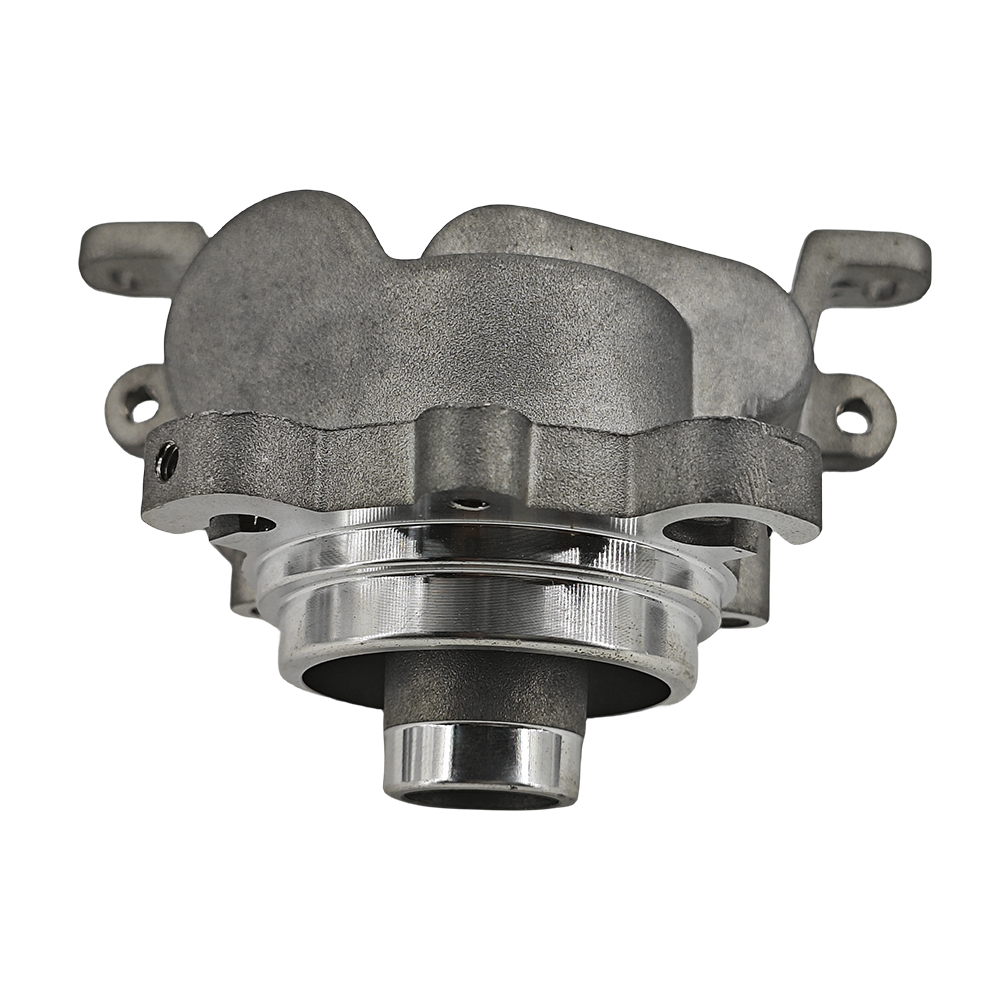
II. Processes of Sheet Metal Fabrication: From Sheets to Finished Products
(1) Design and Planning
Before fabrication, engineers utilize Computer-Aided Design (CAD) software to create accurate 2D or 3D models based on product requirements. These designs must consider both functionality and manufacturability to ensure smooth subsequent processing. Additionally, Computer-Aided Engineering (CAE) analysis is employed to simulate potential issues during processing, optimizing the design in advance.
(2) Cutting and Blanking
Cutting and blanking involve trimming metal sheets into desired shapes and sizes. Common methods include laser cutting, plasma cutting, and CNC punching. Laser cutting uses high-energy laser beams to melt or vaporize metal, offering high precision and smooth cut edges. Plasma cutting suits thicker metal sheets with faster cutting speeds, while CNC punching can efficiently produce complex-shaped parts using molds.
(3) Forming and Machining
Forming is a key step, mainly including bending, stretching, and stamping processes. Bending uses a bending machine to shape metal sheets at specific angles. Stretching transforms flat sheets into 3D forms through molds, and stamping creates complex parts with presses and dies. Welding, riveting, and other joining techniques may also be applied to assemble multiple parts into a complete component.
(4) Surface Treatment
Surface treatment is essential to enhance the corrosion resistance, aesthetics, and functionality of sheet metal parts. Common treatments include painting, electroplating, and anodizing. Painting provides various colors and textures, electroplating improves wear and corrosion resistance, and anodizing, suitable for aluminum and its alloys, forms a dense oxide film, enhancing hardness and weather resistance.

III. Applications of Sheet Metal Fabrication: The Pillar of Industries
(1) Automotive Manufacturing
In the automotive industry, sheet metal fabrication is widely used for manufacturing body frames, doors, hoods, etc. Precise fabrication techniques create high-strength and lightweight structures, improving vehicle safety and fuel efficiency. It also contributes to producing interior components like dashboards and center consoles.
(2) Electronics Industry
For electronic devices such as computer cases, server cabinets, and mobile phone casings, sheet metal fabrication realizes structural designs. It provides excellent electromagnetic shielding, protecting electronic components from interference. The precision of fabrication ensures dimensional accuracy and assembly precision, meeting the trend of miniaturization and thinning in electronics.
(3) Construction and Decoration
In construction, sheet metal fabrication is applied to produce ventilation ducts, curtain wall panels, and metal roofs. The strength and durability of metal make it an ideal choice for building structures, while the flexibility of fabrication meets complex architectural design requirements. In interior decoration, fabricated metal artworks and furniture add a modern and artistic touch to spaces.

IV. Advantages of Sheet Metal Fabrication: The Blend of Efficiency and Flexibility
(1) High Precision and Consistency
With advanced CNC equipment and precision molds, sheet metal fabrication achieves high dimensional accuracy and consistent quality. Whether simple flat parts or complex 3D structures, mass-produced components maintain the same quality standards, satisfying the strict precision requirements of modern industries.
(2) Cost-Effectiveness
Sheet metal fabrication optimizes raw material utilization through efficient nesting and process selection, reducing waste. Its relatively simple processes and short production cycles enable quick responses to market demands, cutting costs. The recyclability of sheet metal parts also aligns with environmental protection goals, enhancing economic benefits.
(3) Design Flexibility
Sheet metal fabrication isn't restricted by part shapes or sizes, allowing for complex designs. Engineers can flexibly adjust designs, quickly producing prototypes for testing and validation. This flexibility gives sheet metal fabrication unique advantages in new product development and customized manufacturing.
This blog provides a thorough introduction to sheet metal fabrication. If you want to expand on certain sections or change the content focus, feel free to let me know.
What is Fabricating Metal?
How to Fabricate Metal?
Related Article

Fast sampling is the fastest way to win business in the hardware machining and plastic mold industries. Customers want a working sample in days, and a 3D printer delivers it, but only when you know how to print in 3d correctly.
how to print in 3d

Fast sampling is the fastest way to win business in the hardware machining and plastic mold industries. Customers often send an STL file and expect a working sample in days.
how to print an stl file

