
what is a die cast?
Author: SZTC
2025-03-13
If you've ever wondered how those intricate metal parts in your car, toys, or electronics are made with such precision and detail, the answer might very well lie in the process of die casting. Die casting is a manufacturing process that has been around for quite some time and plays a crucial role in various industries.
The Basics of Die Casting
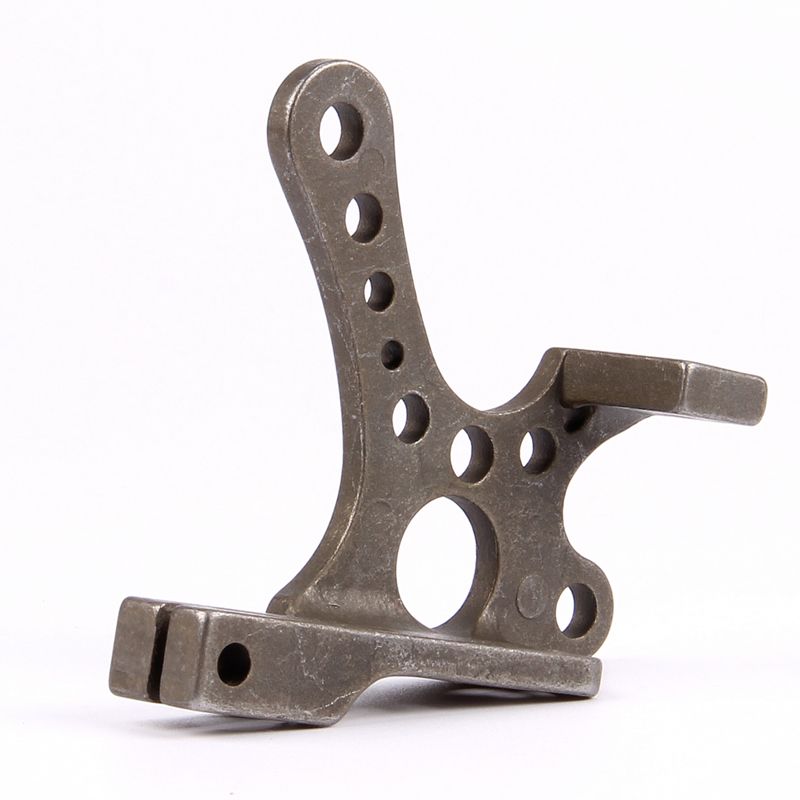
At its core, die casting is a method of metal casting where molten metal is forced under high pressure into a mold cavity. This mold, known as a die, is typically made of two halves that are carefully machined to create the desired shape of the final product. The die is designed to be extremely durable as it has to withstand the high pressure and temperature of the molten metal during the casting process.
The Process in Detail
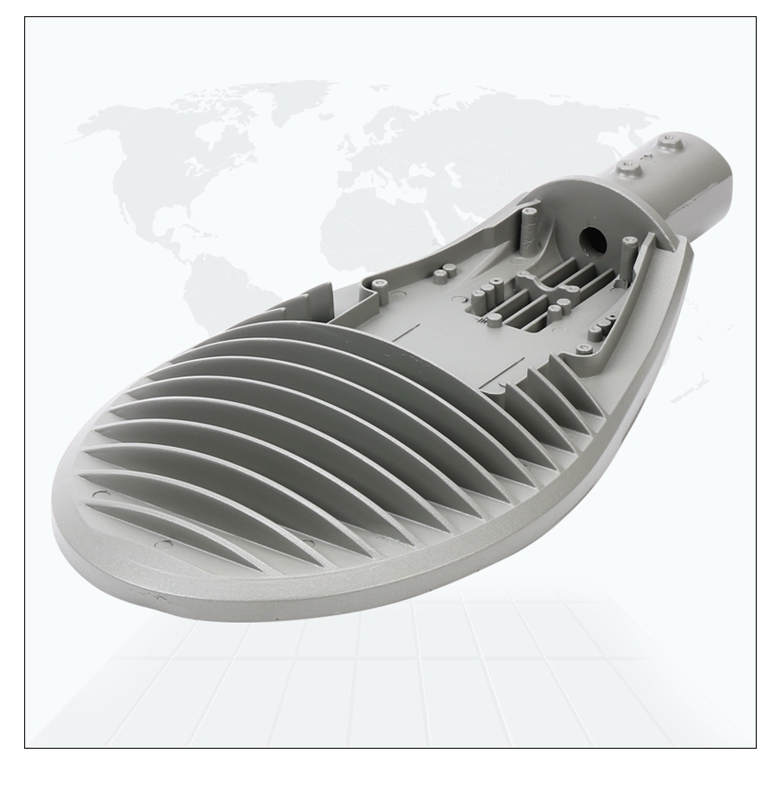
- Die Preparation: First, the die is prepared. This involves cleaning it thoroughly and applying a release agent. The release agent helps the cast part to be easily removed from the die after the casting process is complete.
- Melting the Metal: The metal to be cast, such as aluminum, zinc, or magnesium, is melted in a furnace. These metals are popular choices for die casting due to their relatively low melting points and good casting properties.
- Injecting the Molten Metal: Once the metal is molten, it is injected into the die cavity using a high - pressure injection system. The pressure can range from a few hundred to several thousand pounds per square inch, depending on the type of metal and the complexity of the part. This high pressure ensures that the molten metal fills every nook and cranny of the die cavity, creating a part with excellent dimensional accuracy and surface finish.
- Cooling and Solidification: After the die cavity is filled, the molten metal is allowed to cool and solidify. This is a crucial step as the cooling rate can affect the mechanical properties of the final part. In some cases, cooling channels within the die are used to control the cooling process and ensure uniform solidification.
- Ejecting the Part: Once the metal has solidified, the two halves of the die are opened, and the cast part is ejected. Any excess material, such as sprues and runners, is removed from the part, and it may then undergo further finishing processes like trimming, polishing, or plating.
Applications of Die Casting
Die casting is widely used in many industries. In the automotive industry, it is used to make engine blocks, transmission housings, and various other components. The ability to produce parts with high strength - to - weight ratios makes die - cast aluminum parts particularly suitable for automotive applications, as they help reduce vehicle weight and improve fuel efficiency.
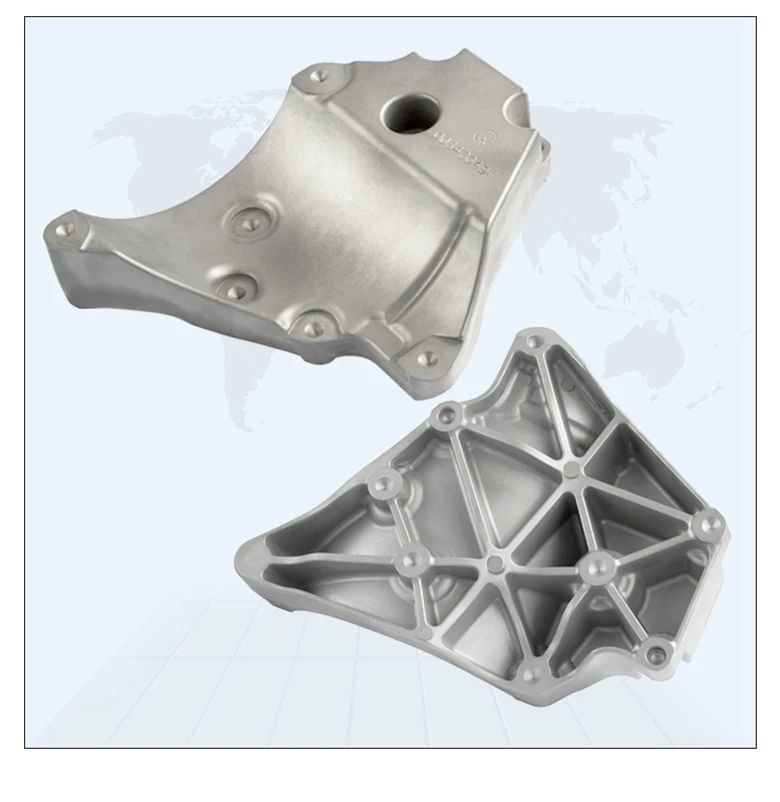
In the consumer goods industry, die casting is used to create parts for toys, electronics, and household appliances. For example, the cases of many electronic devices like smartphones and laptops are made using die - casting techniques to provide a durable and aesthetically pleasing enclosure.
In the aerospace industry, die - cast parts are used for components where high strength and dimensional accuracy are required, such as aircraft engine components and structural parts.
In conclusion, die casting is a versatile and efficient manufacturing process that allows for the production of complex metal parts with high precision and repeatability. Its applications span across multiple industries, making it an essential part of modern manufacturing.
what is diecast metal?
How to easily use Deepseek!
Related Article

Fast sampling is the fastest way to win business in the hardware machining and plastic mold industries. Customers want a working sample in days, and a 3D printer delivers it, but only when you know how to print in 3d correctly.
how to print in 3d

Fast sampling is the fastest way to win business in the hardware machining and plastic mold industries. Customers often send an STL file and expect a working sample in days.
how to print an stl file

