
What Is a 3D Printer Used for? A Guide for Hardware & Plastic Mold Fast Sampling
Author: SZTC
2026-04-09


Samuel Song Your service representative
Specializing in zinc-aluminum-magnesium alloy die-casting processing, CNC milling, CNC turning, 3D printing, injection molding and sheet metal processing. Manufacturing services.
-----------------------------------------------------------------------------------------------------------------------------------------------------------------------------------------------------------------------------------------------------------------------------------------------------------------------------------------------
In the competitive landscape of hardware processing and plastic mold manufacturing, fast sampling is the key to accelerating product development, winning client orders, and staying ahead of the curve. For industry professionals exploring additive technology, one question stands out: what is a 3D printer used for—especially when it comes to creating the high-precision, functional samples both industries rely on?
Many manufacturers limit their understanding of 3D printers to hobbyist projects, but industrial 3D printers are powerful tools tailored to manufacturing needs. This blog will answer what is a 3D printer used for by breaking down its core applications, industry-specific uses, and practical value—all tied to the fast sampling requirements of hardware and plastic mold industries. By the end, you’ll have a clear understanding of how 3D printers transform digital designs into tangible metal and plastic samples in hours, not weeks, and why they’re indispensable for modern manufacturing.

1. What Is a 3D Printer Used for? (Core Industrial Applications)
To answer what is a 3D printer used for in industrial settings, we first move beyond consumer-grade uses (e.g., decorative models) to focus on its role as a manufacturing tool. At its core, a 3D printer is used to create physical objects layer by layer from a 3D CAD model, using industrial-grade materials to produce functional, high-precision parts. For hardware and plastic mold industries, this translates to solving the biggest pain points of traditional sampling: long lead times, high tooling costs, and limited design flexibility.
In short, what is a 3D printer used for in these industries? It’s used to accelerate fast sampling, validate designs, reduce risk, and streamline workflows—all while maintaining the industrial quality required for hardware components and plastic molds. Its versatility means it adapts to both metal and plastic applications, making it a cross-industry solution.
1.1 Key Industrial Uses of 3D Printers (Beyond Basic Prototyping)
To fully grasp what is a 3D printer used for, it’s important to move past the myth that it’s only for "prototyping." Industrial 3D printers serve three core purposes that align with fast sampling and manufacturing needs:
-
Functional Prototyping: Creating testable, industry-ready samples that mimic the strength, precision, and material properties of mass-produced parts—critical for validating designs before full-scale production.
-
Trial Tooling & Fixtures: Producing temporary or low-volume tooling, jigs, and fixtures to support sampling and small-batch production, eliminating the need for expensive custom tooling.
-
Complex Component Manufacturing: Building parts with intricate geometries (e.g., internal channels, lattice structures) that traditional machining or mold-making cannot achieve—unlocking new design possibilities for hardware and molds.
1.2 Why 3D Printer Uses Matter for Fast Sampling
Now that we’ve outlined the core uses, it’s clear why what is a 3D printer used for matters for your industry: traditional sampling methods (CNC machining for hardware, steel mold opening for plastics) take weeks and cost thousands. 3D printers cut this time to hours, eliminate tooling costs, and allow for rapid design iterations—ensuring you can deliver samples faster, reduce risk, and outcompete rivals. Their ability to produce functional parts quickly is what makes them a game-changer for fast sampling.

2. What Is a 3D Printer Used for in the Hardware Processing Industry?
For hardware manufacturers, what is a 3D printer used for boils down to solving the unique challenges of metal sampling and component production. 3D printers are used to create metal parts that are functional, precise, and ready for testing—all in a fraction of the time of traditional methods. Below are the key uses tailored to hardware fast sampling and production.
2.1 3D Printers for Fast Metal Prototype Sampling
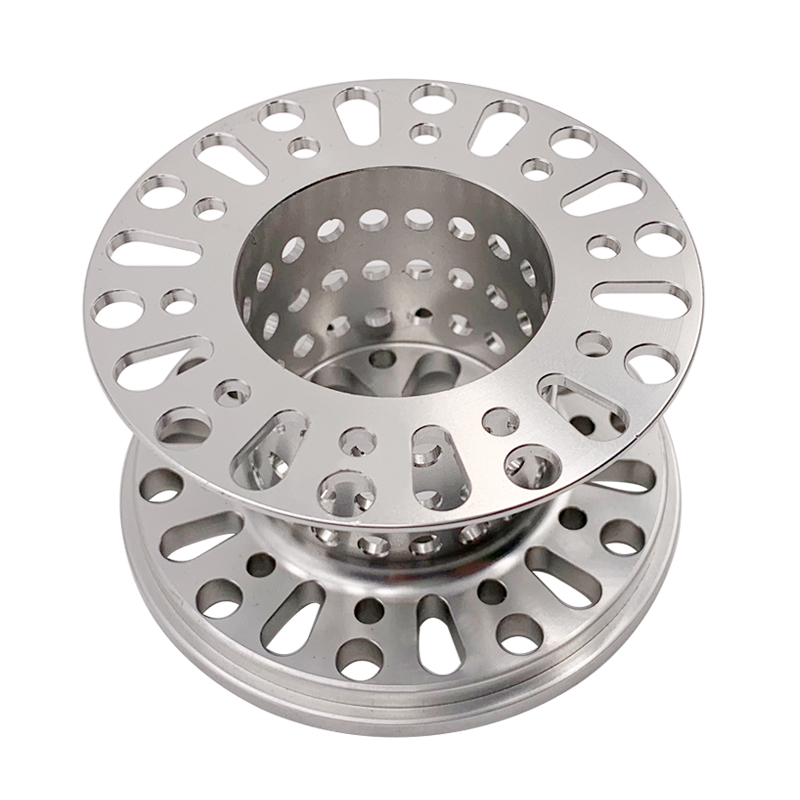
The most common and critical use of 3D printers in hardware processing is fast metal prototype sampling—a core part of answering what is a 3D printer used for in this industry. Hardware manufacturers use metal 3D printers (e.g., SLM/DMLS technology) to produce prototypes of brackets, fasteners, mold steel components, and custom hardware parts.
These 3D-printed metal samples are not just visual models; they are made from industrial-grade metals (17-4PH stainless steel, AlSi10Mg aluminum, H13 mold steel) and heat-treated to match the strength of mass-produced hardware. For example, a 3D printer can produce a metal bracket prototype in 8–12 hours, allowing engineers to test its load-bearing capacity, fit, and durability immediately—vs. 3–15 days with CNC machining. This accelerates design iteration and ensures fast sampling timelines.
2.2 3D Printers for Complex Hardware Component Production
Another key answer to what is a 3D printer used for in hardware is the production of complex components that traditional CNC machining cannot achieve. 3D printers’ layer-by-layer approach eliminates the constraints of tooling, allowing manufacturers to create parts with internal channels, hollow lattice structures, or special-shaped geometries—all in one piece.
For instance, 3D printers are used to create lightweight metal components with internal lattice structures (30% lighter while maintaining strength) for aerospace or automotive hardware. They are also used for custom hardware parts (one-off or small-batch) for niche industries, where traditional machining would be cost-prohibitive. This design freedom unlocks innovation and expands the range of hardware products that can be sampled and produced.
2.3 3D Printers for Custom Tooling & Fixtures
What is a 3D printer used for in auxiliary hardware production? It’s used to create custom jigs, fixtures, and tool holders—critical for supporting fast sampling and assembly. These tooling components are 3D-printed in 4–12 hours using engineering plastics, at a fraction of the cost of traditional tooling.
For example, a hardware manufacturer can use a 3D printer to produce a custom jig to hold a metal part during CNC machining, ensuring precision and reducing human error. These 3D-printed fixtures can be easily modified or replaced, making them perfect for small-batch or custom hardware production scenarios—saving time and money while improving workflow efficiency.
3. What Is a 3D Printer Used for in the Plastic Mold Industry?
In the plastic mold industry, where mold development is high-risk, time-consuming, and costly, what is a 3D printer used for is a revolution in fast sampling and risk reduction. 3D printers are used to create trial molds, mold components, and plastic prototypes—all designed to validate designs before investing in expensive steel molds. Below are the key uses tailored to plastic mold fast sampling.
3.1 3D Printers for Rapid Trial Molds & Mold Inserts
The most impactful use of 3D printers in the plastic mold industry is rapid trial mold and mold insert production—a key part of answering what is a 3D printer used for here. Traditional steel mold opening takes 2–4 weeks and costs tens of thousands of dollars; if design flaws are found, rework is costly and time-consuming. 3D printers solve this by producing trial molds, cores, and cavity inserts in 4–12 hours.
Using high-temperature resistant resins (e.g., Rigid 10K Resin) or engineering plastics (e.g., glass-filled nylon), 3D-printed trial molds are durable enough for 50–100 injection molding test cycles—allowing designers to verify draft angles, part release, and cooling efficiency before investing in formal steel molds. As noted in industry practices, 3D-printed molds fill the gap between soft tool molds and basic prototypes, reducing development time by 50% or more and eliminating costly rework risks.
3.2 3D Printers for Complex Mold Structures
3D printers also redefine what is a 3D printer used for in mold design by enabling the production of complex, high-efficiency mold structures that traditional machining cannot create. The most notable example is conformal cooling channels—internal channels that follow the shape of the mold cavity, reducing injection molding cycles by 20–40% and improving product surface quality.
These channels are 3D-printed layer by layer, in one piece—no assembly required—something impossible with traditional machining. Additionally, 3D printers are used to produce undercut mold components and integrated mold assemblies, opening up new design possibilities for high-precision plastic molds. This not only improves mold performance but also accelerates the sampling process by ensuring molds are optimized from the start.
3.3 3D Printers for Fast Plastic Product Prototypes
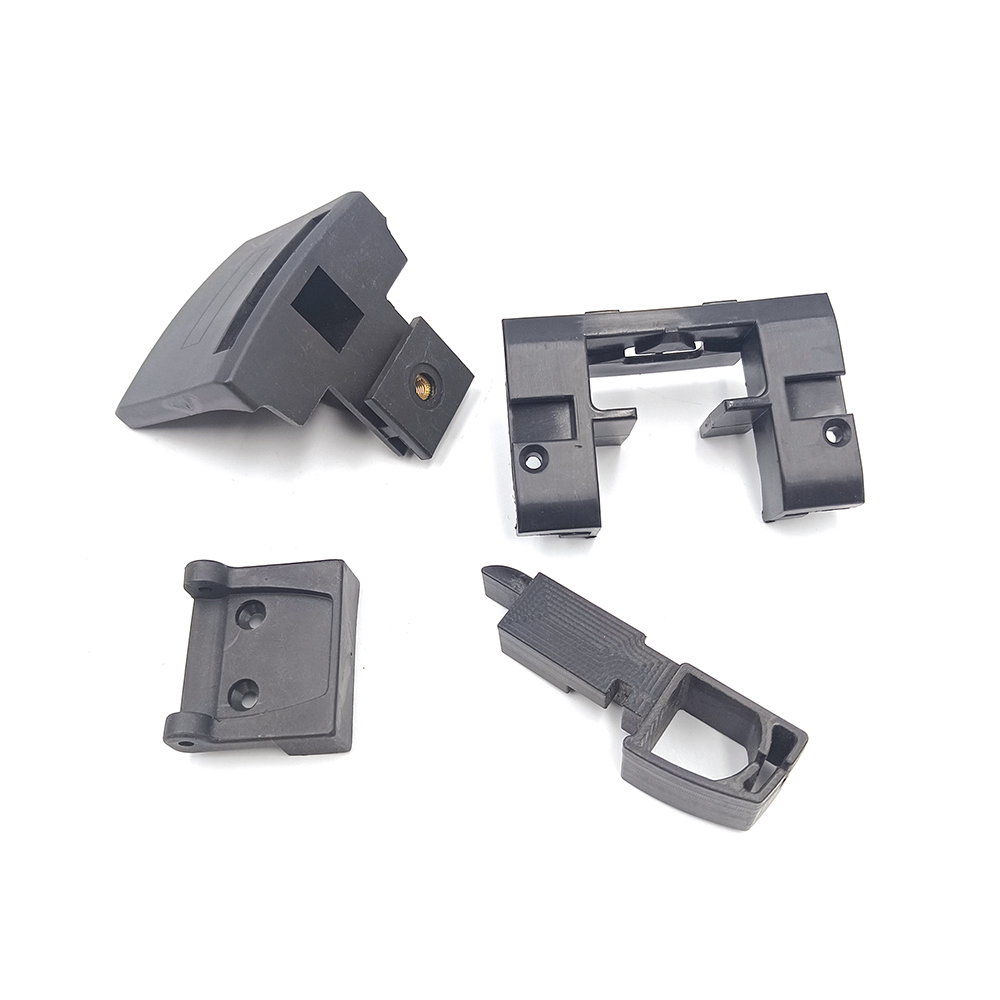
Finally, what is a 3D printer used for in the plastic mold industry includes the fast production of plastic product prototypes. 3D printers are used to create samples of the final plastic product (e.g., consumer electronics casings, automotive parts) that match the appearance and basic performance of the end product, using resin or engineering plastics (ABS, PC, PP).
As seen in industry case studies, 3D-printed prototypes allow manufacturers to present finished-product examples to clients ahead of mold production, accelerating design approval and closing deals faster. These prototypes reduce miscommunication and speed up the client approval process by weeks, aligning with the core goal of fast sampling and helping mold manufacturers win client trust.
4. What Is a 3D Printer Used for Beyond Fast Sampling? (Long-Term Value)
While fast sampling is the primary use for 3D printers in hardware and plastic mold industries, understanding what is a 3D printer used for also includes its long-term value. These tools offer additional benefits that extend beyond prototyping, making them a long-term investment for manufacturers.
4.1 Small-Batch Production Support
3D printers are used for small-batch production (1–100 parts) of hardware components and plastic molds, eliminating the need for expensive tooling. This is ideal for niche markets, custom orders, or pre-production runs—allowing manufacturers to meet small-volume demands without the cost of traditional mass production.
4.2 Digital Inventory & Legacy Part Production
Another key use is digital inventory management: 3D printers allow manufacturers to store digital CAD files of molds, tooling, and components instead of physical inventory. When a part is needed (e.g., a legacy mold for spare parts), it can be 3D-printed on demand—reducing storage costs and ensuring access to hard-to-find components.
4.3 Cost & Waste Reduction
3D printers use only the material needed to build a part, reducing waste (material utilization up to 95%) compared to traditional subtractive methods (which waste 30–50% of material). This not only lowers material costs but also aligns with global ESG standards, making 3D printers a sustainable choice for manufacturers.

5. Key Takeaways: What Is a 3D Printer Used for in Your Industry
To recap, what is a 3D printer used for in hardware processing and plastic mold industries? It’s a versatile industrial tool used to: create fast, functional metal and plastic samples for sampling; produce trial molds and complex components that traditional methods cannot achieve; and support small-batch production, digital inventory, and cost reduction.
5.1 Why This Matters for Your Business
By understanding what is a 3D printer used for, you can streamline your fast sampling process, reduce costs, and deliver high-quality samples faster than ever before. 3D printers eliminate tooling barriers, accelerate design iteration, and reduce risk—critical for staying competitive in a fast-paced industry.
5.2 Tips for Maximizing 3D Printer Uses
To get the most out of your 3D printer, focus on its core uses: prioritize functional prototyping for fast sampling, use industrial-grade materials for durability, and leverage its ability to create complex components. Avoid consumer-grade materials or neglecting post-processing, as these mistakes will undermine the quality of your samples.
Final Recap: This blog answered what is a 3D printer used for specifically for hardware processing and plastic mold fast sampling. Industrial 3D printers are not just hobby tools—they are critical manufacturing solutions used to create fast, functional samples, trial molds, complex components, and custom tooling. For hardware, they deliver metal prototypes in hours; for plastic molds, they reduce mold development risk and speed up client approval. By leveraging their full range of uses, you can transform your sampling workflow, meet client deadlines, and stay ahead in a competitive manufacturing landscape.
What Is Used for 3D Printing? A Guide for Hardware & Plastic Mold Fast Sampling
What Is 3D Printing & How Does It Work? A Guide for Hardware & Plastic Mold Fast Sampling
Related Article

Fast sampling is the fastest way to win business in the hardware machining and plastic mold industries. Customers want a working sample in days, and a 3D printer delivers it, but only when you know how to print in 3d correctly.
how to print in 3d

Fast sampling is the fastest way to win business in the hardware machining and plastic mold industries. Customers often send an STL file and expect a working sample in days.
how to print an stl file

